
Plants
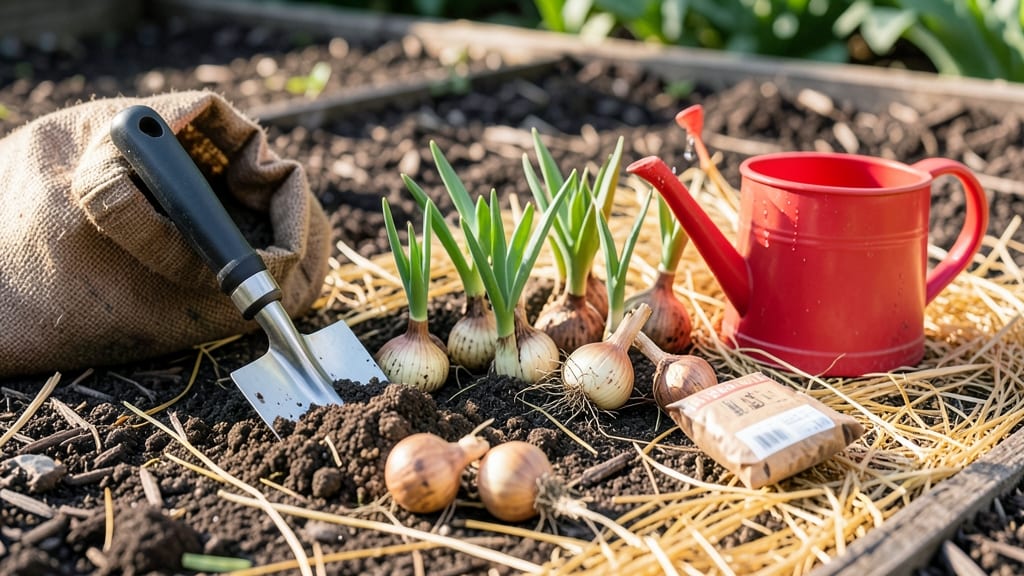
To plant bulbs in Northern California for spring blooms, aim for late fall—between October and December—when soil temps dip below 60°F but before hard frost sets in.
Northern California’s diverse microclimates—from coastal fog to inland valleys—mean your tulips, daffodils, and hyacinths could bloom or rot if planted at the wrong time. Get the exact months for your zone (and avoid costly mistakes).
Coastal areas like San Francisco can plant as early as September, while inland spots near Sacramento wait until November to avoid soggy soil. The key? Time it so bulbs root before winter rains soak the ground.
Below, I break down the perfect planting window for your microclimate, bulb-specific tips, and how to prep soil for best blooms—no guesswork, just results.
Northern California bulb planting calendar by microclimate zone
Northern California’s microclimates create a puzzle for bulb lovers—what thrives in coastal San Francisco might fail in Sacramento’s heat. The key? Timing based on your last frost date and soil temperature. Plant too early, and tender bulbs like dahlias rot; too late, and tulips won’t bloom until summer.
Let’s break it down by zone so your garden bursts with color at the right time.
Most spring-blooming bulbs (tulips, daffodils, hyacinths) need 6-8 weeks in the ground before winter’s chill triggers blooms. Cold-hardy bulbs like snowdrops or Allium can handle early planting, while tender bulbs (cannas, dahlias) need to wait until soil temps drop below 60°F.
Below, I’ve mapped out your planting windows by zone—plus how to adjust for unpredictable frost or urban heat islands.
🌱 Pro Tip: Test your soil’s readiness with a thermometer. Ideal temps for planting are 40–50°F. Coastal areas hit this by mid-October, while inland zones may wait until November.
For coastal zones, start planting tulips and daffodils as early as October 1—the ocean’s chill keeps soil cool longer.
In Sacramento’s heat, wait until November 1 to avoid premature sprouting (a death sentence for bulbs). Sierra foothills gardeners can plant earlier (late September) because cooler nights protect tender roots.
If you’re unsure about frost dates, use mulch (straw or leaves) to insulate bulbs. For urban heat islands (like downtown Sacramento), plant shade-loving bulbs (e.g., woodland phlox) near structures to reduce heat stress. And always water deeply after planting—drought stress weakens bulbs before winter.
🌿 Key Adjustments: If your area had an early frost (like the 2021 freeze that hit Bay Area gardens), delay planting by 2–4 weeks. Conversely, if your winter was mild, you can push planting to early December for a later bloom. Monitor local weather forecasts—sometimes 10°F swings change everything.
Don’t overlook summer-blooming bulbs like dahlias or gladiolas. These need to wait until after your last frost (typically April–May in most zones) and thrive in warm soil. Plant them too early, and they’ll rot—a common mistake in cooler inland valleys.
For container gardening, use well-draining mixes and plant bulbs <
5 Signs you’re planting bulbs too early (or late) in Northern California
Northern California’s unpredictable weather—from coastal fog to inland heat islands—makes timing critical for bulb success. Plant too early, and your tulips may rot in soggy soil. Plant too late, and they’ll miss the fall chill needed to bloom. Here’s how to spot the warning signs in your garden.
First, check your local frost dates. In Sacramento Valley, the ground freezes by December 1, while Lake Tahoe areas can see frost as early as November 15. If you’re planting outside these windows, your bulbs may struggle to establish roots before winter sets in.
- 🌱 Soggy Soil: Bulbs planted in wet soil (common in coastal zones) risk rot. Press your finger into the soil—if it feels damp more than 2 inches down, wait 1-2 weeks.
- 🐭 Rodent Digging: Mice and voles love fresh bulbs. If you spot newly unearthed or gnawed bulbs, you planted too early when pests are active.
- 🌿 Stunted Growth: Shoots emerging in winter but dying back by spring? Your bulbs didn’t get enough chill hours (300–600°F below 40°F). Try planting 2–4 weeks later.
- 🍂 Yellowing Foliage: Leaves turning yellow before blooming signals stress from late planting or poor drainage. Amend soil with compost and mulch.
- 🌡️ No Blooms: If bulbs sprout but fail to flower, they may have been planted too deep or lacked winter chill. Adjust depth (6–8” for most bulbs) and monitor temps.
For high-elevation gardens like those near Lake Tahoe, aim to plant by October 15 to avoid early frosts. In urban heat islands (e.g., Sacramento), you can extend planting until December 1, but cover bulbs with straw mulch to protect from temperature swings.
If you’ve already planted and notice moldy bulbs or slow sprouting, don’t panic. Dig up affected bulbs, let them dry in shade for 24 hours, and replant in well-draining soil. For next year, use bulb cages or rodent repellent to prevent losses.
Pro tip: Test your soil’s moisture retention with a simple DIY trick. Fill a jar with soil, add water, and check drainage. If water pools at the bottom, your soil is too dense—mix in perlite or sand before replanting.