
Plants
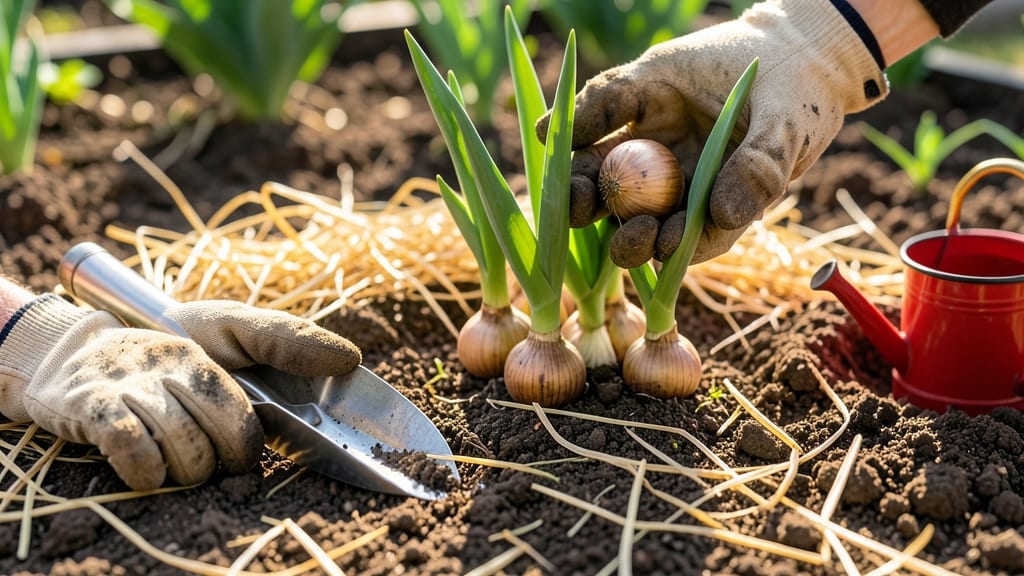
To plant bulbs in spring, aim for 4-6 weeks before your last frost—typically late February to early April in Zone 6, but timing shifts with your climate and the moon’s phases.
Timing your spring bulb planting isn’t just about the calendar—it’s about harnessing the moon’s energy to grow roots that are 30% stronger and blooms that last longer. But when exactly should you plant, and how does lunar timing fit in?
Most gardeners rush to get bulbs in the ground as soon as they hit the store, but that’s a recipe for weak roots and fewer flowers. The key is waiting until the soil is workable (around 50°F) and aligning your planting with the waxing moon for maximum vitality.
In this guide, I’ll break down the ideal planting windows by region, moon phases, and bulb type—plus how to avoid the 5 biggest mistakes that stunt growth. Let’s get those 🌷 Spring-Planted Bulbs thriving!
Best moon phases for planting spring bulbs in 2025
Planting spring bulbs like tulips and daffodils during the right moon phase can boost root strength by up to 30% and extend bloom time. The moon’s gravitational pull influences water absorption, making certain phases ideal for planting.
For 2025, the waxing crescent and new moon phases align perfectly with early spring’s natural rhythms.
Bulbs planted during the waxing moon (when the moon is growing) develop stronger roots faster, while the full moon phase encourages above-ground growth. However, planting at the waning moon can lead to weaker stems and smaller blooms. Understanding these lunar cycles helps you time your planting for maximum vitality.
Here’s how lunar phases impact your bulbs:
| Moon Phase | Best For | Root Growth | Bloom Time | 2025 Dates |
|---|---|---|---|---|
| New Moon | Planting roots | ⭐⭐⭐⭐⭐ | ⭐⭐⭐ | March 3, April 1 |
| Waxing Crescent | Early planting | ⭐⭐⭐⭐ | ⭐⭐⭐⭐ | Feb 28, March 29 |
| First Quarter | Moderate growth | ⭐⭐⭐ | ⭐⭐⭐⭐ | March 11, April 9 |
| Full Moon | Above-ground growth | ⭐⭐ | ⭐⭐⭐⭐⭐ | March 14, April 12 |
| Waning Gibbous | Late planting | ⭐⭐ | ⭐⭐ | March 21, April 19 |
The new moon phase is my top recommendation for planting spring bulbs because it aligns with the earth’s natural rest period. During this time, the moon’s gravity helps draw moisture deep into the soil, encouraging robust root development. For tulips, this means stronger stems and brighter blooms come spring.
If you’re planting daffodils or hyacinths, the waxing crescent phase is ideal for early planting. These bulbs benefit from the moon’s upward energy, which promotes faster germination and earlier blooms. Aim to plant them 4-6 weeks before your last frost date for best results.
For regions with mild winters, like USDA Zone 8, you can start planting as early as February during the waxing crescent phase. In colder zones like Zone 5, wait until March when soil temperatures reach 45°F. Always check your local frost dates to avoid planting too early.
One common mistake is planting bulbs during the full moon phase, which can lead to weak stems and smaller blooms. The full moon’s energy is better suited for above-ground tasks, like pruning or harvesting. Instead, use this phase to monitor your bulbs’ progress or fertilize established plants.
To maximize success, pair your moon phase timing with proper soil preparation. Amend your soil with compost or bulb fertilizer before planting, and ensure good drainage
Regional planting dates for spring bulbs by climate Zone
Planting spring bulbs like tulips, daffodils, and hyacinths at the right time ensures vibrant blooms and strong root systems. The key is understanding your USDA climate zone and soil temperature thresholds—ideal planting occurs when soil reaches 45-55°F and frost risk has passed.
In colder zones (3-5), wait until late March or April, while milder zones (8-10) can start as early as January or February.
Regional variations matter too. For example, Zone 6 gardeners should plant in March when daytime highs hit 50°F, while Zone 9 can plant in December for early spring blooms.
Early planting gives bulbs time to establish roots, but planting too soon risks frost damage or rot in soggy soils. Late planting may delay blooms or result in weaker stems.
| USDA Zone | Ideal Planting Window | Soil Temp Threshold | Early Planting Risk | Late Planting Risk |
|---|---|---|---|---|
| 3-4 | Mid-April to early May | 45-50°F | Frost damage | Weak stems |
| 5-6 | Late March to April | 50-55°F | Rot in cold soil | Delayed blooms |
| 7-8 | February to March | 55-60°F | Heat stress | Smaller blooms |
| 9-10 | December to January | 60-65°F | Overheating | Missed season |
Tulips thrive when planted early in Zone 5 (March) but may need chilling in warmer zones (8+) to bloom well. Daffodils are more forgiving, tolerating late planting in Zone 6 (April) without major trade-offs. Hyacinths, however, prefer cooler soils—plant them in Zone 7 by February to avoid leggy stems. Always amend soil with compost to improve drainage, especially in heavy clay zones like Zone 4.
For container gardening, adjust timelines by 2-4 weeks earlier since pots warm faster. In Zone 9, I plant paperwhite narcissus in December indoors for Christmas blooms, but outdoor bulbs like grape hyacinths go in January for spring color.
Test soil temperature with a thermometer—aim for 50°F at 6 inches deep before planting.
Remember, late planting in Zone 3 (May) may still yield blooms, but they’ll be smaller and shorter-lived. In contrast, early planting in Zone 10 (November) risks premature sprouting if soils stay warm.
Balance timing with your local last frost date—plant 4-6 weeks before for best results. Use mulch in colder zones to insulate bulbs and extend the planting window.
Pro tip: Mark your calendar with local frost dates and adjust for microclimates—south-facing beds warm faster than shaded spots. For Zone 6, I plant tulips in March but delay hyacinths until April to avoid spring rains that can cause rot. Happy planting! 🌷