
Plants
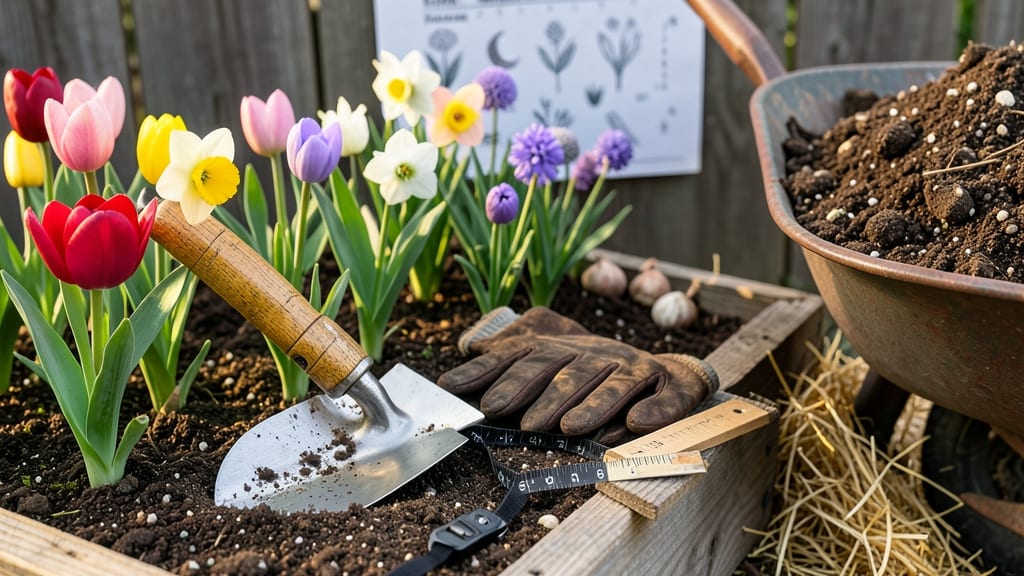
Planting bulbs in Zone 7b at the right time ensures vibrant blooms and healthy growth, whether you're focusing on fall-planted varieties like tulips or spring-planted types like dahlias.
Timing is everything when planting bulbs in Zone 7b—plant too early, and they’ll rot; too late, and winter’s first frost will stifle growth. Follow these precise guidelines to ensure vibrant blooms year after year, even in the unpredictable climate of this gardening zone.
In Zone 7b, where the last frost typically arrives around March 15 and the first frost hits by November 15, the ideal window for planting most bulbs is a narrow 6-8 week stretch before the ground freezes.
For spring-blooming bulbs like daffodils and crocus, aim for October or early November, while summer-blooming varieties like gladioli can wait until February or March.
Below, I’ll break down the exact months for each bulb type, how to adjust for your specific location within Zone 7b, and the key mistakes that can turn your garden into a graveyard for bulbs.
You’ll also find troubleshooting tips for those who plant outside the ideal window—because even the best-laid plans can go awry.
Best months to plant spring-blooming vs. fall-blooming bulbs in Zone 7b
Planting bulbs in Zone 7b requires precision—miss the window, and you risk rot or frozen bulbs. Most gardeners focus on fall-planted bulbs for spring blooms, but some varieties thrive when planted in early spring for summer/fall flowers.
The key is understanding your last frost date (around March 15) and first frost (around November 15) in this zone.
For spring-blooming bulbs like tulips and daffodils, timing is critical. Plant them 6-8 weeks before the ground freezes, typically between mid-October and mid-November. This gives roots time to establish before winter.
Meanwhile, fall-blooming bulbs like dahlias or gladiolas need a different approach—plant them in early spring (February-March) after the last frost.
Soil temperature also plays a role. Bulbs like crocus and snowdrops can handle cooler soils, but tulips and hyacinths prefer soil temps between 40-50°F. Use a soil thermometer to check before planting. In Zone 7b, soil temps drop below 50°F by late October, so act fast!
Here’s a quick comparison to guide your planting schedule:
| Bulb Type | Best Planting Time | Soil Temp Requirement | Bloom Season | Zone 7b Notes |
|---|---|---|---|---|
| Tulips | October–November | 40–50°F | Spring | Plant before November 15 for best results. |
| Daffodils | October–November | 35–45°F | Spring | More cold-hardy; can handle early November planting. |
| Hyacinths | October–November | 40–50°F | Spring | Plant 6 weeks before frost for strong roots. |
| Dahlias | February–March | 55–65°F | Summer/Fall | Wait until after last frost (March 15+). |
| Crocus | September–October | 30–40°F | Early Spring | Can bloom under snow—plant early! |
| Gladiolas | February–March | 55–65°F | Summer/Fall | Needs warm soil—wait until soil is thawed. |
If you’re in northern Zone 7b (e.g., Virginia’s Shenandoah Valley), aim for October planting—soil freezes earlier. In southern Zone 7b (e.g., Tennessee), you might squeeze in early November plantings. Always check your local frost dates to adjust, as microclimates vary.
For spring-pl
Zone 7b-specific tips to extend bulb longevity and bloom time
Zone 7b’s variable climate—with late frosts and early heat waves—can challenge bulb longevity. The key to vibrant, long-lasting blooms lies in soil prep, mulching, and protective strategies tailored to your region’s quirks.
Whether you’re in Virginia’s Piedmont or Tennessee’s Cumberland Plateau, these tips will shield your bulbs from nature’s whims.
First, focus on moisture retention—Zone 7b’s clay-heavy soils often drain poorly, leading to rot-prone bulbs. Amend your soil with compost or organic matter (like leaf mold) to improve aeration and water retention.
Aim for a 6-8 inch depth of amended soil before planting. This ensures bulbs get the consistent moisture they need without drowning.
Mulching is your next best friend. Apply a 3-4 inch layer of straw or shredded leaves after planting to insulate bulbs from freeze-thaw cycles. In early spring, remove mulch once shoots emerge to prevent rot from excess dampness. For early heat protection, consider a lightweight row cover during unseasonably warm spells in late winter.
🌱 Zone 7b Bulb Care Checklist
- 1. Soil Prep: Amend with compost to 6-8 inches deep before planting. Test pH (aim for 6.0-7.0).
- 2. Mulching: Apply 3-4 inch mulch after planting. Remove in spring after shoots appear.
- 3. Frost Protection: Use row covers for late frosts (28°F or below). Avoid plastic—opt for breathable fabric.
- 4. Watering: Deep water every 7-10 days in fall. Reduce in winter to prevent rot.
- 5. Fertilizing: Apply balanced fertilizer (5-10-10) in early spring after blooms fade.
Pro Tip: Label bulbs by variety and planting date to track longevity and bloom cycles year after year. 📋
Don’t overlook the power of strategic planting depth. In Zone 7b, plant bulbs twice as deep as their diameter—this shields them from temperature swings.
For example, tulip bulbs (1.5 inches wide) should go 3 inches deep, while daffodil bulbs (2 inches wide) need 4 inches of coverage. Deeper planting also deters voles, a common pest in this zone.
To extend bloom time, deadhead spent flowers promptly to redirect energy to foliage growth. Let leaves yellow naturally—never cut them back until they’ve browned completely. This ensures bulbs photosynthesize and store energy for next year’s blooms.
For longer-lasting displays, interplant bulbs with perennials like coral bells (Heuchera) or hostas, which provide year-round interest.
Finally, monitor your bulbs for stress signs like yellowing leaves or mushy stems. These often signal overwatering or poor drainage. Adjust your care routine immediately—Zone 7b’s humid summers can turn a well-meaning gardener into a bulb killer if not managed carefully.
With these strategies, your spring blooms will be bigger, brighter, and longer-lasting than ever before. 🌷