
Plants
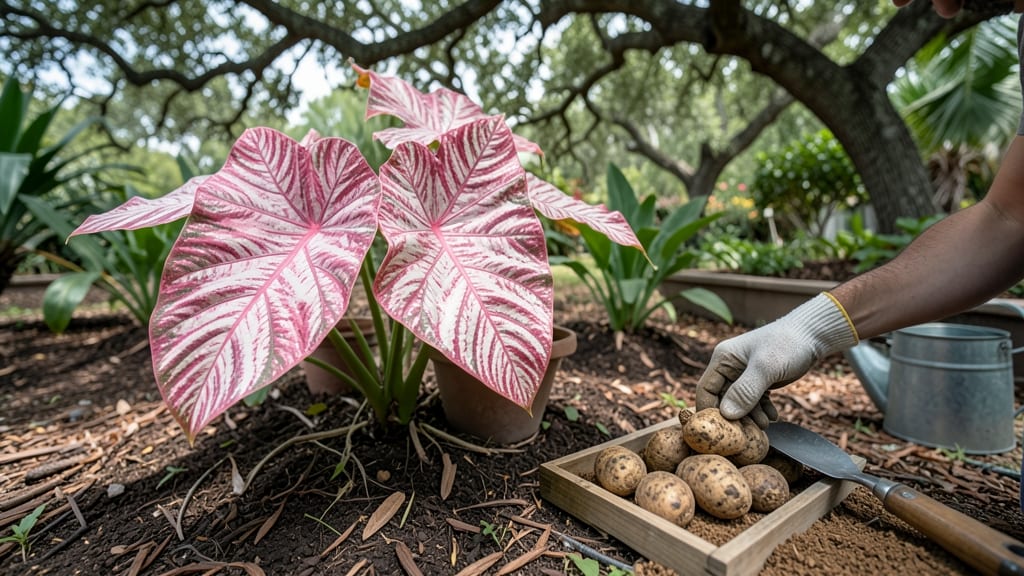
Plant caladium bulbs in Florida between March and April when the soil warms to at least 65°F and nighttime temps stay above 55°F—the sweet spot for vibrant foliage and healthy growth.
Florida’s scorching summers and humid climate can make gardening a challenge—but caladium bulbs thrive here, delivering stunning foliage that brightens any landscape. Timing your planting just right ensures they flourish without stress, whether you're in the 9a-11 zones or coastal areas.
These tubers (yes, they’re technically tubers, not bulbs!) love warmth and moisture, so planting too early risks frost damage in North Florida, while waiting too long can stunt their growth. The key is patience—wait until the soil is ready, and you’ll get those show-stopping leaves by summer.
Below, I’ll break down the best months by region, how to prep your soil, and 3 common mistakes Florida gardeners make (and how to avoid them). Let’s get those caladiums growing!
Best months to plant caladium bulbs in Florida’s climate zones
Florida’s unique climate—spanning from North Florida’s cooler winters to South Florida’s tropical heat—creates distinct planting windows for caladium bulbs. These stunning foliage plants love warmth but hate frost, so timing is everything. Unlike many bulbs, caladiums thrive in humid, shaded conditions common across Florida’s microclimates.
In North Florida (Zones 8a-9a), where frost can still occur, aim to plant after the last frost date (mid-February).
Central Florida (Zones 9b-10a) enjoys a longer growing season, while South Florida (Zones 10b-11) can plant as early as January—but wait until soil warms to 65°F for best results.
Here’s how humidity plays a role: High humidity speeds up germination, but planting too early in damp soil can lead to rot. Wait until daytime temps consistently stay above 70°F and nights above 55°F—this ensures your caladiums establish strong roots before summer’s intensity.
For early planting (February), focus on North and Central Florida where soil warms gradually. Use a soil thermometer to confirm temps—caladiums need consistent warmth to avoid stunted growth.
In South Florida, you can start as early as January, but protect young plants from intense afternoon sun with shade cloth.
Late planting (May or later) is risky in North Florida due to summer’s 100°F+ heat, but Central and South Florida can still plant through May if you provide afternoon shade. The key is keeping soil moist—mulch heavily to retain humidity and prevent bulb desiccation.
Pro tip: Pre-soak bulbs for 24 hours before planting in dry conditions. This mimics Florida’s natural humidity and jumpstarts root growth. Pair this with a light fertilizer application (10-20-20) at planting to encourage lush foliage development.
Remember, caladiums are tender bulbs, not hardy perennials. In North Florida, treat them as annuals—dig up tubers before first frost (December). Central and South Florida gardeners can often overwinter them with heavy mulch, but expect reduced vigor if left in ground.
Whether you’re in Panama City or Miami, the golden rule is: plant when soil is warm, humidity is rising, and frost is a distant memory. Your caladiums will reward you with show-stopping foliage all summer long.
Signs your Florida soil is ready for caladium bulbs (and how to prep it)
Your caladium bulbs will thrive in Florida’s heat once your soil hits the perfect balance of warmth and moisture. Look for soil temperatures above 65°F—this is your green light to plant.
In most of Florida, this typically aligns with late March to early April, but southern regions can start as early as February.
Another key sign is consistent soil moisture without being soggy. Stick your finger about 2 inches deep—if it feels damp but not wet, your soil is ready. Caladiums love humidity but hate waterlogged roots, so drainage is critical. Florida’s clay-heavy soils often need amendments to improve airflow.
🌱 Pro Tip: Test your soil’s pH too! Caladiums prefer a slightly acidic range of 6.0 to 6.5. If your soil tests higher, mix in peat moss or pine fines to adjust it naturally.
⚠️ Warning: Planting Too Early in Florida
Even in North Florida (Zone 8b-9a), avoid planting before mid-April—cooler nights can stunt growth. In South Florida (Zone 10b-11), late February is safe, but watch for unpredictable cold snaps. Use a soil thermometer to confirm warmth before planting!
Once your soil passes these checks, it’s time to prep. Start by loosening the soil to a depth of 8-12 inches with a garden fork. This helps roots establish quickly in Florida’s dense soil. Then, mix in 2-3 inches of compost or well-rotted manure to boost nutrients—caladiums are heavy feeders!
To protect your bulbs from Florida’s intense sun and heat, apply a 2-3 inch layer of mulch around plants. Use pine straw or shredded bark—these retain moisture while keeping roots cool. Mulch also suppresses weeds, reducing competition for nutrients.
Finally, consider adding a light shade cloth (30-50%) over newly planted bulbs if your garden gets harsh afternoon sun. This mimics their natural partial shade preferences and prevents leaf scorch. With these steps, your caladiums will burst into vibrant foliage all summer long!