
Plants
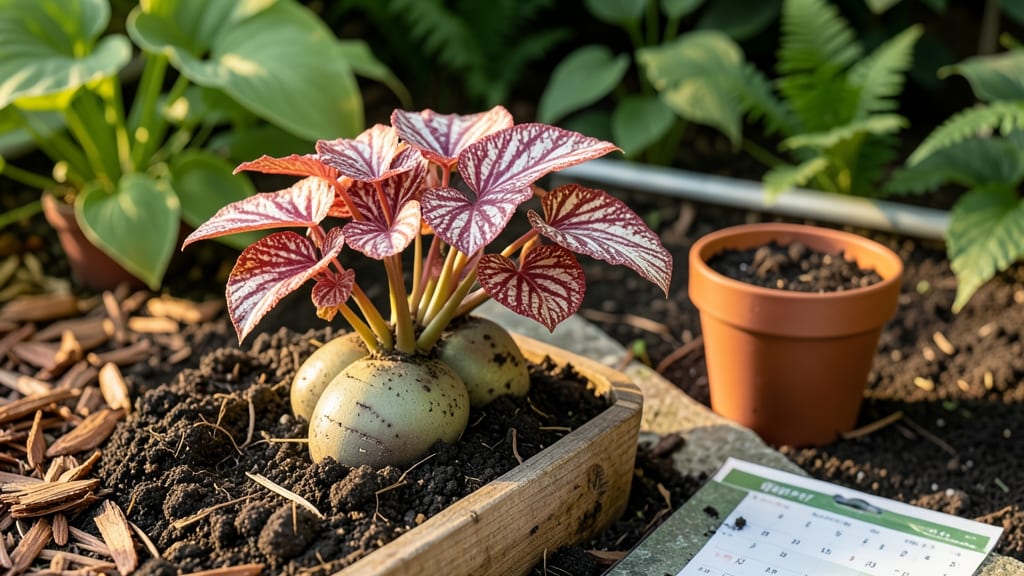
Plant caladium bulbs in Zone 7 after your last frost, typically between mid-April and early May, when soil temperatures hit at least 65°F.
That’s the golden window for these stunning 🌿 tropical plants—too soon, and frost will fry them; too late, and you’ll miss their vibrant summer display.
I’ve seen gardeners rush planting in March only to watch their bulbs rot in cold soil, or delay until June and end up with leggy, weak foliage.
Zone 7’s 180 frost-free days give you plenty of time, but caladiums need warmth to wake up. The key is waiting for those soil thermometers to read steady above 60°F—that’s when roots start growing and leaves pop with color.
Below, I’ll walk you through exactly how to time it right, plus soil prep tricks and container hacks to extend your caladium season—because these beauties deserve to shine all summer long.
Optimal planting window for caladium bulbs in Zone 7: soil temps & frost dates
Caladium bulbs love warm soil and hate frost—so timing your planting in Zone 7 is all about balancing soil temperatures and last frost dates. These tropical beauties need consistent warmth (60°F+) to thrive, and planting too early risks stunted growth or even bulb rot.
Let’s break down the ideal window to get your caladiums off to a vibrant start.
In most of Zone 7, the last frost typically occurs around mid-April, but soil temperatures lag behind air temps. A soil thermometer is your best friend here—wait until readings hit 60°F+ at 6 inches deep before planting.
This usually aligns with late April to early May, giving your caladiums plenty of time to establish roots before summer heat arrives.
If you’re in the Coastal Plain, you can plant as early as early April—the milder climate means soil warms faster. But in the Piedmont or urban heat islands, hold off until late April to early May to avoid heatwave stress later in the season.
Pro tip: Use a soil thermometer for 3–5 days to confirm consistency before planting.
Missed the spring window? No problem! Caladiums are flexible and can handle late planting into early June, though you’ll sacrifice some early-season foliage. Just ensure soil temps stay above 60°F and provide consistent moisture to help roots catch up. Container-grown caladiums adapt even better to late planting.
One common mistake is planting based on air temperature alone—soil stays cooler longer, especially in shady or clay-heavy spots. Test your garden’s microclimates: A north-facing bed may need 2–3 weeks later than a south-facing one. For precision, bury your thermometer 6 inches deep and check daily.
Heatwaves can stress newly planted caladiums, so monitor leaf color after planting. Yellowing edges signal underwatering, while wilted foliage means heat or drought stress. Mulch with 2–3 inches of organic matter (like shredded leaves) to retain moisture and regulate soil temps.
This is especially critical in Zone 7’s summer heat.
For container gardening, you can plant caladiums 1–2 weeks earlier than in-ground plants because pots warm up faster. Just ensure containers have drainage holes and use a lightweight potting mix to prevent waterlogging. Place pots in partial shade to protect them from intense afternoon sun.
Remember, caladiums are tropical plants at heart—they thrive where it’s warm and humid. In Zone 7, that means spring planting after frost and summer care to keep them happy.
With the right timing and a little attention to soil temps, you’ll enjoy their stunning foliage from June through frost. 🌿
Step-by-step pre-planting prep: soil, sun, and bulb care for Zone 7 gardens
Before you plant caladium bulbs in your Zone 7 garden, proper prep is key to vibrant foliage. These tropical plants need well-draining soil and partial shade to thrive. Start by testing your soil—caladiums hate soggy roots, so amend heavy clay with compost or sand to improve drainage.
Urban heat islands can raise soil temps too quickly, so monitor conditions closely.
Choose a planting spot with 4-6 hours of morning sun and afternoon shade. Full sun will scorch their delicate leaves, while too little light dulls their stunning colors. If your yard lacks ideal spots, consider containers near a shady patio or under trees.
Remember, caladiums are not cold-hardy, so avoid areas where frost lingers late into spring.
⚠️ callout-warning ⚠️
❌ Planting in full sun causes leaf burn and stunted growth. Caladiums need dappled shade to protect their tender foliage.
❌ Overwatering leads to root rot. These bulbs prefer consistently moist (not soggy) soil. Water only when the top inch feels dry.
❌ Planting too early before soil warms to 65°F+. Use a soil thermometer to check—cold soil delays sprouting and weakens plants.
For an early start, chit your bulbs indoors 4-6 weeks before your last frost date (typically mid-April in Zone 7). Place them in a warm spot with bright, indirect light, and watch for tiny sprouts.
This head start gives your caladiums a competitive edge in the garden. If you’re unsure about your frost date, check your local USDA Plant Hardiness Zone Map or ask your county extension office.
When amending soil, mix in aged compost or a balanced fertilizer (10-10-10) to provide nutrients. Avoid fresh manure—it can burn delicate roots. For heavy clay soil, work in perlite or coarse sand to improve aeration.
Raised beds are ideal for caladiums, as they offer better drainage and warmer soil temps faster in spring.
If you’re planting in containers or urban gardens, select pots with drainage holes and use a high-quality potting mix. Urban areas can get 10°F hotter than rural spots, so mulch around plants with straw or shredded leaves to retain moisture and cool roots.
Water deeply in the morning to reduce evaporation and fungal risks.
Finally, space bulbs 6-8 inches apart in rows 12 inches apart for a lush display. Plant them 4-6 inches deep, with the pointed end facing up. After planting, water thoroughly and keep soil moist until you see new growth.
With the right prep, your caladiums will reward you with showstopping foliage all summer long! 🌿