
Plants
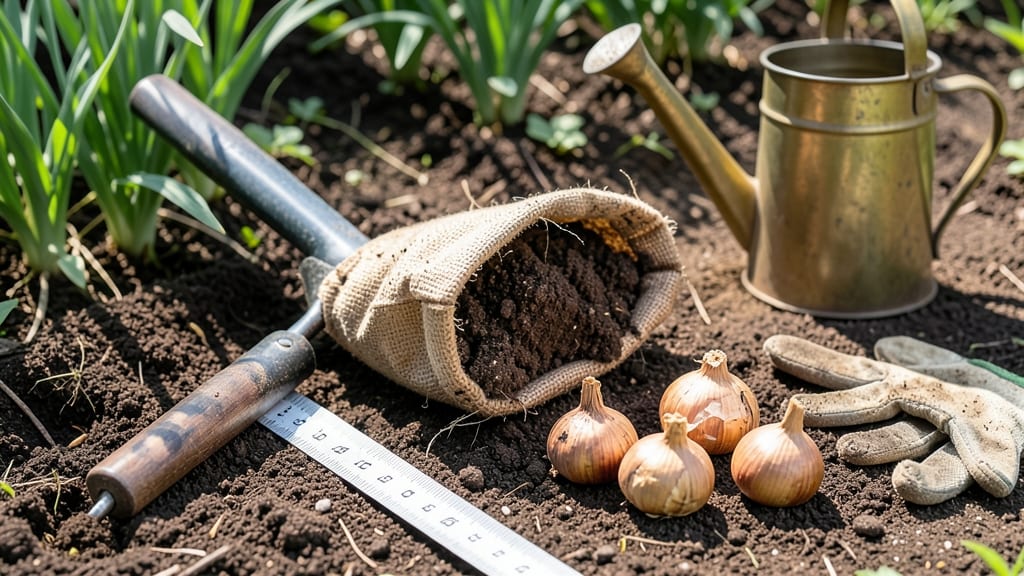
To plant daffodil bulbs in California, aim for October through December—this window ensures they get the 6-8 weeks of chill hours they need before blooming.
California gardeners know timing is everything—plant daffodil bulbs too early, and they’ll rot; too late, and they may never bloom. But with the right chill-hour map and planting strategy, you can guarantee vibrant spring flowers even in Southern California’s mild winters.
Whether you’re in coastal Zone 10 or inland Zone 8, the key is matching your region’s frost dates to bulb dormancy. A January planting works in mild areas, but fall is the safest bet for most of the state.
Below, I’ll break down the exact months for your zone, soil prep tips to avoid rot, and how to protect bulbs from gophers—so you can enjoy cheerful blooms by February.
California daffodil planting zones 7b-10a: chill-hour breakdown by region
California’s diverse microclimates create unique challenges for daffodil growers. Unlike cooler climates, most of the state falls within USDA Zones 7b-10a, where chill-hour requirements vary dramatically.
Daffodils typically need 300-1,500 chill hours (32°F-45°F) to bloom reliably, but coastal areas often get fewer than 500 hours, while inland valleys can exceed 1,200 hours. Understanding these differences ensures your bulbs get the perfect dormancy trigger for vibrant spring blooms.
In Zone 7b (e.g., Sacramento Valley), daffodils receive 1,200-1,500 chill hours, making it ideal for hardy varieties like 'Ice Follies'. Meanwhile, Zone 10a (e.g., San Diego) sees 0-300 chill hours, requiring special low-chill cultivars or pre-cooling treatments.
The key is matching your bulb variety to your local chill-hour count, which I’ll break down in the table below.
🌱 Pro Tip: Use your local Cooperative Extension office’s chill-hour data—many California counties publish annual reports. For example, Los Angeles (Zone 10a) averages just 200 chill hours, while Redding (Zone 7b) hits 1,400+ hours. This variance explains why traditional daffodils often fail in Southern California without adjustments.
For Zone 7b gardeners, the October-November window aligns with soil temps dropping to 60°F—ideal for root establishment before winter. In Zone 10a, however, planting in February ensures bulbs experience natural winter rains without overheating.
The coastal-inland divide is critical: San Francisco’s foggy summers delay planting by 2-3 weeks compared to Central Valley’s dry heat.
If you’re in a transition zone (e.g., Zone 8b), split your planting: 60% in November for traditional blooms and 40% in January to extend the season. This staggered approach works because daffodils in mild winters often need an extra 2-3 weeks of dormancy to trigger flowering.
For example, 'February Gold' thrives in Zone 8a but may skip blooming in Zone 9b without pre-cooling.
🌿 Soil Prep Hack: Amend clay-heavy inland soils with compost and sand to improve drainage—daffodil bulbs rot in waterlogged conditions. Coastal gardeners should prioritize well-draining soil mixes to prevent root rot from winter rains. In both cases, add a 2-inch layer of mulch after planting to insulate bulbs and retain moisture.
For container growing in Zone 10a, use well-draining pots with a minimum 12-inch depth and plant bulbs in late winter. Move containers to a shady spot in summer to prevent bulb
Best months to plant daffodil bulbs in California: a month-by-month guide
California’s diverse climate means daffodil planting timing varies dramatically from coastal San Diego to mountainous Lake Tahoe. In Zone 8-9 (inland valleys), aim for October-November planting, while Zone 10a (coastal) gardeners can plant until December—or even January in mild microclimates.
The key is soil temperature (ideal: 50-60°F) and chill hours (most daffodils need 150-300 hours below 45°F).
Southern California’s mild winters (Zone 10a) allow year-round planting, but fall is still best. In Zone 7b (foothills), plant 6-8 weeks before first frost—usually late September-October. Always test soil moisture before planting; soggy soil = rot risk. Drainage is non-negotiable in California’s clay-heavy soils.
- 📅 September: Zone 7b-8a only—plant early September if soil temps are 65°F or below. Ideal for high-elevation areas.
- 📅 October: Best month statewide—soil temps drop to 50-60°F. Zone 9a-10a: Plant mid-October; Zone 7b-8a: Plant early October.
- 📅 November: Zone 9b-10a only—last chance for coastal areas. Soil should be 55-60°F. Avoid if rain is forecasted.
- 📅 December: Emergency planting—only for Zone 10a (e.g., San Diego). Use shade cloth if temps drop below 45°F.
- 📅 January: Mild zones only—plant early January in Zone 10a if no frost risk. Ideal for container gardening.
For container planting, adjust timing by 2-4 weeks earlier—pots dry out faster and overheat in summer. Use well-draining mix (50% potting soil, 30% perlite, 20% compost) to prevent bulb rot. In drought-prone areas, water deeply after planting to encourage root growth before winter rains arrive.
If you miss the fall window, don’t panic! Zone 10a gardeners can plant in January—just avoid summer heat (plant in shade until roots establish). For Zone 7b-9a, spring planting is risky; bulbs may bolt to flower without proper chill hours.
Always label your bulbs by variety—some daffodils (like Paperwhite) bloom without chill!
After planting, mulch heavily (3-4 inches of straw or wood chips) to insulate bulbs and retain moisture. In coastal areas, watch for slugs—they love tender daffodil shoots.
A diatomaceous earth barrier around planted areas works wonders. First blooms should appear February-March, but leave foliage until yellow to feed the bulb for next year.
Remember: California’s microclimates mean your neighbor’s perfect timing might fail in your garden. Test soil temps with a thermometer (bury it 4 inches deep) and adjust your schedulevibrant daffodils from San Francisco to San Diego—no chill hours required! 🌸