
Plants
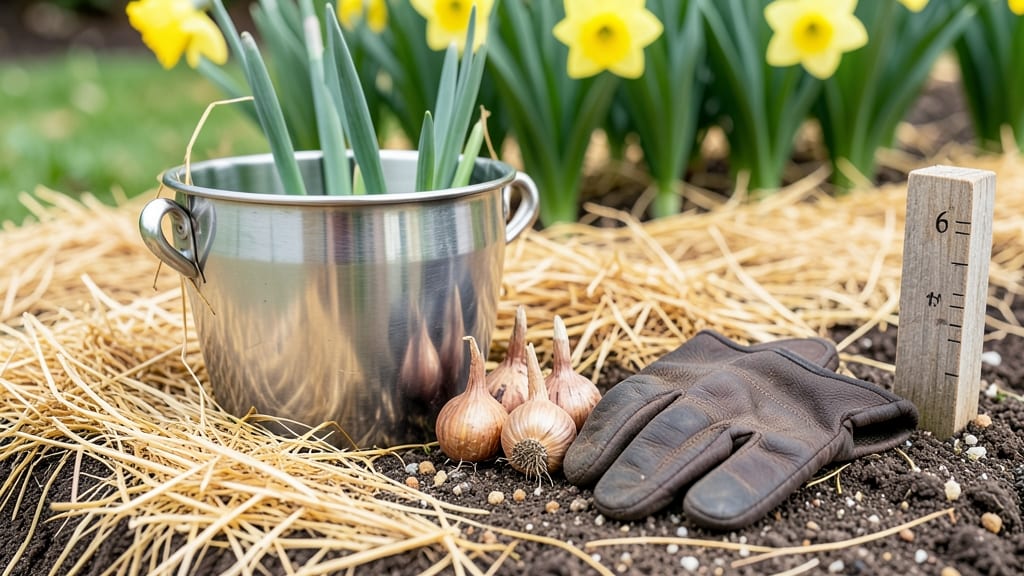
Planting daffodil bulbs in NC between October and December ensures they’ll bloom vibrantly next spring 🌼 — but timing matters more than you might think.
Timing your daffodil bulb planting in North Carolina can mean the difference between a vibrant spring display and a missed opportunity—get it wrong, and you might end up with weak blooms or no flowers at all.
North Carolina’s climate varies from the cooler Piedmont to the milder coastal regions, so the right window depends on your zone. Too early, and bulbs may sprout before winter; too late, and they won’t establish roots before the ground freezes.
Inside, I’ll break down the chill-hour needs for your location, soil prep secrets, and how to adjust for early or late varieties—so you can plan with confidence.
Best planting months for daffodils in NC based on chill-hours
North Carolina's diverse climate—from the mild coastal regions to the cooler Piedmont mountains—creates unique challenges for planting daffodil bulbs. These perennial flowers need 600-900 chill hours (temperatures between 32-45°F) to bloom reliably.
In USDA Zones 7-8, timing matters because planting too early or late can lead to weak growth or no flowers at all.
Most gardeners in North Carolina aim to plant daffodils 6-8 weeks before the ground freezes. However, coastal areas like Wilmington (Zone 8a) may need to plant earlier than Asheville (Zone 6b). Understanding your local chill-hour accumulation is key to choosing the right planting window for your region.
In coastal North Carolina (Zone 8a), where winters are milder, daffodils need fewer chill hours. Planting in mid-October ensures bulbs establish roots before the ground cools too much. If you miss this window, you can still plant through early November, but expect smaller blooms or delayed flowering.
For Piedmont gardeners (Zones 7a-7b), late October is ideal. This timing aligns with cooler soil temperatures (50-60°F), which helps bulbs root before winter. If you're in a warmer microclimate, like Raleigh, consider planting early varieties in September to compensate for lower chill hours.
Mountain regions like Asheville (Zone 6b) have longer winters, allowing for a later planting window. November is perfect, and you can even plant through early January if ground isn't frozen. However, planting too late may result in weak stems or fewer blooms the following spring.
If you're unsure about your local chill hours, check with your Cooperative Extension Service or use a chill-hour calculator. Most daffodil varieties thrive with 600-900 chill hours, but some low-chill varieties (like 'February Gold') need as few as 400 hours, making them great for coastal areas.
Pro tip: Plant bulbs 6-8 inches deep and 4-6 inches apart in well-draining soil. Add a layer of mulch after planting to protect bulbs from temperature fluctuations and retain moisture during winter.
For gardeners in transition zones, like the Triangle area (Raleigh-Durham), aim for late October. This balances the need for chill hours with the risk of early freezes. If your area experiences unpredictable weather, err on the side of planting earlier rather than later.
Remember, daffodils are hardy perennials that multiply over time. Even if you miss the ideal window, bulbs may still grow, but they might not bloom as vigorously. With the right timing, you'll enjoy vibrant spring blooms for years to come!
Soil temperature and moisture triggers for perfect daffodil growth
Daffodils thrive when planted in cool soil between 45°F and 60°F, which triggers root development before dormancy. In North Carolina, this typically aligns with October through early December, but timing varies by USDA zone.
For Zone 7b (e.g., Raleigh), aim for mid-October to November, while Zone 8a (e.g., Wilmington) can extend planting until late November. The key is ensuring bulbs establish roots before the ground freezes—6-8 weeks ahead of your area’s first frost date. 🌱
Soil moisture plays a critical role in early growth. After planting, keep the soil consistently moist (not soggy) to encourage root expansion. In NC’s unpredictable fall weather, a 1-inch layer of mulch helps retain moisture and insulate bulbs.
Avoid waterlogging, as daffodils hate wet feet—they need well-draining soil to prevent rot. Early varieties like ‘Tête-à-Tête’ (dwarf) benefit from slightly drier conditions once roots form, while late bloomers like ‘Ice Follies’ prefer steady moisture through winter. 💧
Adjust planting timing based on early vs. late varieties. Early bloomers (e.g., ‘February Gold’) need 600–800 chill hours and should go in earlier (September–October) to meet their cooling requirements. Late varieties (e.g., ‘Thalia’) tolerate fewer chill hours (400–600) and can wait until November.
Use a soil thermometer to confirm temps—if soil stays above 60°F for weeks, bulbs may sprout prematurely, weakening their winter hardiness. 🌡️
North Carolina’s mild winters and variable rainfall can disrupt daffodil growth. If your area experiences early warming spells (e.g., January thaws), bulbs may break dormancy too soon, leading to frost damage. To mitigate this, plant deeper (6–8 inches) in warmer zones like Zone 8a to insulate bulbs.
In drier regions (e.g., Piedmont), supplement natural rainfall with weekly deep watering until ground freezes. Overhead watering at night can promote fungal diseases, so stick to morning irrigation. ✂️
Troubleshoot common issues by monitoring soil conditions. If your daffodils fail to bloom, check for overwatering (yellowing leaves) or poor drainage (mushy bulbs). In clay-heavy soils, amend with compost or sand to improve aeration.
For late planting (e.g., December), use a cold frame to protect bulbs until spring. Remember, daffodils store energy in their leaves—never cut foliage until it yellows naturally, or you’ll reduce next year’s flower power. 🌿
Pro tip: Layer planting depths for staggered blooms. Plant half your bulbs at 4 inches deep (for early flowers) and half at 6 inches deep (for late bloomers). This extends your spring display by 3–4 weeks and accounts for NC’s microclimates.
Pair this with well-timed mulching, and your daffodils will reward you with bold, reliable blooms year after year. 🌼