
Plants
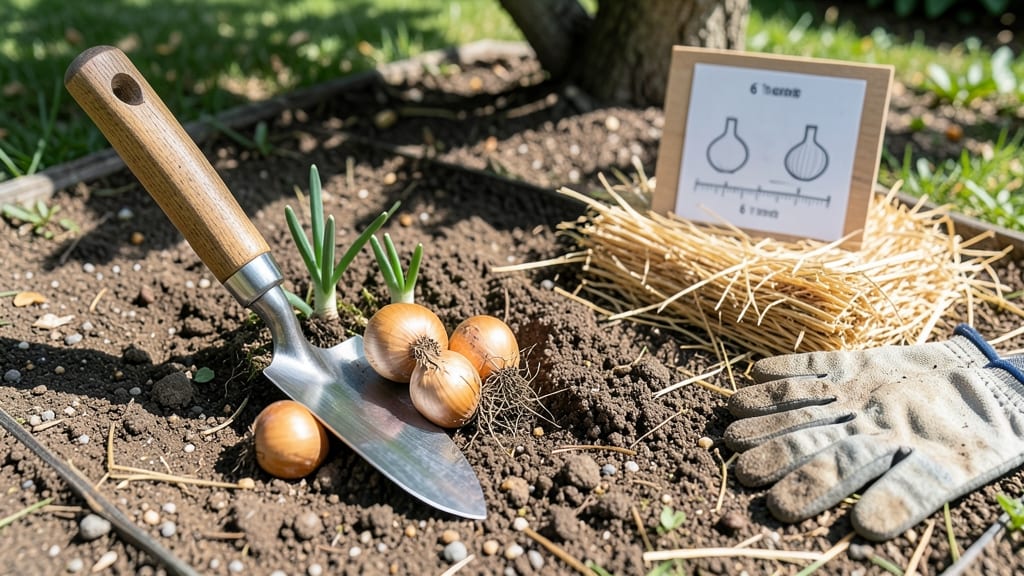
Planting daffodil bulbs in Ohio between October and November ensures they get the 6–8 weeks of chill they need to burst into spring color 🌼.
Ohio gardeners know spring blooms start with the right timing—and daffodils demand precision. Plant too early, and frost may kill them; too late, and they’ll miss Ohio’s chill requirements for vibrant spring displays.
This window—just before the ground freezes—lets the bulbs establish roots while still benefiting from cooler fall weather. Skip it, and you risk weak blooms or no flowers at all.
Below, I’ll walk you through the exact steps to time your planting, prep your soil, and avoid common mistakes that ruin Ohio’s reliable spring blooms.
Best planting months for daffodil bulbs in Ohio’s climate zones
Ohio’s diverse climate zones (USDA 5b–6b) create microclimates where daffodil bulbs thrive when planted at the right time. The ideal window spans October through November, but timing varies by region—northern Ohio needs earlier planting than southern Ohio.
These chill-loving bulbs require 6–8 weeks below 40°F to bloom reliably, so missing this window means fewer (or no!) spring flowers.
In northern Ohio (e.g., Cleveland, Toledo), aim to plant by mid-October to ensure bulbs establish roots before the ground freezes. Southern Ohio (e.g., Cincinnati, Columbus) has milder winters, so you can extend planting until late November.
Even a 2-week delay can reduce bloom quality, so check your local first frost date—planting 4–6 weeks before ensures success.
Daffodils are hardy perennials that naturalize over time, but their first-year blooms depend on proper fall planting. Skipping this window forces bulbs to wait another year, delaying those cheerful yellow and white blooms you crave. Below, see how Ohio’s microclimates affect your planting schedule.
⚠️ CRITICAL: Avoid planting in September unless your area has early freezes—bulbs need time to root before winter. Similarly, planting in December risks frost damage before roots establish.
Ohio’s variable microclimates mean your neighbor’s perfect timing might not work for you. For example, Toledo’s earlier freezes demand October planting, while Cincinnati’s milder winters allow November flexibility.
Use your local cooperative extension service (e.g., Ohio State University’s frost maps) to pinpoint your zone’s first frost date—then count back 6 weeks for planting.
Pro tip: Early October is the sweet spot for most of Ohio. By then, soil temperatures drop enough to signal bulbs to root, but frost hasn’t arrived yet. Bare-root bulbs (sold without soil) should be planted immediately upon arrival, while potted bulbs can wait until soil temps hit 50°F.
Don’t overlook soil preparation—Ohio’s clay-heavy soils can suffocate bulbs. Mix in 2–3 inches of compost or sand to improve drainage, especially in low-lying areas where water pools. Well-draining soil prevents bulb rot, a common issue in Ohio’s wet springs.
Once planted, mulch with straw (2–3 inches) to insulate bulbs through winter. This protects against freeze-thaw cycles that can heave bulbs out of the ground.
In northern Ohio, add an extra layer of mulch if winters are harsh—daffodils are tough, but they’ll thank you with bigger blooms next spring.
Timing isn’t just about the calendar—it’s about chill hours. Daffodils need 6–8 weeks below 40°F to trigger flowering. In southern Ohio, where winters are milder, bulbs may need artificial chilling (store them in a garage or fridge for 6 weeks) if planted late.
This mimics nature’s winter dormancy requirement.
For foolproof results, mark your calendar for October 15—this gives you a 2-week buffer on either side to adjust for early/late freezes. Pair this with 6-inch-deep planting (twice the bulb’s height) and full sun exposure, and you’ll enjoy vibrant
How to time planting for Ohio’s frost dates and spring blooms
Ohio’s average last frost date (April 15–May 1) sets the stage for daffodil success, but timing your bulbs requires more than just avoiding spring frost. These hardy perennials need 6–8 weeks of winter chill (below 40°F) to bloom reliably.
Plant too early, and frost may damage emerging shoots; too late, and your daffodils might skip flowering entirely. The key is balancing dormancy needs with Ohio’s unpredictable microclimates.
Start by checking your local first frost date—typically around October 20 in most of Ohio. Aim to plant daffodil bulbs 4–6 weeks before the ground freezes solid.
This window usually falls between mid-October and early November, but northern Ohio’s colder zones (like Cleveland) may need earlier planting, while southern Ohio (like Cincinnati) can extend into late November. Use Ohio State University’s frost date maps for precision.
Step-by-Step Planting Timeline for Ohio Daffodils
-
Step 1: Calculate Your Local Frost Window
- Check Ohio’s average first frost date (Oct 20) and last frost date (Apr 15–May 1).
- Plant bulbs 4–6 weeks before the first hard frost (usually mid-October–early November).
-
Step 2: Prepare the Soil for Drainage
- Test soil pH (6.0–7.0) and amend with compost or sand if clay-heavy.
- Avoid waterlogged spots—daffodils rot in soggy soil.
-
Step 3: Plant Bulbs at the Right Depth
- Dig holes 6–8 inches deep (2x the bulb’s height).
- Space bulbs 3–6 inches apart for full sun exposure.
-
Step 4: Mulch and Water for Winter Protection
- Add 2–3 inches of mulch after planting to insulate bulbs.
- Water deeply once after planting to settle soil.
-
Step 5: Monitor for Spring Emergence
- Watch for green shoots in March—remove mulch when soil warms.
- Avoid fertilizing until after blooming (early spring).
Pro Tip: Use a planting calendar from Ohio’s Master Gardener programs for hyper-local adjustments.
Ohio’s clay-heavy soils can trap moisture, so prioritize raised beds or slopes if your yard drains poorly. After planting, mark bulb locations with biodegradable flags to avoid disturbing roots when weeds pop up in spring.
Daffodils thrive in full sun (6+ hours daily), so choose a south-facing spot for maximum blooms. Once established, they’re drought-tolerant, but water lightly after planting to encourage root growth before winter.
Don’t stress if Ohio’s weather throws off your timing—daffodils are forgiving. Even if planted in late November, bulbs can survive if the ground isn’t frozen. The critical factor is ensuring they experience 6–8 weeks of chill before spring warmth triggers blooming.
For extra peace of mind, opt for early-blooming varieties like ‘Tête-à-Tête’ or ‘Ice Follies,’ which are more adaptable to Ohio’s variable climate.
With the right timing, your daffodils will reward you with vibrant spring color just as Ohio’s frost risk fades. Plant now, and you’ll be the first on your block to greet April showers with cheerful blooms—no frost damage in sight! 🌼