
Plants
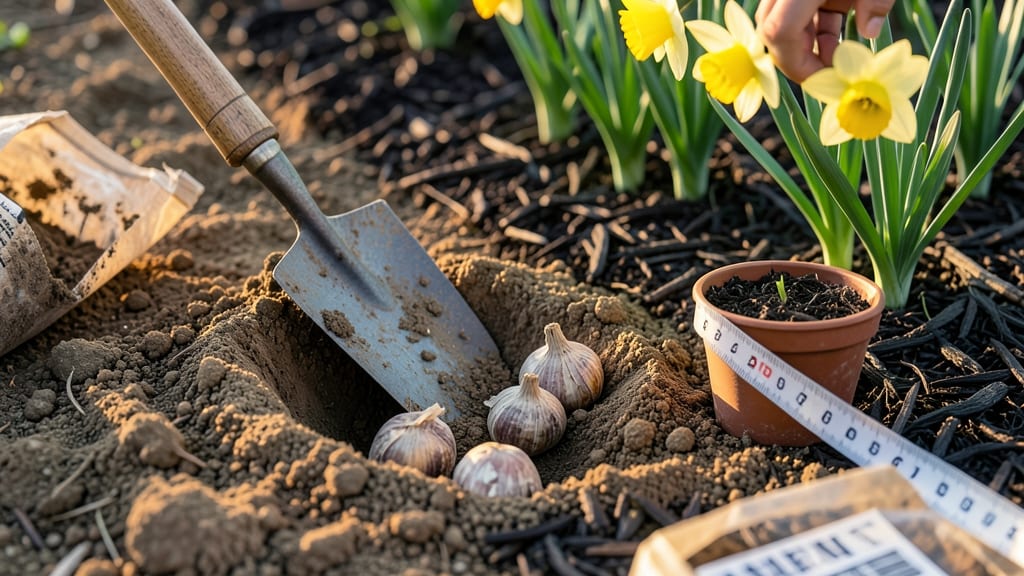
Planting daffodil bulbs in Southern California at the right time ensures vibrant 🌼 blooms by early spring—aim for October through December when soil temperatures drop below 60°F.
If you want those cheerful yellow trumpets popping up in your garden by late winter, timing is everything. Plant too early, and the bulbs may sprout in summer heat; too late, and they won’t root deeply enough for strong growth.
The 6-8 week window before the first frost is your sweet spot.
Southern California’s diverse microclimates mean coastal areas like San Diego can plant a little later than inland spots near Riverside. Coastal soil stays cooler longer, while inland zones may need an earlier start to avoid summer drought stress.
Below, I’ll break down the best months for your specific region, soil prep tips to keep bulbs thriving, and how to adjust for coastal vs. inland growing conditions—so you get the most reliable blooms year after year.
Best months to plant daffodil bulbs in Southern California for spring blooms
Daffodils are one of the most cheerful spring flowers, and in Southern California, timing your daffodil bulb planting correctly ensures vibrant blooms from March to May.
Unlike cooler climates, our USDA zones 9b-10a allow for a longer planting window—but planting too early or too late can stress your bulbs. The key is planting when soil temperatures drop below 60°F, typically between October and December, to avoid summer heat stress.
In my years of gardening here, I’ve learned that coastal areas like San Diego and Santa Barbara have milder winters, while inland regions like Riverside and Palm Springs experience colder nights. This difference means your planting window should shift slightly depending on where you live.
For example, coastal gardeners can plant as late as early December, while inland areas should aim for October to November to avoid early frost risks.
Here’s a quick comparison to help you decide the best time for your location:
| Region | Best Planting Window | Soil Temp Trigger | Key Consideration |
|---|---|---|---|
| Coastal (San Diego, Santa Barbara) | October 15 – December 10 | 55–60°F | Milder winters; plant later to avoid wet soil |
| Inland (Riverside, Palm Springs) | October 1 – November 15 | 60–65°F | Cooler nights; plant earlier to establish roots |
| Desert (Joshua Tree, Coachella) | September 15 – October 31 | 65–70°F | Extreme heat; plant early to avoid summer stress |
Planting in September is possible in inland areas, but I don’t recommend it for coastal regions. The soil can still be too warm, and bulbs may sprout too early, only to wilt during our dry summers.
Similarly, planting after December 15 risks bulbs not establishing strong roots before winter dormancy. Aim for 6-8 weeks before your area’s first frost, which in Southern California is usually around January 15.
Another critical factor is soil moisture. In Southern California, our winters are often dry, so I always water my bulbs deeply right after planting. Use a moisture meter or dig down 6 inches—if the soil feels dry, add water until it’s damp but not soggy.
This step is especially important in sandy soils, which drain quickly and can leave bulbs high and dry.
When choosing bulbs, opt for dwarf varieties like ‘Tête-à-Tête’ if you’re in a hotter inland area, as they handle heat better. For coastal gardens, standard daffodils like ‘Ice Follies’ or ‘Carlton’ thrive with minimal fuss.
Plant bulbs 6 inches deep and 6 inches apart in well-draining soil. If your garden has clay soil, mix in compost or sand to improve drainage.
One mistake I see often is planting bulbs in summer or early fall when the soil is still warm. Daffodil bulbs need cool soil to trigger root growth. If you miss the ideal window, don’t panic—you can still plant in January, but expect smaller blooms that year.
The bulbs will recover and bloom beautifully in subsequent springs.
To maximize your daffodils’ success, pair them with low-growing perennials like lavender or creeping thyme, which thrive in our climate and won’t compete for water. Mulch with straw or wood chips after planting to retain moisture and regulate soil temperature.
This simple step can make a huge difference in bulb survival during our dry winters.
Finally, remember that daffodils are deer-resistant, making them a great choice for gardens in rural Southern California. Once established, they’re also drought-tolerant, so they’ll reward your timing efforts with years of low-maintenance blooms.
With the right planting window, your garden will burst into color just as winter gives way to spring.
How to adjust planting time for coastal vs. inland Southern California climates
Southern California’s diverse microclimates mean daffodil planting times can vary by hundreds of miles. Coastal areas like San Diego enjoy milder winters with rare frost, while inland regions like Riverside face cooler nights and occasional light frosts.
These differences directly impact when you should plant your daffodil bulbs for optimal spring blooms.
In coastal zones, the ideal planting window stretches from late October through December, allowing bulbs to establish roots before winter rains arrive. Inland areas, however, should plant earlier—from mid-September to early November—to account for cooler soil temperatures and potential frost that can delay growth.
⚠️ callout-warning ⚠️
Planting too late in coastal areas risks bulbs sprouting before winter rains, leading to weak root systems. Inland plantings delayed past November 15 may face frost damage before roots establish.
🌱 Coastal Tip: Use mulch (3-4 inches) to protect emerging shoots from winter winds.
🌡️ Inland Tip: Monitor soil temps—plant when they drop below 60°F (15°C).
Soil conditions also play a critical role. Coastal gardens often have sandy, fast-draining soils that require amended planting beds with compost, while inland areas benefit from well-draining loam to prevent bulb rot.
In coastal zones, rainfall patterns mean bulbs need less frequent watering once planted, whereas inland plantings may require supplemental irrigation during dry spells.
Another key difference is frost risk. Coastal daffodils rarely face frost, so you can plant up to January in mild years. Inland gardeners should finish planting by November 15 to avoid light frost events that can damage tender shoots.
Use frost cloth if extending your inland planting window into December.
For coastal gardeners, focus on late fall planting (November-December) and prioritize wind protection with mulch or windbreaks. Inland gardeners should plant earlier (September-October) and choose frost-hardy varieties like 'Ice Follies' or 'Tête-à-Tête' for reliability.
Regardless of location, soil temperature is your best guide. Use a soil thermometer to confirm temps are below 60°F (15°C) before planting. This ensures bulbs won’t sprout prematurely, which weakens their ability to store energy for spring blooms.
By adjusting your planting timeline based on these microclimate factors, you’ll give your daffodils the best chance to thrive—and reward you with bold, early spring color year after year. 🌼