
Planting
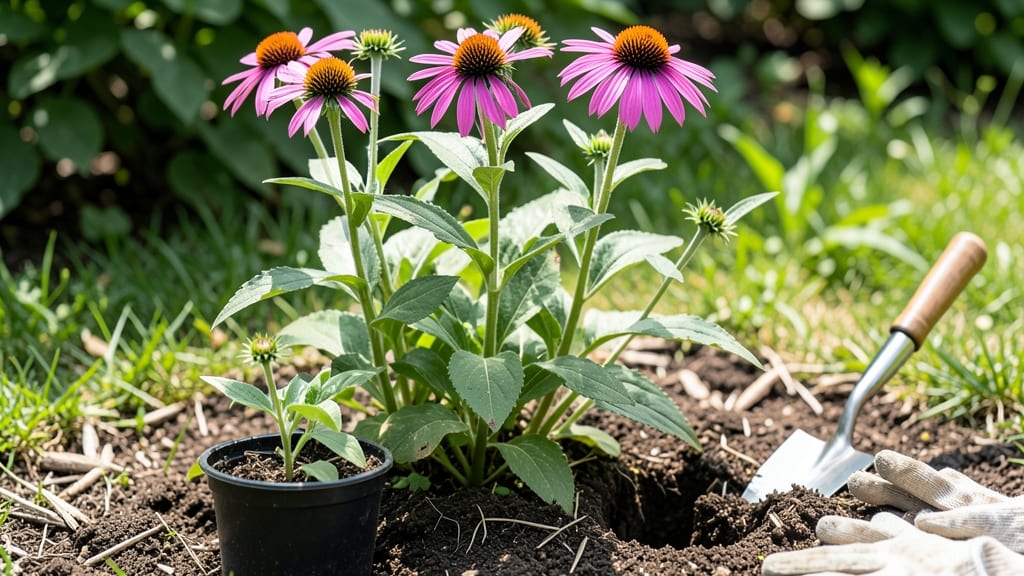
To plant echinacea bulbs at the best time for vibrant blooms, aim for 4-6 weeks before your last frost date—typically early spring or early fall in most regions.
Struggling to time echinacea bulb planting for vibrant, long-lasting blooms? Planting too early or late can mean the difference between a showstopping garden centerpiece and a disappointing flop—here’s the exact frost-date formula to get it right every time.
Echinacea 🌸 thrives when planted in well-draining soil, but frost can damage tender roots if you jump the gun. In USDA Zone 6a, that means early March or late September for most gardeners, but your local frost dates may shift those windows by weeks.
Below, I’ll break down the perfect planting window for your zone, how to prep soil for long-term success, and the one mistake that kills echinacea before it even blooms.
Echinacea planting timeline based on your last frost date
Timing echinacea planting correctly ensures vibrant blooms and strong root systems. Since echinacea thrives in USDA Zones 3-9, your last frost date determines the perfect 4-6 week window to plant.
Too early, and frost damage risks your young plants; too late, and you delay those stunning purple or pink blooms by a season. Let’s break it down by zone and region so you can plant with confidence.
First, find your average last frost date—this is the critical number for echinacea. For example, in Zone 3 (like Minnesota), this might be May 15, while in Zone 9 (like Southern California), it’s often February 15.
Count backward 4-6 weeks from that date to pinpoint your ideal planting window. This timing gives echinacea enough time to establish roots before summer heat sets in.
Here’s the key: echinacea bulbs (or seeds, if starting from scratch) need consistent soil temperatures above 50°F (10°C) to sprout successfully. Planting too early in cold soil can stunt growth, while waiting too long may mean your plants struggle to bloom in their first year.
The 4-6 week window balances these risks perfectly.
| USDA Zone | Last Frost Date | Planting Window | Regional Example | Soil Temp Goal |
|---|---|---|---|---|
| Zone 3 | May 15 | April 15–April 30 | Minnesota, Maine | 50–55°F (10–13°C) |
| Zone 4 | May 1 | March 15–March 30 | Wisconsin, Upstate NY | 50–55°F (10–13°C) |
| Zone 5 | April 15 | March 1–March 15 | Chicago, Vermont | 50–55°F (10–13°C) |
| Zone 6 | April 1 | February 15–March 1 | Ohio, Pennsylvania | 50–55°F (10–13°C) |
| Zone 7 | March 15 | February 1–February 15 | Virginia, Missouri | 50–55°F (10–13°C) |
| Zone 8 | February 15 | January 1–January 15 | Georgia, North Carolina | 55–60°F (13–16°C) |
| Zone 9 | January 15 | November 15–December 15 | California, Arizona | 60–65°F (16–18°C) |
Signs you’re planting echinacea bulbs at the wrong time
Planting echinacea bulbs at the wrong time can leave your garden looking sparse or delay those stunning purple and pink blooms you love. The biggest red flags? Wilted shoots after frost or stunted growth from planting too late.
Even experienced gardeners sometimes misjudge the 4-6 week window before the last frost date, especially in high-altitude areas or container gardens.
If your echinacea plants emerge looking weak or fail to thrive, it’s often a sign of poor timing. For example, planting in late winter risks frost damage, while waiting until mid-spring may delay blooming until late summer.
Even raised beds or containers need adjustments—soil warms faster, but roots still need time to establish before summer heat arrives.
⚠️ Critical Timing Mistakes
Too Early: Planting before 4-6 weeks before last frost risks frost damage to tender shoots. Look for wilted or blackened leaves—a clear sign of cold stress.
Too Late: Waiting until after last frost delays root establishment, leading to smaller blooms or no flowers at all. Check for slow growth or yellowing leaves.
High-Altitude Fix: Add 2-4 extra weeks to your planting window (e.g., May instead of April) to account for cooler soils.
Container-grown echinacea also needs special attention. Since pots warm up faster, you might think it’s safe to plant earlier—but root-bound bulbs struggle in cold soil. If your potted echinacea shows stunted roots or dry soil cracks, it’s a sign you planted too soon.
Wait until soil reaches 50°F (10°C) at least 2 inches deep.
Another clue? Delayed blooming. If your echinacea flowers appear 3-4 weeks later than expected, you likely planted too late. This is common in USDA Zones 3-5, where short growing seasons demand precise timing. For these zones, aim for late April to early May—not June!
For raised beds, the soil warms faster than in-ground areas, so you can plant 1-2 weeks earlier than your last frost date. But watch for overheating soil—if the bed feels too hot to touch, delay planting until temperatures stabilize. A simple soil thermometer helps avoid this pitfall.
Finally, high-altitude gardens (above 5,000 feet) need extra caution. The thinner air and cooler temps slow soil warming. If your echinacea struggles in these conditions, shift planting to late May or early June and use black plastic mulch to speed up soil warming.
Adjusting your timing based on these signs ensures your echinacea thrives—and rewards you with bold, long-lasting blooms all season. 🌸