
Plants
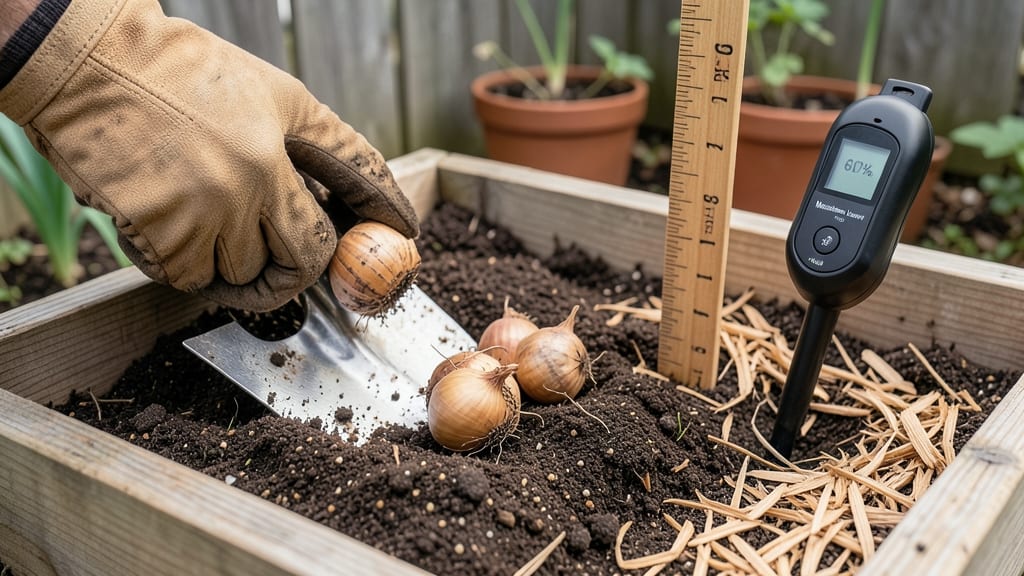
Planting lily bulbs at the right time means the difference between showstopping summer blooms and a season of disappointment.
Timing your lily bulb planting wrong can mean the difference between stunning summer blooms and wasted effort—yet most gardeners miss the critical clues in soil temperature, chill requirements, and frost dates.
In USDA Zone 6a, like many temperate regions, the ideal window is September–October for fall planting or March–April for spring. But here’s the catch: bulbs need chill hours to break dormancy, and soil temps must be cool enough to prevent rot.
Below, I’ll break down the exact frost-date formula for your region, soil prep secrets, and how to adjust for late-spring heat stress—so you can plant with confidence and watch those 🌸 emerge on cue.
Lily bulb planting timeline: chill hours vs soil temperature rules
Planting lily bulbs at the wrong time can leave you staring at bare soil instead of showstopping summer blooms. The secret lies in two critical factors: chill hours and soil temperature.
Unlike annuals, lily bulbs need a dormancy period to break their natural cycle, and getting this timing wrong means missed blooms or weak growth. Let me break down the science so you can plant with confidence.
Most gardeners focus on frost dates, but chill hours (the number of hours below 40°F) are just as crucial. For example, Asiatic lilies need 4-6 weeks of chilling, while Oriental lilies require 8-12 weeks.
Meanwhile, Trumpet lilies are more forgiving with 6-8 weeks. Pair this with soil temperatures—roots need 50-60°F to establish before winter sets in.
Here’s the golden rule: Plant bulbs 4-6 weeks before your first frost when soil temps hit 60°F. In warmer zones (like USDA 8-10), you can plant in late fall or early spring, but cooler zones (USDA 3-7) need an earlier start.
Let’s dive into the exact timing for your region.
| Lily Type | Chill Hours Needed | Ideal Soil Temp (°F) | Best Planting Window | USDA Zones |
|---|---|---|---|---|
| Asiatic Lilies | 4-6 weeks | 50-60°F | September-October (fall) or March-April (spring) | 3-10 |
| Oriental Lilies | 8-12 weeks | 55-65°F | August-September (fall) or February-March (spring) | 4-9 |
| Trumpet Lilies | 6-8 weeks | 50-60°F | September-October (fall) or March-April (spring) | 5-10 |
| Martagon Lilies | 6-10 weeks | 50-60°F | August-September (fall) or February-March (spring) | 3-8 |
| Daylilies (Hemerocallis) | 0-4 weeks (minimal chill) | 55-65°F | Spring (March-April) or Fall (September) | 3-11 |
🌱 Pro Tip: Use a soil thermometer to check temps—50°F is the magic number for root growth!
If you’re in USDA Zone 5 or colder, aim for late August to early September planting. The goal is to give bulbs time to root before the ground freezes.
In Zone 7 and warmer, you can extend planting into October or even November, but avoid planting when soil temps drop below 40°F, or roots will suffer.
Spring planting is trickier because bulbs need chill hours to bloom. If you plant in March or April, your lilies might skip flowering that year. For Oriental lilies, which need the most chill time, spring planting is risky unless you’re in Zone 8 or higher.
I recommend sticking to fall planting for best results.
One common mistake? Planting too shallow. Lily bulbs need 6-8 inches of depth to protect them from temperature swings and rodents. If you’re in a warmer climate, you can plant slightly shallower (4
The frost-date formula: how to calculate your exact planting window
Planting lily bulbs at the wrong time is like sending your garden flowers to sleep before they've even woken up. The key to stunning summer blooms lies in understanding your local frost dates and adjusting for your specific lily varieties.
Most gardeners plant too early or too late, missing the critical 6-week pre-frost window that guarantees strong root establishment before winter dormancy.
Your first step is finding your average last frost date—this tells you when your garden is safe from freezing temperatures. For example, in USDA Zone 6a, that's typically around April 15, while coastal areas might see frost as late as May 1.
Once you know this date, you can work backward to create your perfect planting schedule for each lily type.
🌱 Numbered Highlights: Your 6-Week Pre-Frost Planting Formula
- Step 1: Find your last frost date (check local weather records or USDA zone maps)
- Step 2: Subtract 6 weeks from frost date for Asiatic lilies (earliest bloomers)
- Step 3: Subtract 8 weeks for Oriental lilies (need more root time)
- Step 4: Subtract 10 weeks for Trumpet lilies (longest dormancy needs)
- Step 5: Plant bulbs 6-8 inches deep in well-draining soil at your calculated date
- Step 6: Mulch heavily after planting to insulate roots before frost
Let's say your last frost is November 1. Working backward: Asiatic lilies go in September 17, Oriental lilies on September 10, and Trumpet lilies by September 3. This timing ensures bulbs establish roots before winter while avoiding the late-summer heat stress that weakens young plants.
One common mistake is planting too early—bulbs need cooler soil temperatures (below 65°F) to prevent rot. Another is ignoring chill hour requirements: Oriental lilies need 1,000+ chill hours, while Asiatics thrive with just 500-700 hours.
Planting without this knowledge often results in weak stems or no blooms at all.
For container gardeners, the formula changes slightly—use 4-6 weeks pre-frost instead of 6-10, since pots warm up faster. Always plant containers in shaded spots after the initial planting to protect tender roots. The key is creating that consistent 6-week window regardless of container or ground planting.
Pro tip: Mark your planting dates on a garden calendar with colored flags for each lily type. Include reminders to water deeply after planting (but reduce before frost) and to remove dead foliage in early spring—this prevents disease and signals new growth.
With this formula, you'll have blooms by July every time.