
Plants
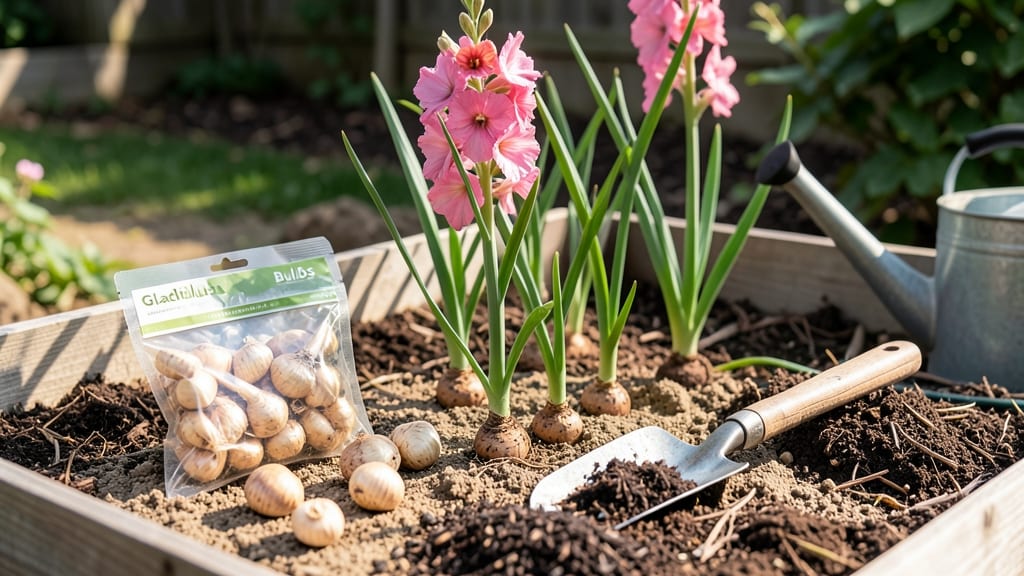
To plant gladiolus bulbs in Colorado, aim for mid-April to early June when soil temperatures rise above 50°F and the last frost has passed.
Colorado gardeners know the thrill of watching gladiolus spikes burst into vibrant summer color—but timing your planting wrong can mean missed blooms or frost-damaged bulbs. With Colorado’s unpredictable Zone 5-7 climate, knowing exactly when to plant these showstopper bulbs is the difference between a stunning garden and a gamble.
In this guide, I’ll break down the ideal planting window for your specific hardiness zone, whether you’re in Denver’s urban heat or the cooler Eastern Plains. You’ll also learn how to adjust for altitude, prepare your soil, and protect young shoots from late frosts.
By the end, you’ll have a foolproof timeline to get those 🌸 gladiolus blooms thriving all summer long—no guesswork required.
Optimal gladiolus planting dates in Colorado by hardiness Zone (5-7)
Colorado’s diverse USDA Zones 5-7 create unique challenges for gladiolus growers. Unlike coastal regions, our elevation-driven frost dates and short growing seasons demand precise timing. Plant too early, and frost will damage tender shoots; too late, and you’ll miss summer’s bold, vibrant blooms.
The key is understanding your specific zone’s last frost averages and adjusting for early vs. late varieties.
Most Colorado gardeners focus on spring planting (April-May), but summer planting is also an option for extended blooms. In Zone 5 (e.g., northern Colorado), where winters are harsher, aim for mid-April to early May—once soil temps hit 55°F+.
Meanwhile, Zone 7 (southern Colorado) can start as early as late March in protected microclimates. Always verify soil warmth with a soil thermometer—gladiolus bulbs need consistent warmth to thrive.
Here’s the non-negotiable rule: Plant gladiolus bulbs 4-6 weeks before your last frost date. This ensures roots establish before shoots emerge. For early blooming varieties (like ‘Green Star’ or ‘Picasso’), plant on the earlier side of the window. Late bloomers (such as ‘Black Pearl’ or ‘White Friendship’) can wait until mid-to-late May without sacrificing summer color.
| Zone | Last Frost Date | Ideal Planting Window | Soil Temp Requirement | Notes |
|---|---|---|---|---|
| Zone 5 | Mid-April | April 15–May 1 | 55°F+ | Use row covers for early starts; avoid planting before April 1. |
| Zone 6 | Early April | April 1–April 30 | 50°F+ | Front Range areas can start earlier; mountain valleys wait until mid-April. |
| Zone 7 | Late March | March 25–April 15 | 45°F+ | Southern Colorado; protect from late frosts with mulch. |
| All Zones | N/A | Summer Option: June 15–July 15 | 60°F+ | For late-season blooms; plant deeper (6") to avoid heat stress. |
For summer planting, shift your focus to June-July for a second flush of blooms. This works best in Zone 6-7 areas where summer heat is less extreme.
Plant bulbs 6 inches deep and water deeply to encourage root growth before Colorado’s dry spells set in. Late blooming varieties like ‘Pink Parfait’ or ‘Red Beauty’ thrive with this approach, extending your garden’s season until early fall.
Don’t overlook soil preparation—gladiolus bulbs demand well-draining, fertile soil. Amend heavy clay soils with compost or sand to prevent rot. A balanced 10-10-10 fertilizer applied at planting provides the phosphorus boost needed for strong root development.
In Zone 5, add a 2-3 inch mulch layer after planting to insulate bulbs from late frosts.
Colorado’s elevation variations play a huge role. Gardens in Denver (Zone 5-6) should follow the Zone 6 guidelines but monitor local frost alerts. Meanwhile, Colorado Springs (Zone 6-7) can push planting dates slightly earlier. Use the National Weather Service’s frost prediction maps or local Cooperative Extension offices for hyper-local advice.
Pro tip: Pre-sprout bulbs indoors in Zone 5 if you’re eager for early blooms. Place bulbs in a cool, dark spot (like a garage) for 4-6 weeks before transplanting outdoors.
This jumpstarts growth and compensates for Colorado’s short growing season. Just ensure shoots are 2-3 inches tall before planting to avoid transplant shock.
Watch for premature sprouting, a common issue in Colorado’s unpredictable springs. If shoots emerge before the last frost, protect them with row covers or cold frames. Conversely, if planting late, choose heat-tolerant varieties like ‘Safari’ or ‘Star of the Show’ to handle summer heat without bolting.
Remember: Gladiolus bulbs are not perennial in Colorado’s climate. Dig and store them after the first frost to replant next year. Cure bulbs in a dry, shady spot for 2 weeks before storing in cool, dark conditions (like a basement) until late winter.
This preserves their vigor for your next summer spectacle.
How Colorado’s microclimates affect gladiolus planting success
Colorado’s dramatic elevation shifts and urban heat islands create wildly different growing conditions—even within the same city. In Denver, downtown areas can be 5-10°F warmer than suburban neighborhoods, while mountain valleys like Boulder’s Flatirons experience sudden frost pockets that can delay planting by weeks.
These microclimates mean your gladiolus bulbs might thrive in one yard while struggling just miles away.
On the Front Range, gardeners in Colorado Springs (Zone 6) often plant 2-3 weeks earlier than those in Boulder (Zone 5), thanks to lower elevations and warmer nights.
Meanwhile, Western Slope areas like Grand Junction (Zone 7) enjoy a longer growing season, allowing for late summer plantings that simply won’t work in the mountains. Understanding these variations is key to avoiding frost damage or stunted growth.
⚠️ callout warning
For Boulder gardeners, the Flatirons’ late-spring frosts often push planting back until mid-May. Check local CoCoRaHS weather stations—these community networks track microclimates down to the block.
In Colorado Springs, the Pikes Peak region’s rapid temperature swings mean planting early May is ideal, while rural areas near Salida (Zone 5) may need to wait until late May to avoid black rot from cold, wet soils.
On the Western Slope, Grand Junction’s desert-like conditions allow for late summer plantings (June-July) of heat-tolerant varieties like ‘Black Star’ or ‘Green Star’. However, these same bulbs would bolt prematurely in Aspen’s Zone 4 microclimates.
Always match your gladiolus variety to your local frost-free days—aim for 90-120 days to maturity in cooler zones.
Pro tip: Use row covers in frost-prone areas to extend your planting window by 2-3 weeks. In urban Denver, these can protect bulbs from unexpected nighttime dips below 32°F, while in mountain valleys, they shield against radiation frosts that form in low-lying areas.
Test your microclimate by planting a trial row of bulbs in multiple spots—your garden’s secrets will reveal themselves!
Remember, altitude adjustments matter too. Every 1,000 feet gain in elevation shortens the growing season by 3-5 days. If you’re gardening above 7,000 feet, choose early-blooming varieties like ‘Picasso’ or ‘Green Thumb’ to beat the clock.
With these microclimate tweaks, your gladiolus will reward you with bold, healthy blooms—no matter where in Colorado you garden. 🌸