
Plants
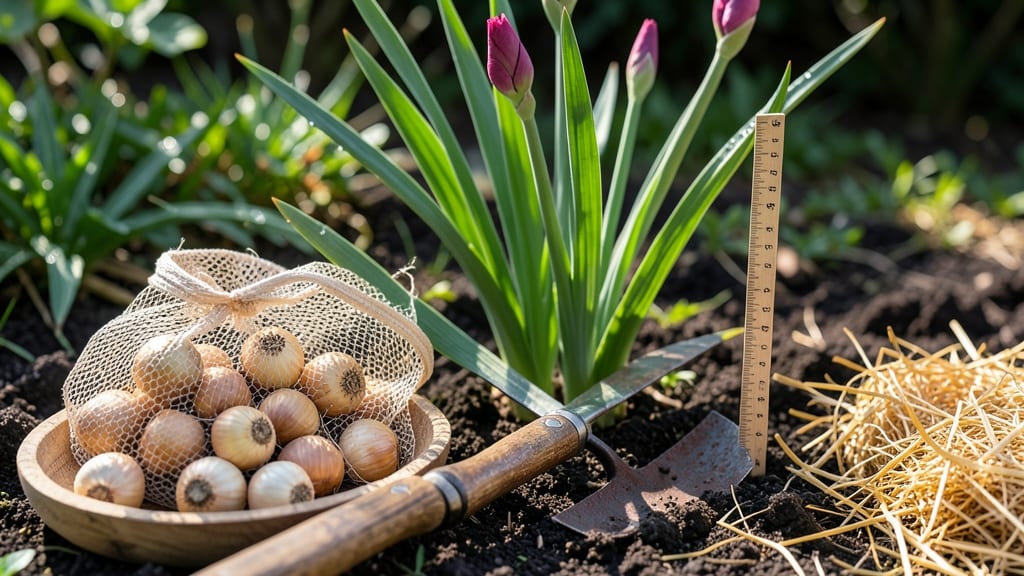
Plant gladiolus bulbs in Connecticut after your last frost date, typically mid-April, when soil temperatures reach 60°F or warmer 🌸 — timing them right is the difference between vibrant summer blooms and wasted effort.
Connecticut’s unpredictable spring frost can turn your gladiolus dreams into a gamble unless you time your planting just right. Mastering the perfect window ensures vibrant summer blooms from July to September, but getting it wrong risks frost damage or stunted growth.
Most gardeners in Connecticut’s Zone 6a aim to plant bulbs 4-6 weeks before the last frost, usually by early May. This gives roots time to establish before hot weather arrives, setting the stage for those towering 4-5-foot spikes of color.
Below, I’ll walk you through the exact frost-date triggers, soil prep tips, and variety-specific adjustments to guarantee your gladiolus thrive — no matter where in the state you garden.
Connecticut’s frost dates and ideal gladiolus planting windows
Gladiolus bulbs thrive in Connecticut’s Zone 5b-6a, but timing is everything—plant too early, and frost zaps your progress; too late, and you miss peak summer blooms. The key lies in soil temperatures and regional frost variations that shift from coastal Fairfield County to inland Hartford’s colder microclimates.
Most gardeners aim for mid-April to early May, but let’s break it down by county for precision.
Your planting window opens when daytime highs consistently reach 60°F+—this triggers bulb growth without risking frost damage. Coastal areas like New Haven often hit this mark 2-3 weeks earlier than inland Waterbury or Willimantic.
Use these frost-date averages as your guide, but always monitor your local forecast for surprises.
Here’s the non-negotiable rule: Plant gladiolus bulbs 4-6 weeks before your last frost date—this ensures roots establish before summer heat arrives.
For early bloomers (like ‘Attraction’ series), push planting to late March; for late-season varieties (like ‘Black Star’), wait until mid-May to extend your bloom time into September.
Pro Tip: Pre-sprout bulbs indoors in late winter (February-March) to jumpstart growth, then transplant when soil warms. This shaves critical weeks off your timeline—especially useful for short-season inland gardens.
Regional variations matter—coastal Connecticut (Fairfield, New London) enjoys earlier soil warming thanks to maritime influence, while inland areas (Litchfield, Hartford) play catch-up. Always test your soil with a thermometer—gladiolus roots need consistent 60°F+ temperatures to thrive.
Pro tip: Plant in raised beds or black plastic mulch to accelerate warming by 5-7°F.
Missed the window? Don’t panic. Gladiolus bulbs can handle light frosts if established, but avoid planting after June 1—late-season blooms may not mature before fall’s first frost. For extended blooms, stagger plantings every 2 weeks from April through June, mixing early and late varieties.
Watch for false springs—those unseasonably warm March days that lull you into early planting. Gladiolus bulbs won’t tolerate 32°F+ frosts, so wait for stable warmth. Use frost cloth as a safety net for coastal areas where late frosts sneak in after April 15.
Step-by-step gladiolus planting timeline for Connecticut gardeners
Timing is everything when planting gladiolus bulbs in Connecticut. Since our state’s last frost date typically falls around April 15, you’ll want to start preparing your soil and bulbs as early as March to ensure healthy growth.
Gladiolus thrive when planted 4-6 weeks before frost, giving roots time to establish before summer heat arrives. Skipping this window risks stunted blooms or frost damage to tender shoots.
For the best results, I recommend a two-phase approach: soil preparation in early spring and bulb planting in late spring. Connecticut’s USDA Zone 6a climate means we can push the envelope slightly later than northern neighbors, but don’t wait until June—late plantings often produce smaller, weaker blooms.
Let’s break down the exact steps to follow each month for foolproof gladiolus success.
🌱 Step-by-Step Gladiolus Planting Timeline
March: Soil Prep & Bulb Pre-Sprouting
- Test soil pH (6.0-7.0) and amend with compost if needed
- Start pre-sprouting bulbs indoors in trays (place near sunny window)
- Choose a sunny, well-drained garden bed (6+ hours of sun daily)
Early April: Final Soil Prep
- Work in 2-3 inches of compost or aged manure
- Loosen soil to 12 inches deep for root growth
- Check for rocky patches that could restrict bulbs
Mid-April: Plant Pre-Sprouted Bulbs
- Plant bulbs 4-6 inches deep (pointy end up!)
- Space 6 inches apart in rows 12 inches apart for airflow
- Water deeply after planting to settle soil
Late April-Early May: Harden Off & Fertilize
- Gradually acclimate indoor-sprouted bulbs to outdoor temps
- Apply balanced fertilizer (10-10-10) at planting depth
- Mulch with 2 inches of straw to retain moisture
May: Deadline for Late Varieties
- Plant late-blooming varieties by May 15 max
- Monitor for early shoots and protect from late frosts
- Stake taller varieties immediately to prevent flopping
Remember that gladiolus bulbs planted after May 15 in Connecticut often produce smaller blooms or may not flower at all before our first frost in October. The key is getting those bulbs in the ground when soil temperatures reach 60°F+—typically around mid-April for most of the state.
If you’re in coastal areas like New Haven, you might push planting a week later, but inland regions like Hartford should follow the earlier timeline.
After planting, maintain consistent moisture (about 1-2 inches per week) and fertilize every 4-6 weeks with a balanced formula. Your gladiolus will reward you with vibrant summer blooms from July through September—just in time for those classic Connecticut garden photos!
Don’t forget to deadhead spent blooms to encourage more flowers and prevent seed production.
Pro tip: For extended blooming, stagger your plantings by 2-3 weeks. This creates a continuous display from early July through frost. Just mark your calendar for May 15 as your final planting deadline—after that, you’ll be playing catch-up with Mother Nature! 🌸