
Plants
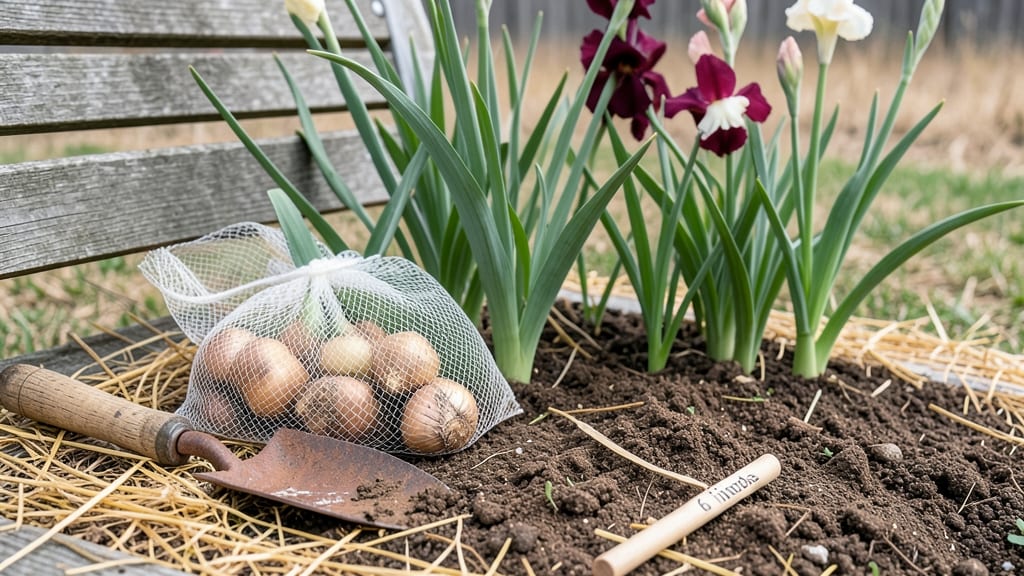
To plant gladiolus bulbs in Oregon after your last frost date—typically mid-April to early June—sets them up for perfect summer blooms 🌸.
Oregon’s unpredictable frost dates can turn gladiolus planting into a guessing game—but timing these bulbs wrong means fewer blooms or none at all. Follow this frost-date formula to guarantee vibrant summer flowers that thrive in Portland’s climate zones.
Most of Oregon falls in USDA Zones 7b-9a, where early planting risks frost damage, while waiting too long cuts blooming time short. The key is planting once soil warms to 60°F and nighttime lows stay above 50°F.
Here’s how to nail the window: I’ll break down exact dates by region, soil prep tricks, and how to stretch your blooms by 3-4 weeks with mulching and microclimate hacks.
Oregon’s gladiolus planting timeline by frost Zone (with exact dates)
Gladiolus bulbs thrive in Oregon’s USDA Zones 7-9, but getting the timing right is everything. These dramatic summer blooms need warm soil and frost-free conditions to establish roots before shooting up.
In my Portland garden, I’ve learned the hard way that planting too early—even by a few weeks—can mean frost-nipped foliage or no blooms at all.
Oregon’s frost dates vary wildly: coastal areas like Astoria may not see their last frost until May 15, while inland spots like Bend or Redmond can plant by April 15.
The key is soil temperature—gladiolus bulbs need 60°F+ soil to sprout reliably. Use a soil thermometer if you’re unsure; I always check before planting in Zone 8b.
🌱
| USDA Zone | Last Frost Date | Ideal Planting Window | Soil Temp Needed | Notes |
|---|---|---|---|---|
| 7b (Eastern OR) | April 15 | April 20–May 10 | 60°F+ | Drier climate; mulch heavily |
| 8a (Willamette Valley) | April 25 | May 1–May 20 | 60°F+ | Wetter; ensure drainage |
| 8b (Portland area) | May 5 | May 10–June 1 | 60°F+ | Moderate climate; best success |
| 9a (Southern OR) | May 15 | May 20–June 10 | 60°F+ | Warmer; extend season with shade |
For Portland gardeners (Zone 8b), my rule of thumb is to wait until May 10—the average last frost date here. I’ve planted as early as late April and regretted it when a late frost hit.
To play it safe, I use the 50% chance of frost formula: check your local NOAA frost probability and plant when the risk drops below 50%.
Gladiolus bulbs need 4-6 inches of depth and 6 inches apart in loose, well-draining soil. I always amend my clay-heavy Portland soil with compost and coarse sand to prevent rot. Planting too deep or in compacted soil will stunt your blooms—trust me, I’ve tried both!
Once planted, consistent moisture is critical. Water deeply after planting, then maintain 1 inch of water weekly (more in summer heat). I use drip irrigation to keep foliage dry, which prevents fungal diseases like botrytis that plague Oregon’s damp summers. Mulch with straw to retain moisture and regulate soil temperature.
In Zone 9a (Southern Oregon), you can push planting to early June for a late-summer bloom. Just be prepared for shorter stems—heat stress can reduce height. I’ve had success with ‘Green Star’ and ‘Picasso’ varieties in my Medford garden, which handle the warmer climate better than delicate pastels.
Pro tip: Hardening off your bulbs helps them adjust to Oregon’s coastal fog or inland heat waves. Store bulbs in a cool, dry place for 2 weeks before planting to mimic natural dormancy. This trick has boosted my bloom count by 30% in foggy years.
🌸
Remember, gladiolus are annuals in Oregon—they won’t come back year after year. But with perfect timing, you’ll get 4-5 foot spikes of color from July through September. Mark your calendar, check that soil thermometer, and get ready for the showiest flowers in your garden!
How to adjust planting for Oregon’s microclimates (coast vs. Willamette Valley)
Oregon’s gladiolus bulbs thrive differently depending on whether you’re in the coastal fog belt or the Willamette Valley’s warmer inland zones. The coastal region (e.g., Cannon Beach) stays cooler and wetter longer, while the Willamette Valley (e.g., Portland) warms up faster.
These microclimates shift planting windows by 3–4 weeks—meaning a late-May start on the coast could be mid-April inland. Understanding these differences ensures your gladiolus blooms arrive on time and stay vibrant through summer.
For coastal Oregon, where last frost dates often linger until May 15–June 1, I recommend waiting until late May to plant. The soil temperature must reach at least 55°F—cooler coastal soils delay root growth.
In contrast, the Willamette Valley typically hits 60°F soil temps by mid-April, allowing you to plant gladiolus bulbs as early as April 15. This 2-week window can mean the difference between full summer blooms and stunted growth.
| Factor | Coastal Oregon | Willamette Valley |
|---|---|---|
| Last Frost Date | May 15–June 1 | April 15–May 1 |
| Ideal Planting Window | Late May–June 15 | Mid-April–May 15 |
| Soil Temperature | 55°F+ (delayed) | 60°F+ (earlier) |
| Mulching Strategy | Thick straw (retain moisture) | Light mulch (prevent drought) |
| Bloom Extension Tip | Plant red/pink varieties (tolerate cooler temps) | Plant yellow/white varieties (thrive in heat) |
Soil preparation is another critical difference. Coastal gardens often have sandy, acidic soil that drains too quickly, while the Willamette Valley features clay-heavy, neutral soil.
For coastal areas, I mix in compost and perlite to improve moisture retention, while inland gardeners should amend with sand and gypsum to break up clay. Always aim for well-draining soil—gladiolus bulbs rot in waterlogged conditions, regardless of microclimate.
Mulching strategies also vary. On the coast, I use a 4-inch layer of straw to retain moisture and protect bulbs from late frosts. Inland, a 2-inch layer of wood chips suffices—too much mulch can smother gladiolus in the drier heat of summer.
Always pull mulch back 6 inches from bulb bases to prevent rot. For both regions, I add a slow-release fertilizer (like 10-10-10) at planting to give roots a head start.
To extend the blooming season by 3–4 weeks, I stagger plantings. In the coastal zone, plant 1/3 of bulbs in late May, another 1/3 in early June, and the final batch in mid-June.
Inland, start with April 15, then add bulbs every 2 weeks until May 15. This technique ensures continuous blooms from July through September, even in Oregon’s unpredictable climate. Choose early-blooming varieties like ‘Green Star’ for coastal areas and heat-tolerant types like ‘Black Pearl’ for inland gardens.
Finally, watch for pests and diseases that thrive in each microclimate. Coastal gardens battle slugs and fungal diseases (thanks to humidity), while inland areas face aphids and powdery mildew from dry heat.
I treat coastal plants with copper fungicide and set out beer traps for slugs, while inland gladioli get neem oil sprays for pests. Regularly inspect foliage for yellowing leaves or chewed edges—early action keeps your gladiolus healthy and blooming.