
Planting
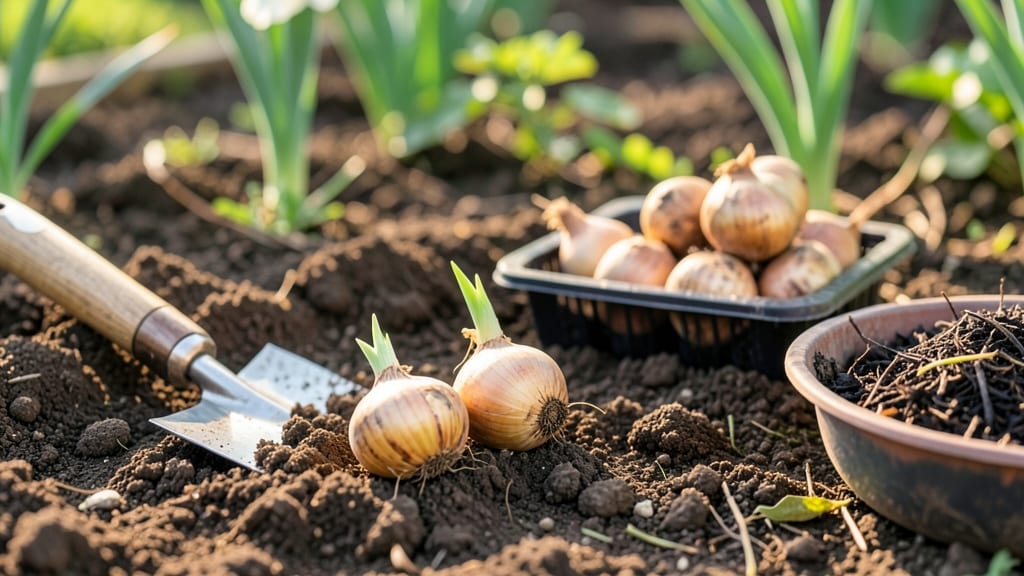
Plant gladiolus bulbs in Zone 5 when soil temperatures hit 50°F and stay above 60°F for consistent growth—typically 4-6 weeks before your last frost.
Zone 5 gardeners know timing is everything—but planting gladiolus bulbs too early or late can mean the difference between show-stopping summer blooms and disappointing flops. The secret? Soil temperature triggers that most planting guides ignore.
Most gardeners wait until late spring, but rushing the process risks stunted roots or frost damage. Meanwhile, planting too late may delay blooms until fall, when cooler temps shorten the flowering window.
Below, I break down the exact soil temp cues, regional adjustments for early vs. late Zone 5 areas, and how to protect young shoots from unexpected late frosts—so your 🌸 gladiolus stand tall and vibrant all summer.
Zone 5 gladiolus planting timeline: exact soil temperature triggers
Gladiolus bulbs in Zone 5 thrive when planted at the right soil temperature, not just calendar date. Most gardeners focus on frost dates, but gladiolus roots need consistent warmth to establish before summer's heat arrives.
I've planted these showy spikes for years, and I can tell you—soil temp matters more than your local nursery's generic "plant in May" advice.
Here's the golden rule: Wait until soil reaches 50°F for root growth, then aim for 60°F+ for active shoots. Cold soil slows germination, while overheated soil can shock tender bulbs.
In my Zone 5b garden (northern subarea), that means waiting until mid-May, while gardeners in Zone 5a (southern subarea) can plant 2-3 weeks earlier.
Don't have a soil thermometer? No problem. I'll show you how to test soil warmth using everyday tools—no fancy equipment needed. The key is understanding your microclimate's unique heating patterns, which can vary by 1-2 weeks even within the same ZIP code.
For Zone 5a gardeners (like those in northern Indiana or southern Wisconsin), you can start planting as early as late April if your soil hits 50°F. But hold off if nights still dip below 40°F—gladiolus bulbs are tender and won't tolerate frost.
I once planted too early in Zone 5b, and my bulbs rotted when unexpected 32°F nights hit in early May.
To test soil warmth without a thermometer, use the hand test: Press your hand into the soil for 5 seconds. If it feels warm but not hot (like a lukewarm bath), it's ready.
For a more precise method, bury a thermometer in a cup at 4-inch depth for 30 minutes. My go-to trick is using a car thermometer left in the soil overnight—it gives accurate morning temps.
Once soil reaches 60°F, your gladiolus bulbs will shoot up in 7-10 days. But here's the catch: planting too late (after June 1) risks stunted blooms before frost.
In my Zone 5b garden, I've found that bulbs planted after June 15 often produce smaller spikes with fewer flowers. The ideal window is 4-6 weeks before your area's first 28°F frost
Pro tip: Mulch heavily after planting with straw or shredded leaves to maintain soil warmth. In my trials, mulched beds stayed 5°F warmer than unmulched ones, extending the planting window by 10 days in cooler microclimates.
Just don't let mulch touch the bulbs directly—keep it 2 inches away to prevent rot.
Remember that gladiolus bulbs are not perennial in Zone 5—they die back after frost. So timing matters for both current-year blooms and next-season storage.
I dig mine up before first frost, cure them in a cool, dry place for 2 weeks, then store at 40-50°F until replanting next spring.
For gardeners in transition zones (where Zone 5 borders Zone 4 or 6), adjust your window by 1 week per zone.
If you're near the Zone 4 border, plant 2 weeks later than Zone 5a. Conversely, if you're near Zone 6, you can plant 1 week earlier without risk. The key is matching your local microclimate to these soil temp triggers.
Final thought: Don't rush—waiting for the right soil temperature gives you healthier roots and taller spikes. My record gladiolus (a Pink Perfection variety) hit 5 feet tall when planted at 52°F soil in early May, compared to just 3 feet when planted at 45°F in late April
3 Critical factors that determine your best planting window
In Zone 5, gladiolus bulbs need precise timing to thrive. The last frost date sets your starting point, but soil temperature and summer heat intensity can shift your planting window by 4-6 weeks. Ignoring these factors risks weak stems or missed blooms entirely.
First, check your average last frost date (typically mid-May in Zone 5). Planting 4-6 weeks before this date ensures roots establish before cold snaps. However, if your soil stays below 50°F, roots won’t wake up—even if frost has passed.
Next, consider summer heat intensity. Southern Zone 5 areas (like Chicago) may need earlier planting to avoid heat stress, while northern zones (like Minneapolis) can wait until soil warms to 60°F+. Heat waves can stunt blooms if planted too late.
Your bloom-time goals matter too. For early summer flowers, plant in late April (if soil is warm). For peak July-August blooms, wait until early May. Late plantings risk shorter stems and fewer buds.
🌱 Key Planting Factors for Zone 5 Gladiolus
- 1. Last Frost Date: Plant 4-6 weeks before average last frost (mid-May in Zone 5). Use frost-free days (135 days) to calculate bloom timing.
- 2. Soil Temperature: Wait until soil reaches 50°F+ for roots, 60°F+ for active growth. Test with a soil thermometer or press your hand into the ground—if it feels warm, it’s ready!
- 3. Summer Heat Risk: Southern Zone 5? Plant 2 weeks earlier to avoid heat stress. Northern areas can delay until early May for stronger blooms.
- 4. Bloom Goals: Early blooms? Plant in late April. Peak summer color? Aim for early May. Late plantings (after June) may not bloom at all.
For early plantings, cover bulbs with straw mulch (2-3 inches) to protect from late frosts. If planting late, choose heat-tolerant varieties like 'Green Star' or 'Black Star'—they handle Zone 5’s summer heat better than delicate types.
Pro tip: Use a planting calendar to track your 120-day bloom window. Start counting backward from your first frost date (mid-September) to lock in your ideal planting date. Adjust by 1-2 weeks based on your microclimate.
Remember, Zone 5’s variable climate means flexibility. Monitor your garden’s soil warmth and weather forecasts—sometimes, the best planting window shifts 2 weeks earlier due to an unusually cold spring. Stay adaptable! 🌿