
Plants
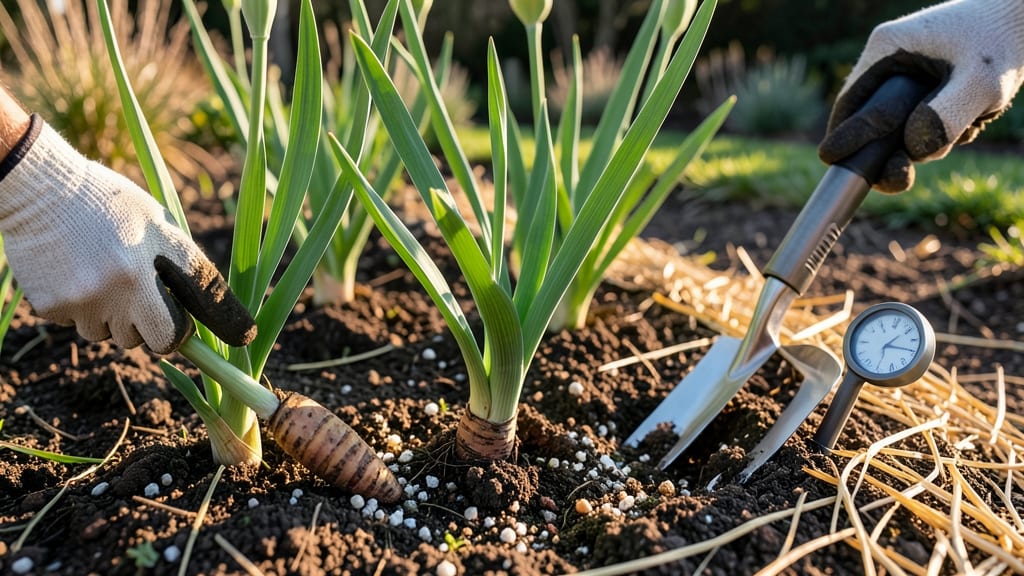
Planting iris bulbs in Canada requires precise timing—late summer to early fall is the sweet spot for most regions, but missing the window can mean no blooms next spring.
Picture this: you’ve picked out your favorite 💜 iris varieties, only to watch them fail because you planted too early or too late. The difference between a thriving garden and a wasted effort often comes down to knowing your province’s frost-free dates.
From British Columbia’s milder climate to the deep freezes of Atlantic Canada, the ideal planting window shifts dramatically. Whether you’re in USDA Zone 3a or 9b, the key is planting after the foliage dies back but before the ground freezes.
In this guide, I’ll break down the exact timing by province, share soil prep secrets, and reveal how to adjust for early frosts—so your irises burst into color next spring.
Canada’s frost-free zones for iris bulb planting: province-by-province timeline
Iris rhizomes thrive when planted after the summer heat but before fall frosts arrive. In Canada, this window shifts dramatically from Zone 9b in coastal BC to Zone 3a in northern Ontario—meaning your timing must align with your province’s last frost dates and soil temperature trends.
Plant too early, and rhizomes rot; too late, and they won’t establish roots before winter. Let’s break down the ideal planting dates for each region.
Most Canadian gardeners aim to plant iris rhizomes between mid-August and mid-October, but microclimates—like urban heat islands or coastal moderation—can shift this by 2-4 weeks.
For example, Vancouver’s mild winters allow planting until late October, while Saskatchewan’s harsh frosts demand rhizomes in the ground by early September. Always check your local frost-free date (typically 2-4 weeks before the average first frost) to avoid risk.
Here’s your province-by-province guide, including USDA zones, optimal planting windows, and regional tips to maximize success. Use this as your planting calendar—and don’t forget to adjust for elevated areas (frost arrives earlier) or south-facing slopes (warmer microclimates).
⚠️ PRO TIP: Iris rhizomes are not true bulbs—they’re thick, fleshy roots that need to dormant before winter. Plant them after foliage yellows (late summer) but before hard frosts (28°F/-2°C).
| Province | USDA Zone | Last Frost Date | Optimal Planting Window | Key Notes |
|---|---|---|---|---|
| British Columbia | 6b–9b | Mid-April to early May | Late August to mid-October | Coastal areas (e.g., Vancouver) can plant until late October. Inland zones (e.g., Okanagan) finish by mid-September. |
| Alberta | 3a–6a | Mid-May to early June | Mid-August to early September | Southern Alberta (e.g., Calgary) can extend to late September. Northern regions (e.g., Grande Prairie) must plant by mid-August. |
| Ontario | 3b–7a | Late April to early June | Late August to mid-October | Southern Ontario (e.g., Toronto) can plant until late October. Northern Ontario (e.g., Sudbury) must finish by early September. |
| Quebec | 2b–6a | Mid-May to early June | Mid-August to early October | Montreal area can plant until mid-October. Northern Quebec (e.g., Quebec City) must finish by early September. |
| Atlantic Canada | 4a–6b | Late May to early June | Late August to mid-September | Nova Scotia and PEI can extend to early October. Newfoundland must plant by mid-August. |
| Saskatchewan/Manitoba | 2a–5a | Early May to late May | Mid-August to early September | Southern regions (e.g., Regina) can plant until late September. Northern areas (e.g., Winnipeg) must finish by mid-August. |
In British Columbia, where mild winters dominate, you’ve got the longest planting window—up to mid-October in coastal areas. But inland zones like the Okanagan Valley (USDA 7b-8a) mimic Alberta’s timeline, with frosts arriving by mid-October.
Always check your local weather station for soil temperature trends; rhizomes need 50–60°F (10–15°C) to root before winter dormancy.
For Alberta and Saskatchewan, early planting is critical. The Prairie Provinces’ dry climate means rhizomes can rot if planted too late, even if frosts haven’t arrived. Aim to get them in the ground by early September in Zone 4-5 areas.
Use sand or grit in heavy clay soils to improve drainage—this is non-negotiable for iris health
How to adjust iris planting time for early/frost-prone areas in Canada
In frost-prone regions like Northern Ontario or Atlantic Canada, the standard August-to-October iris planting window can feel like a moving target. Cold snaps, early frosts, and short growing seasons demand creative adjustments to ensure your iris rhizomes establish before winter.
The key is to extend the growing season and protect your plants from premature dormancy.
I’ve learned that earlier planting (even as early as late July) and strategic mulching can make all the difference.
For example, in Zone 3a, where winters are harsh, I plant my early-blooming varieties like ‘White Swan’ or ‘Katherine Hodgkin’ in containers—this gives me flexibility to move them indoors or under a cold frame if frost threatens.
- 📅 Plant 4-6 weeks earlier (late July) to give rhizomes time to root before frost. Aim for soil temps of 55°F (13°C) or warmer.
- 🌡️ Use row covers or cold frames to protect newly planted rhizomes if early frost hits (temps below 40°F (4°C)).
- 🪴 Opt for containers—plant in well-draining pots and move indoors (garage, unheated shed) when temps drop below 32°F (0°C).
- 🌿 Choose early-blooming varieties like ‘Purple Sword’ or ‘Blue Flag’, which tolerate cooler soils better than late bloomers.
- 🍂 Mulch heavily with straw or leaves (4-6 inches) after planting to insulate rhizomes and prevent freeze-thaw cycles.
One trick I swear by is pre-chilling rhizomes for 4-6 weeks before planting. Store them in a cool, dark place (like a fridge crisper) to mimic winter dormancy—this jumpstarts root growth once planted.
For in-ground planting, I bury rhizomes deeper (4-5 inches) in colder zones to protect them from temperature fluctuations at the soil surface.
If you’re in a Zone 4 or colder, consider dividing and replanting every 2-3 years. Older rhizomes struggle in harsh winters, and younger divisions establish faster. I’ve found that ‘German Iris’ varieties handle cold better than bearded irises, so I prioritize those in my Northern Ontario garden.
For container-grown irises, I plant them in fabric pots filled with a mix of sand, perlite, and compost to ensure drainage. When frost threatens, I wrap the pots in bubble wrap and store them in an unheated garage.
This method has let me grow irises successfully in Zone 3a for over 5 years!
Remember, the goal is to balance root establishment with frost protection. In my experience, the earlier you plant (within reason) and the better you insulate, the more resilient your irises will be. With these adjustments, you’ll be rewarded with vibrant blooms even in Canada’s coldest climates. 🌷