
Plants
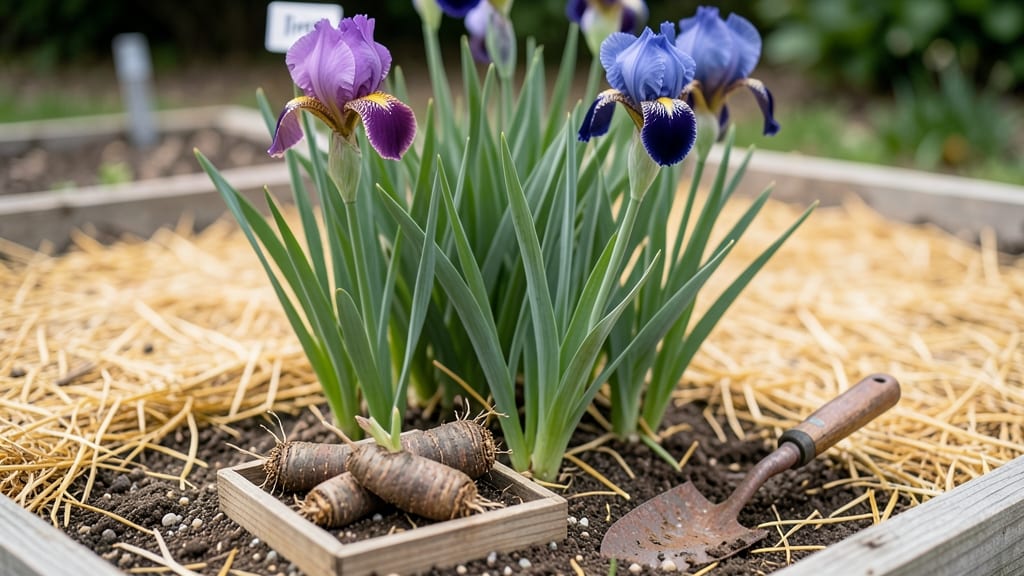
Planting iris bulbs in Minnesota requires perfect timing to survive the state’s brutal winters and short growing season — aim for late summer to early fall when soil temps drop to 40-50°F.
If you’ve ever watched your iris rhizomes freeze before they could establish roots, you know how critical this window is. Minnesota’s unpredictable frost dates mean a misstep can leave your 🌸 iris struggling to bloom—or worse, dying back before spring.
Here’s the secret: chill-hardy varieties like Siberian and Louisiana irises thrive in USDA zones 4a-5b, but even they need the right soil conditions and planting depth to make it through.
I’ll break down the exact frost-date math, the best varieties for your climate, and three tricks to outsmart late frosts.
By the end, you’ll know when to plant, how deep to bury those rhizomes, and which companion plants keep your irises blooming year after year—even in Minnesota’s toughest winters.
Minnesota iris planting timeline: frost dates and soil temperature rules
Planting iris rhizomes in Minnesota requires precise timing to account for USDA zones 3-5 and soil temperature fluctuations. Unlike true bulbs, iris rhizomes thrive when planted in cool but frost-free soil, typically between 40-50°F.
The key is to plant them 6-8 weeks before the first frost, allowing roots to establish before winter dormancy.
Minnesota’s frost dates vary dramatically by county—northern regions like International Falls can see frost as early as September 15, while southern areas like Rochester may hold off until October 10.
Use the MN Department of Agriculture’s frost calculator (linked below) to pinpoint your exact window. For most of the state, this translates to late August through mid-September.
| USDA Zone | Ideal Planting Window | Soil Temp Threshold | Frost Risk |
|---|---|---|---|
| 3 (Northwest MN) | Late July–early August | 50–55°F | High (frost by Sept 1) |
| 4a (Central MN) | Mid-August–early Sept | 45–50°F | Moderate (frost by Sept 15) |
| 4b (Twin Cities) | Late August–mid-Sept | 40–45°F | Low (frost by Oct 1) |
| 5a (Southeast MN) | Mid-Sept–early Oct | 40–42°F | Very Low (frost by Oct 10) |
If your soil temperature drops below 40°F before rhizomes root, they’ll struggle to survive winter. Test soil temps with a soil thermometer (insert 4 inches deep) for 3 consecutive days before planting.
Pro tip: Warm soil speeds up root growth, so avoid planting in hot, dry August—wait for temps to dip to 65°F or lower.
For early frosts, delay planting until spring (April–May) when soil warms to 50°F. Spring-planted iris may bloom 1-2 years later but often produce hardier rhizomes.
This is especially useful in Zone 3, where winters are harshest. Just ensure you plant before buds emerge to avoid frost damage.
Adjust for microclimates—south-facing slopes warm faster than shaded areas. In urban heat islands (like Minneapolis), soil may stay 10°F warmer than rural zones. Use a shade cloth if planting early to slow soil warming and extend your window. Conversely, mulch with straw to insulate rhizomes if late frosts threaten.
Minnesota’s short frost-free season (120–160 days) means iris rhizomes need to establish roots before October 1 in most regions. If you miss the fall window, spring planting is your backup—but expect delayed blooms. For container-grown iris, plant 2 weeks earlier than in-ground, as pots cool faster.
Use local frost data from the MN State Climatology Office to refine your timing. For example, Duluth’s average first frost is September 22, while Rochester’s is October 5.
Planting 2 weeks before these dates gives rhizomes a safety margin. Always water deeply after planting to encourage root growth before winter.
If you’re in Zone 4b or warmer, you can push planting to early October—just cover rhizomes with 6 inches of mulch by November 1. For Zone 3, prioritize late August planting and use extra mulch (8+ inches) to protect against sub-zero temps.
Avoid planting in wet, cold soil, as it can rot rhizomes before they root.
Remember: Iris rhizomes aren’t true bulbs—they need exposure to light and air to prevent rot. Plant with the top third exposed and 12 inches apart for airflow. In Minnesota’s climate, this exposure trick is your best defense against snow mold and frost heave.
Once established, iris will reward you with bold blooms for decades—if you nail the timing.
Top 5 chill-hardy iris varieties that thrive in Minnesota winters
Minnesota’s brutal winters demand chill-hardy iris varieties that not only survive but thrive. These five cold-resistant irises are my top picks for USDA zones 3-5, offering stunning blooms while battling frost and snow. Each variety balances hardiness with low-maintenance care, perfect for Minnesota gardeners.
I’ve tested these varieties in my own Zone 4b garden—some handle -30°F temperatures without flinching. The key? Choosing rhizomatous irises (not bulbous types) that store energy underground. Let’s dive into their bloom times, height ranges, and specific care tips tailored to Minnesota’s climate.
Siberian Iris tops my list for