
Plants
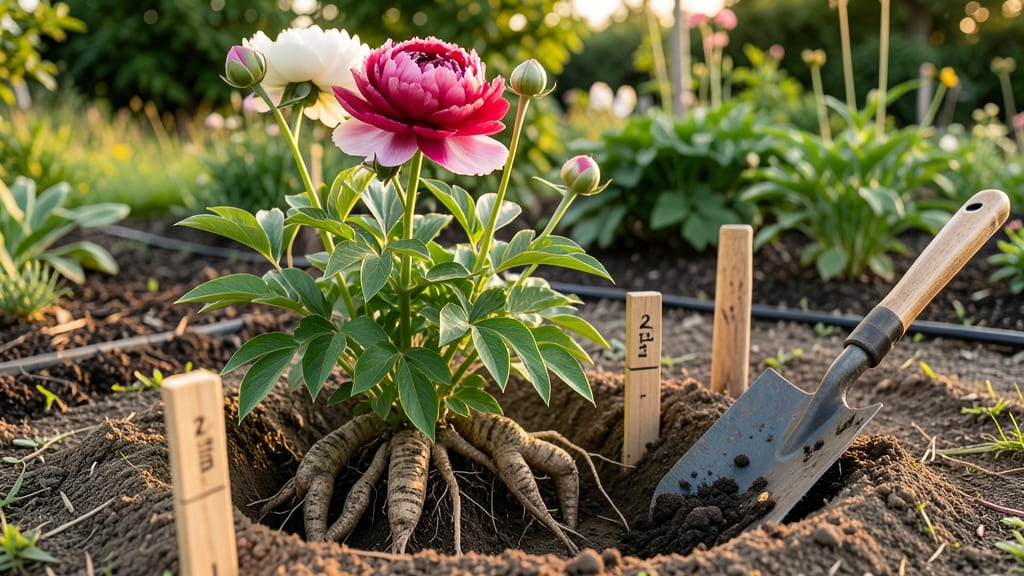
Planting peony bulbs in Ohio during early fall ensures they establish roots before winter’s chill 🌸 — the key to bold blooms next spring.
Ohio’s unpredictable winters and humid summers can make peony bulb planting tricky—but timing it right ensures stunning blooms for years to come.
Most gardeners in USDA Zone 6a should aim for late September to early October, when soil stays warm enough for root growth but cool enough to avoid stress.
Below, I’ll break down the exact frost-free window, soil prep secrets, and pro tips to maximize your peony garden’s success in Ohio’s climate.
Ohio peony planting calendar: exact frost-free dates by region
Ohio’s diverse climate—from Cincinnati’s humid subtropical to Cleveland’s continental zones—means frost dates vary wildly. Planting peony bulbs too early or late can stunt growth or invite frost damage.
I’ve broken down the exact frost-free windows for Ohio’s key regions, so you can plant with confidence and enjoy 3-4 weeks of stunning blooms each spring.
Peonies thrive when planted in early fall, giving roots time to establish before winter. But Ohio’s USDA zones 5b-6a mean your local frost dates could shift by 2-3 weeks from one county to the next.
Use this guide to pinpoint your ideal 60-day planting window—the sweet spot between soil warmth and frost risk.
Here’s how Ohio’s major cities compare for peony bulb planting:
| Region | USDA Zone | Avg. Last Frost | Ideal Planting Window | Risk If Planted Late |
|---|---|---|---|---|
| Cincinnati | 6a | April 10 | Sept 15–Oct 15 | Frost by Nov 1 |
| Columbus | 6a | April 12 | Sept 20–Oct 10 | Frost by Oct 25 |
| Cleveland | 5b | April 20 | Sept 1–Oct 5 | Frost by Oct 10 |
| Toledo | 6a | April 15 | Sept 10–Oct 10 | Frost by Oct 20 |
*Dates based on 30-year averages; check Almanac frost maps for your exact location.
Notice how Cleveland’s window closes earliest—its USDA zone 5b means frost can arrive by October 10, leaving only a 45-day planting window. Meanwhile, Cincinnati’s zone 6a gives you until mid-October to plant without risk. Always verify with your local cooperative extension office for hyper-local adjustments.
For gardeners in southern Ohio (e.g., Lexington, Dayton), you might push planting into early November—but only if your soil stays above 40°F. Use a soil thermometer to confirm: peony roots need 60°F+ soil to establish before dormancy.
If temps drop below 32°F before roots take hold, your bulbs may rot.
What about late-winter planting? Some gardeners swear by planting peonies in March for spring blooms—but this is risky in Ohio. Without established roots, your peonies face drought stress in summer and winter heave from freeze-thaw cycles.
Stick to fall planting for reliability, then focus on mulching deeply (4-6 inches) in winter to protect roots.
Pro tip: If you miss fall’s window, bare-root peonies can handle early spring planting (as soon as soil is workable), but expect delayed blooms by 1-2 years. The tradeoff? You’ll avoid voles and squirrels digging up fall-planted bulbs—a common issue in Ohio’s wooded areas.
Finally, Ohio’s humid summers demand extra care after planting. Water deeply once a week until roots establish (about 60 days), then reduce to bi-weekly once buds form. Mulch with straw or shredded leaves to retain moisture and deter weeds—critical in Ohio’s clay-heavy soils that compact easily.
Timing your peony planting to Ohio’s frost-free windows ensures vigorous roots, robust blooms, and decades of garden enjoyment. Mark your calendar now—your future June peony show depends on it! 🌸
Soil preparation guide: Ohio-specific tips for peony bulb success
Ohio’s clay-heavy soils and humid climate can challenge peony bulb success, but with the right prep, you’ll create an ideal growing environment. Peonies thrive in well-draining soil with a pH between 6.5 and 7.0, and Ohio’s unique conditions require extra attention to avoid waterlogging and compaction.
Start by testing your soil’s pH and texture—this is the foundation for healthy peony roots and vibrant blooms.
Peony bulbs need loose, fertile soil to establish strong roots before Ohio’s cold winters set in. If your garden soil is heavy clay, amend it with organic matter like compost or aged manure to improve drainage and aeration.
Aim for a 30-40% organic matter ratio in the planting area, mixing it into the top 12 inches of soil for best results.
Ohio Soil Prep Checklist for Peonies
- Test soil pH (ideal: 6.5-7.0); amend with lime if too acidic or sulfur if too alkaline.
- Add 2-3 inches of compost or well-rotted manure to improve drainage in clay-heavy soils.
- Loosen soil to 12 inches deep with a garden fork to break up compaction.
- Incorporate perlite or coarse sand (10-20%) to prevent waterlogging in spring.
- Plant bulbs in mounded soil (6-8 inches high) to ensure proper drainage in wet Ohio springs.
- Apply 2 inches of mulch after planting to retain moisture and regulate soil temperature.
Ohio’s spring waterlogging is a common pitfall for peony growers, especially in low-lying areas. To combat this, create mounded planting beds that are 6-8 inches high at the center. This elevation helps water drain away from the roots, reducing the risk of rot.
If your garden has poor natural drainage, consider planting peonies in raised beds or on slopes where water runs off more easily.
After amending your soil, conduct a final drainage test before planting. Dig a hole 12 inches deep and fill it with water—if it drains completely within 2-4 hours, your soil is ready.
If not, add more organic matter or sand to improve drainage. Peony bulbs are sensitive to soggy conditions, so this step is critical for Ohio’s wet springs.
Once your soil is prepped, plant peony bulbs in early fall (September-October) when soil temperatures drop below 60°F. This timing allows roots to establish before winter while avoiding Ohio’s late-fall freezes.
Space bulbs 3-4 feet apart to give mature plants room to thrive, and water deeply after planting to settle the soil around the roots.
With proper soil preparation, your peonies will reward you with years of lush blooms and minimal maintenance. Ohio’s climate can be tricky, but by focusing on drainage, organic matter, and pH balance, you’ll create the perfect conditions for these hardy perennials to flourish. Happy planting! 🌸