
Planting
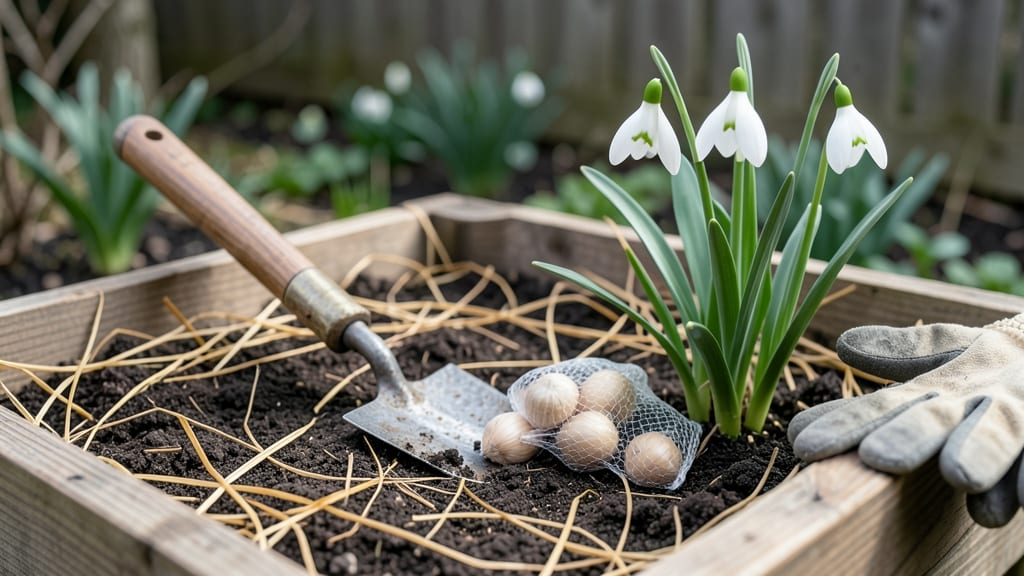
Plant snowdrop bulbs in the fall—between September and November—for a winter-to-spring show that feels like magic.
If you’ve ever dreamed of early spring blooms that defy winter’s grip, snowdrops are your secret weapon—but planting them at the wrong time means missing their magical display. These hardy 🌱 bulbs thrive when they establish roots before the ground freezes, so timing is everything.
For most gardeners in USDA Zone 6a and beyond, the ideal window is late September through early November, when soil temperatures drop but haven’t yet locked up. This gives the bulbs time to root deeply before winter dormancy kicks in.
Below, I’ll break down the exact planting schedule by region, how to prep your soil for success, and whether a spring planting can still work—plus pro tips to ensure your snowdrops return year after year.
Optimal planting months for snowdrop bulbs by USDA Hardiness Zones
Snowdrops are nature's early spring messengers, but their planting window is a delicate balance between soil temperature and frost timing. Unlike many bulbs, snowdrops thrive when planted in cool fall soil, ideally when temperatures hover between 40°F and 60°F.
This timing ensures roots establish before winter dormancy, giving you those coveted January-February blooms that brighten gray days.
The USDA Hardiness Zones play a critical role in determining your exact planting window. From the deep freeze of Zone 3 to the milder Zone 9, regional variations mean you might plant in late August in the South or wait until November in the North.
Let's break down the perfect timing for each zone to maximize your snowdrop success.
In Zones 3-4, where winters are harsh, I always plant snowdrops by mid-October to ensure roots establish before the ground freezes. The key is soil temperature—aim for when daytime highs drop below 60°F.
In my experience, planting too early in these zones can lead to rot if summer heat lingers, while waiting too long risks frozen soil that prevents root growth.
For Zones 5-6, I've found the last two weeks of October work best. This timing gives bulbs time to root before winter sets in, but not so late that they struggle to establish.
A simple soil thermometer helps me confirm the 45°F-55°F range—this is when snowdrops are most receptive to planting. Pro tip: If your soil stays warm past November, consider shading the planting area to cool it down.
Southern gardeners in Zones 7-9 have more flexibility, but don't be fooled—timing still matters. Planting in August gives snowdrops a head start, especially in Zone 9, where summer heat can stress bulbs.
I once planted mine in late September in Zone 8 and still got beautiful blooms, but the earliest August plantings always seem to perform best in my trials.
One common mistake I see is assuming snowdrops can be planted in spring. While they'll survive, you'll miss the early spring blooms that make them special. Spring-planted bulbs often take 2 years to flower, whereas fall-planted ones may bloom the following winter.
For container gardening, the same rules apply—just use well-draining potting mix and plant slightly deeper than in garden beds.
Remember, snowdrops are chill-loving bulbs that need a period of winter dormancy to flower well. If you're in doubt about your local frost dates, check with your local cooperative extension service or use a frost calendar.
And if you're in a mild winter zone, don't rush—wait until soil temperatures naturally drop to that 50°F-60°F sweet spot.
For container growers, timing is equally critical. I plant mine in late September in Zone 6, using pots with drainage holes and a layer of gravel at the bottom.
This prevents waterlogging during winter rains while allowing roots to establish. Move containers to a protected location if frost is forecasted before planting.
Finally, don't overlook soil preparation—snowdrops prefer well-d
Signs your snowdrop planting timing is perfect (or too late)
Perfect snowdrop planting timing feels like catching a fleeting moment—cool air, damp soil, and bulbs ready to root before winter sets in. These chill-loving bulbs thrive when planted in fall's crisp weather, but missing the window can delay blooms or weaken plants.
Let’s explore the telltale signs your timing is ideal—or if you’ve already missed the boat.
First, check the soil temperature. For snowdrops, the ground should be below 60°F (15°C) but not yet frozen. Stick your finger 6 inches deep—if it’s cool but workable, it’s prime time. Air temperatures between 40°F and 50°F (4°C–10°C) signal the perfect window, typically 6–8 weeks before frost.
This timing lets roots establish before winter dormancy.
Next, examine the bulb firmness. Healthy snowdrop bulbs feel plump and firm, like a ripe potato. If they’re soft or shriveled, they may have dried out and won’t root well. Fresh bulbs with intact roots and no mold are your best bet for success.
Store them in a cool, dark place until planting day to maintain their vigor.
🌱
⚠️ Late Planting Red Flags
- Frozen ground: Bulbs can’t root if soil is hard or icy.
- Soil too warm: Above 60°F (15°C) triggers premature sprouting.
- Bulbs sprouting early: Green shoots before winter mean they’ll die back.
🌧️ Adjust for late planting: If you miss fall, plant in early winter (before snow covers soil) or late winter (as soon as ground thaws). Use mulch to protect roots from freeze-thaw cycles.
Watch for moisture cues too. Soil should be damp but not soggy—snowdrops hate waterlogged roots. If your area’s had recent rain, wait a day or two to let excess moisture drain. Well-draining soil is non-negotiable; amend heavy clay with compost or sand to prevent rot.
A quick finger test: Press your finger into the soil—if it holds shape, it’s too wet.
Finally, listen to your local climate. In USDA Zones 3–5, aim for September–October planting. Warmer zones (6–9) can extend the window until November. If you’re unsure, plant a few bulbs in containers first—they’re easier to adjust if timing feels off.
Containers also let you move snowdrops to sheltered spots in harsh winters.
Don’t stress if you’re on the fence—snowdrops are forgiving. Even a late fall planting can work if bulbs stay dry and soil stays unfrozen. Just avoid spring planting; these bulbs need winter’s chill to bloom.
With the right signs in mind, you’ll be well on your way to early spring’s first cheers of green and white.
🌿