
Planting
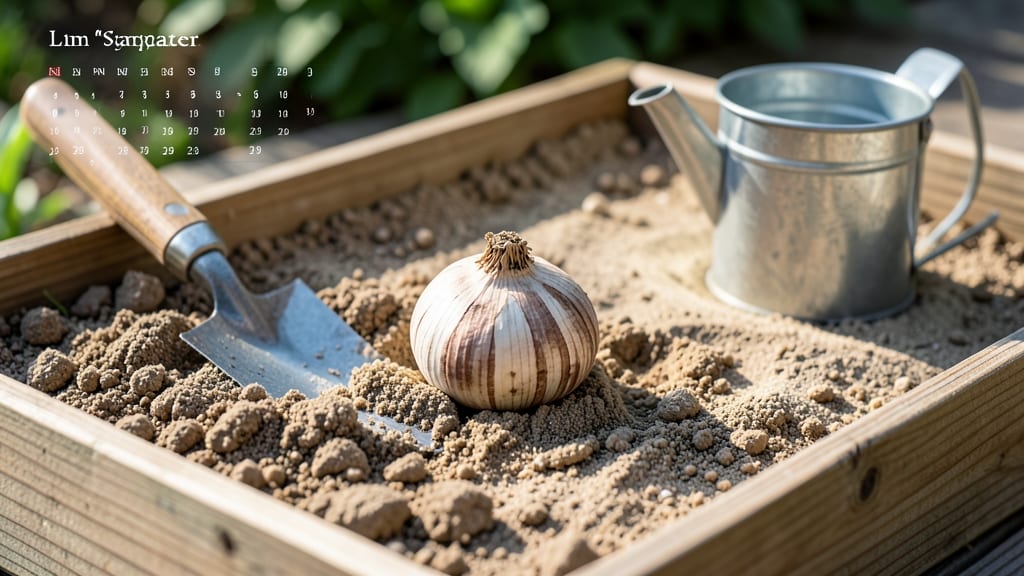
To plant Stargazer bulbs at the right time means waiting until 6 weeks before your first frost—usually September or October in most regions—but the real trick is matching their chill-hour needs.
Picture this: you’ve waited all year for those show-stopping pink blooms 🌸, only to realize your bulbs never got enough cold exposure. That’s the difference between a garden centerpiece and a bust.
The key? Planting them when temperatures consistently drop, but not so late that they rot before winter sets in.
In USDA Zone 6a, like where I garden, that means digging in during September. Warmer zones can plant later, but the rule stays the same: bulbs need 4-8 weeks of chilly soil before the ground freezes.
Too early, and they’ll sprout and die back. Too late, and they won’t bloom at all.
Below, I’ll walk you through the exact timing for your climate, plus soil prep and care tricks to ensure those fiery blooms arrive like clockwork next summer.
Understanding Stargazer lily chill hours: the science behind spring blooms
Stargazer lilies need chill hours—periods of cold temperatures—to trigger their stunning spring blooms. These 60-80°F below-freezing days signal bulbs to break dormancy and grow. Without enough cold exposure, your lilies may sprout leaves but produce no flowers, leaving you with all foliage and no showstopping blooms.
Think of chill hours like a natural alarm clock for bulbs. Just as you need sleep to wake up refreshed, lilies need cold to "reset" and prepare for their big summer display.
In regions like USDA zones 3-9, this typically happens during winter months when temperatures dip consistently below freezing.
The exact number of chill hours varies by location. Most Stargazer lilies thrive with 8-12 weeks of temperatures between 32-45°F.
For example, gardeners in zone 5 often get enough chill hours naturally, while those in zone 9 may need to use pre-chilled bulbs or plant in fall for early winter cold snaps.
🌱
If your local weather doesn’t provide enough chill hours naturally, you can pre-chill bulbs at home. Place them in a plastic bag with moist peat moss or vermiculite, then store in your refrigerator’s crisper drawer for 8-12 weeks before planting.
This mimics winter conditions and ensures your Stargazers get the cold exposure they crave.
What happens if bulbs don’t get enough chill? You’ll likely see leafy growth without flowers, a phenomenon called bolting. The plant may even produce seed pods instead of blooms.
In extreme cases, bulbs may fail to sprout at all. To avoid this, always check your local average last frost date and plant bulbs 6-8 weeks before the ground freezes.
For gardeners in warmer climates, like USDA zone 9, consider planting bulbs in late fall to catch early winter cold snaps. Alternatively, you can force chill hours by planting in containers and moving them to a cooler garage or shed during winter months.
Pro tip: Use a local weather station app to track chill hours in your area. Many apps, like PlantNet or Gardenate, provide free chill hour calculators tailored to your ZIP code. This takes the guesswork out of timing and helps you plant with confidence.
Remember, patience is key with Stargazer lilies. Even after proper planting, it may take 2-3 years for bulbs to reach their full flowering potential. But with the right chill hours and care, your garden will reward you with dramatic, fragrant blooms that light up summer evenings.
✨
Best planting months by climate zone: a month-by-month guide
Timing is everything when planting Stargazer lilies. These showstoppers thrive when planted during their chill hour window, but the perfect month depends on your USDA zone. In colder zones (3-6), aim for September-October—6 weeks before frost—to let bulbs establish roots before winter.
Warmer zones (7-9) can plant as late as November-December or even early spring, but they need at least 60 chill hours to bloom.
High-altitude gardens (e.g., Zone 5 at 5,000 ft) may need to plant 2-4 weeks earlier than sea-level gardens due to colder microclimates. Always check your local frost dates—planting too early in mild climates can trigger premature sprouting, while late planting risks bulbs rotting before winter dormancy.
Here’s a side-by-side guide to help you pick the ideal vs. risky planting windows for your zone. Use this to avoid common mistakes like planting Stargazer bulbs in soggy soil or skipping the chill period.
If you’re in Zone 8-9 and miss the fall window, don’t despair—Stargazer bulbs can handle early spring planting (February-March) as long as they get their chill hours.
Just store bulbs in a cool, dark place until you’re ready. For high-altitude gardens, adjust your timeline by 2-4 weeks earlier to account for colder microclimates.
Pro tip: Use a moisture meter to check soil conditions before planting. Stargazer bulbs rot in soggy soil, so aim for well-draining beds with a mix of sand or compost. After planting, mulch with 2-3 inches of straw to insulate roots during winter.
Remember, the key to vibrant Stargazer blooms is balancing chill hours with root establishment. Follow this guide, and you’ll be rewarded with show-stopping summer flowers year after year. Happy planting! 🌸