
Plants
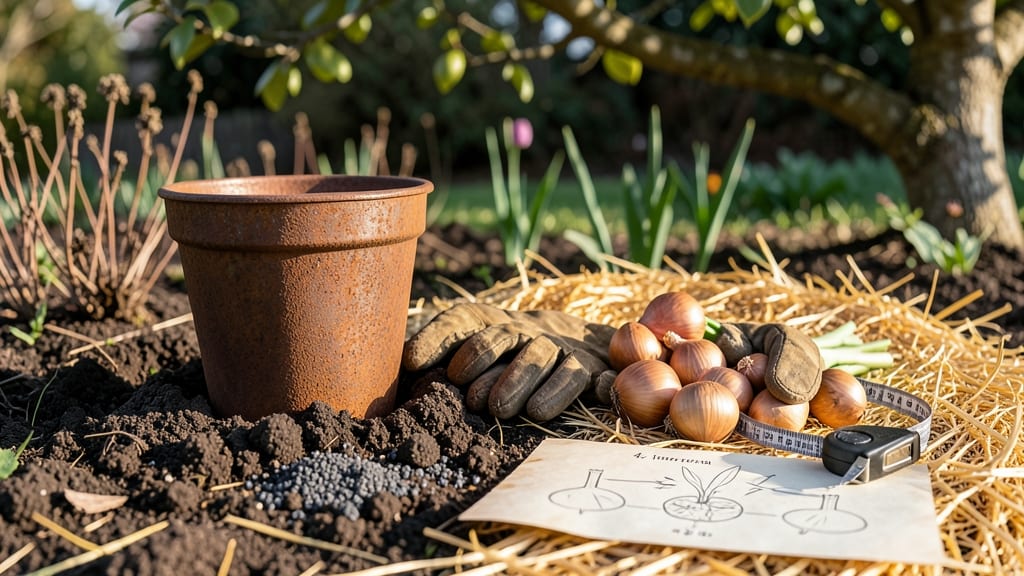
Planting tulip bulbs in Portland, Oregon, between October and November ensures they get the 6-8 weeks of chill they need before the ground freezes.
If you’ve ever woken up to a frost warning in early November and wondered whether your newly planted 🌷 tulips will survive—or worse, whether you planted too late—you’re not alone. Portland’s microclimates (think urban heat islands and elevation shifts) can throw off even the most well-intentioned planting schedules.
The key is understanding Portland’s frost-date formula: aim to plant 4-6 weeks before the first hard freeze (usually mid-October to early November), but adjust for your specific neighborhood. Too early, and the bulbs might sprout before winter sets in; too late, and they won’t get enough cold to bloom.
Below, I’ll break down the exact window, the best chill-requiring varieties for your zone, and how to prep your soil so your tulips burst into color by April or May—no guesswork required.
Portland’s ideal tulip planting window: chill requirements and frost-date formula
Planting tulip bulbs in Portland, Oregon requires precision—especially since our USDA Zone 8a/9a climate creates a narrow window for success. Most tulips need 6-8 weeks of chilling temperatures (40-50°F) before blooming, so timing your planting 4-6 weeks before frost is critical.
Miss this window, and you risk weak or no flowers next spring.
Portland’s average first frost date falls between October 15 and November 15, but this can vary by microclimates.
Urban areas like downtown Portland may experience frost 1-2 weeks later due to the heat island effect, while higher elevations (e.g., Hillsboro or Forest Park) can see frost earlier. Adjust your planting schedule accordingly to avoid frost damage.
Here’s how to calculate your personalized frost date using NOAA’s 30-year averages and local adjustments. Start by checking NOAA’s Climate Data for your specific neighborhood, then subtract 6-8 weeks to determine your ideal planting window.
For example, if your frost date is November 1, plant bulbs between September 15 and October 15.
| Factor | Portland Standard | Microclimate Adjustments |
|---|---|---|
| Average First Frost | October 15–November 15 | Urban areas: +7–10 days Higher elevations: –7–10 days |
| Chill Requirement | 6–8 weeks below 50°F | Warmer microclimates: Plant earlier Cooler areas: Extend window to December |
| Ideal Planting Window | October 1–November 1 | Urban: Shift to September 20–October 15 Elevation: Shift to November 1–15 |
| Soil Temperature | Below 60°F | Check with a soil thermometer Wait if above 65°F |
| Post-Planting Care | Mulch after frost | Urban heat: Add extra mulch Exposed areas: Use straw mulch |
To refine your frost-date formula, use NOAA’s Local Climatological Data (search for your ZIP code). For example, if your neighborhood’s frost date is October 25, subtract 6 weeks to land on a September 10 planting date.
This ensures bulbs establish roots before winter sets in. Pro tip: Plant in clusters of 10–15 bulbs for better heat retention and bloom synchronization.
If you’re unsure about your microclimate, observe nearby gardens or ask local nurseries like Portland Nursery or Cornucopia Nursery. They often track frost dates and can recommend chill-hardy tulip varieties like ‘Darwin Hybrid’ or ‘Fosteriana’, which tolerate Portland’s variable winters better than delicate varieties.
These bulbs thrive even if chill hours are slightly shorter.
For urban gardeners, consider planting bulbs in containers or raised beds to avoid soil compaction and improve drainage. Add a 2-inch layer of compost to the planting hole and water deeply after planting.
This helps bulbs establish roots quickly before frost arrives. In elevated areas, like the West Hills, plant bulbs 1-2 weeks later to account for earlier frost.
Remember, soil temperature matters just as much as air temperature. Use a soil thermometer to confirm the ground is below 60°F before planting. If temperatures fluctuate, wait until consistent cold arrives. This prevents bulbs from sprouting too early and getting frost damage.
Once planted, mulch with straw or leaves to insulate bulbs and retain moisture. In Portland’s wet winters, this also prevents soil erosion. Avoid heavy mulch, which can suffocate bulbs. Instead, use a 1-2 inch layer and remove it in early spring to allow sunlight to reach emerging shoots.
Finally, mark your planting spots with flags or stakes to avoid disturbing bulbs when snow melts or you’re prepping the garden in spring. Tulips need 6-8 weeks of chill, but they also require 6+ hours of sunlight in spring for robust blooms.
Plan your garden layout to ensure they get full sun exposure once they emerge.
With this frost-date formula and microclimate awareness, your tulips will bloom vibrantly in April or May, turning your Portland garden into a springtime showstopper. Happy planting! 🌱
Best tulip varieties for Portland’s climate: chill-hardy picks for reliable blooms
Portland’s USDA Zone 8b/9a climate can be tricky for tulips, which typically need chill hours to bloom reliably. But don’t worry—I’ve handpicked 8 varieties that thrive with minimal winter chill and deliver stunning spring displays. These cold-hardy picks account for Portland’s mild winters and variable frost dates.
For consistent blooms, focus on Darwin Hybrid and Species tulips, which handle Portland’s 400–600 chill hours better than traditional varieties. I’ve ranked them by cold tolerance, bloom time, and disease resistance—so you can choose the perfect fit for your garden’s conditions.
Topping the list is ‘Ice Follies’, a Darwin Hybrid with pale pink blooms that stand out against Portland’s gray skies. It’s disease-resistant and blooms late, avoiding early spring rains.
If you prefer dark, dramatic flowers, ‘Queen of Night’ delivers deep purple-black blooms with minimal maintenance—perfect for low-light spots.
For early bloomers, try ‘Red Emperor’, a Darwin Hybrid that pops in April with bold red flowers. It’s slug-resistant, a plus in Portland’s damp climate. Meanwhile, ‘White Dream’ offers pure white blooms and thrives in partial shade, ideal for urban gardens with limited sun.
Don’t overlook Species tulips like ‘Tulipa tarda’ (early bloomer) or ‘Tulipa clusiana’ (loved by pollinators). They’re hardier than hybrids and naturalize easily in Portland’s mild winters. For height and drama, ‘Apeldoorn’ (red) and ‘Parrot tulips’ (exotic, striped) add vertical interest and longer vase life.
Pro tip: Pair early bloomers like ‘Red Emperor with late bloomers like ‘Queen of Night’ to extend your spring color show. Plant in well-draining soil and mulch heavily to protect bulbs from Portland’s wet winters.
With these chill-hardy varieties, you’ll enjoy reliable blooms year after year—even in Portland’s unpredictable climate. Happy planting! 🌷