
Plants
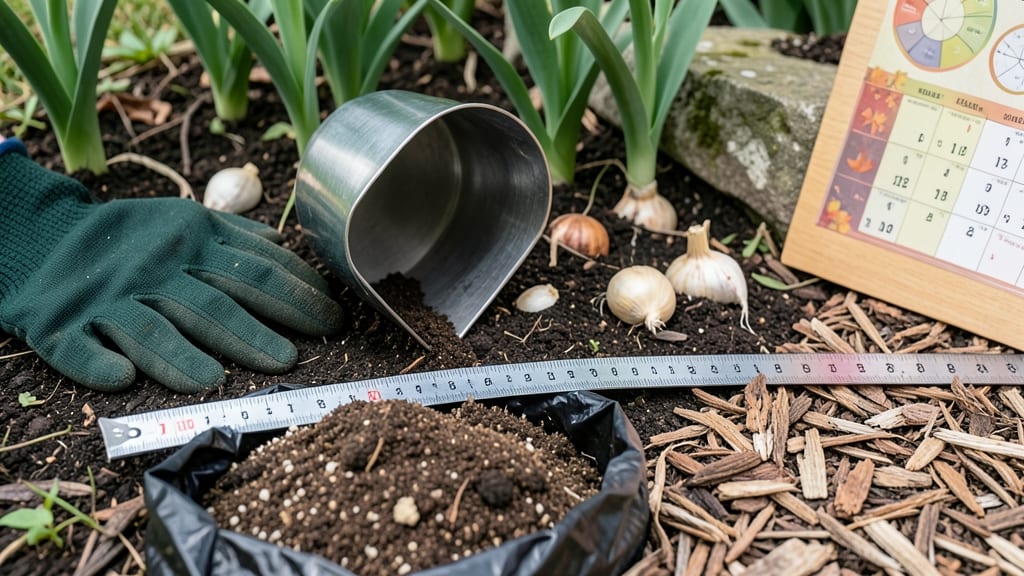
Planting tulip bulbs in Washington requires timing them perfectly between October and November—before the ground freezes but after soil cools enough to prevent rot.
Washington gardeners know timing is everything—plant too early, and those bulbs will rot; too late, and your 🌷 tulips might never bloom. But with the right chill-hour formula and frost-date strategy, you can unlock vibrant spring blooms year after year.
The key is understanding your specific zone: Puget Sound’s milder winters mean bulbs can go in as early as late September, while Eastern Washington’s colder climate pushes planting closer to November. A 6-8 week window before the first frost is your sweet spot.
Below, I’ll break down the exact chill-hour rules for your corner of Washington, how to prep soil for clay-heavy or sandy areas, and the one mistake that kills more tulips than frost ever does.
Washington’s chill-hour zones: the exact months to plant tulip bulbs
Washington’s diverse climate means your tulip planting window depends on whether you’re in Puget Sound’s maritime zone or the Columbia Basin’s continental climate. Tulips need 12-16 weeks of winter chill (below 45°F) to bloom reliably, and planting too early or late disrupts this process.
Let’s break down the precise 6-8 week window before your region’s first hard frost to ensure vibrant spring blooms.
In USDA Zone 7b-8b (most of Western WA), tulip bulbs should hit the ground by mid-October at the latest. Meanwhile, Zone 5-6 areas (Eastern WA mountains) have until early November.
The key is planting when soil temps drop to 60°F or below—this prevents premature sprouting while still allowing roots to establish before winter.
Here’s the critical rule: Plant tulips 4-6 weeks before your area’s first hard frost (32°F or lower). This timing ensures bulbs develop roots but don’t wake up too soon. For example, Seattle’s last frost typically arrives November 15-20, so aim for mid-October planting.
In Spokane (Zone 6b), with frosts by November 1, plant by late September.
For Puget Sound gardeners, the 6-week window (October 1-31) is your sweet spot. In Eastern WA, where winters are colder but shorter, aim for late September to early October.
The Columbia Basin’s warmer days mean bulbs can wait until mid-October, but don’t delay past November 1—soil compaction and frost risk increase.
Pro tip: Use a soil thermometer to confirm temps are consistently below 60°F before planting. In Zone 8b (Seattle), this usually happens by October 1
The frost-date formula: how to calculate your ideal planting window
Timing your tulip bulb planting in Washington isn’t just about the calendar—it’s about understanding your last frost date and soil temperature thresholds. Tulips need 6-8 weeks of cool soil before winter sets in, ideally between 45°F and 55°F.
Plant too early, and bulbs may rot; too late, and they won’t establish roots before freeze. Let’s break down the exact formula for your location.
First, find your average last frost date for your Washington region. The Puget Sound typically sees its last frost by mid-November, while Eastern WA can extend to early December.
Subtract 6 weeks from that date to pinpoint your ideal planting window. For example, if your last frost is November 15th, aim to plant by October 1st.
Here’s how to calculate it step-by-step for your specific zone:
- 1 Find your last frost date: Check local records (e.g., Puget Sound: Nov 15, Eastern WA: Dec 1).
- 2 Subtract 6 weeks: For Nov 15 frost, plant by October 1; for Dec 1 frost, plant by October 15.
- 3 Verify soil temp: Use a soil thermometer to confirm 45°F+ at planting depth (6-8 inches).
- 4 Plant in the window: Aim for October-November in most of WA; adjust ±1 week based on microclimates.
Pro tip: Washington’s microclimates can shift planting windows by 1-2 weeks. If you’re in a sheltered valley (like Yakima), plant 1 week later than the average. Conversely, coastal areas (like Bellingham) may need an earlier start due to milder winters. Always check your local frost data for precision.
Once you’ve nailed the timing, focus on soil conditions. Tulips thrive in well-draining soil with a pH of 6.0-7.0. If your garden holds water (common in Puget Sound clay soils), amend with compost or sand to improve drainage.
Plant bulbs 6-8 inches deep, with the pointy end up, to protect them from freeze-thaw cycles.
Remember, tulips need chill hours (below 45°F) to bloom. Washington’s winters typically provide enough, but if you’re in Zone 8b+ (like parts of the Columbia Basin), consider pre-chilling bulbs in the fridge for 8-12 weeks before planting. This ensures vibrant blooms next spring, no matter your corner of Washington.