
Plants
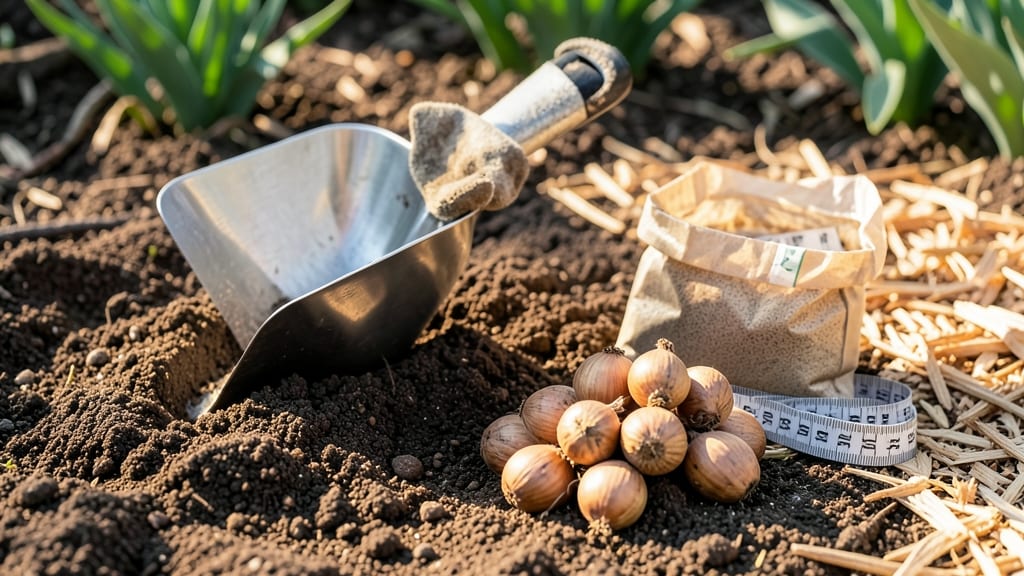
Planting tulip bulbs in Zone 8 when soil temperatures drop to 50–60°F sets the stage for perfect spring blooms—miss that window, and you risk weak roots or no flowers at all.
I’ve seen gardeners in Zone 8 pull out their shovels too early in October, only to watch their tulips rot in warm soil. The secret isn’t just the calendar—it’s the soil thermometer reading that tells you when bulbs can finally root safely before winter sets in.
Below, I’ll break down the exact timing by month, how to adjust for early or late frosts, and the one trick that keeps your tulips thriving even if your fall weather plays tricks on you.
You’ll leave here knowing not just when to plant, but why those dates matter—and how to troubleshoot if your bulbs still don’t bloom like they should.
Zone 8 soil temperature rules for planting tulip bulbs
Tulip bulbs thrive when planted in cool soil temperatures between 50-60°F (10-15°C), a critical window that triggers root growth before winter dormancy.
In Zone 8, this timing varies slightly between Northern (cooler) and Southern (warmer) regions, but the science remains the same: plant when soil cools but before hard frosts arrive. This balance ensures bulbs establish roots without rotting in warm ground or freezing before they’re ready.
Why soil temperature matters: Tulip bulbs need 4-6 weeks of chilling to develop strong roots, but they’ll rot if planted in soil above 65°F (18°C).
In Zone 8, this typically means October-November planting, but exact dates depend on your microclimate. Northern Zone 8 (e.g., parts of Virginia or Missouri) may plant as early as late September, while Southern Zone 8 (e.g., Texas or Florida) might wait until November.
Here’s the golden rule: Use a soil thermometer to confirm temps are consistently below 60°F (15°C) at 6-inch depth. If your soil stays warm past November, consider shade cloth or mulching to cool it faster. This simple step prevents bulb rot and ensures vibrant spring blooms.
| Zone 8 Region | Ideal Soil Temp | Planting Window | Key Trigger |
|---|---|---|---|
| Northern Zone 8 (e.g., VA, MO) | 50-55°F (10-13°C) | Late September–October | First frost date (mid-Nov) |
| Central Zone 8 (e.g., OK, TN) | 55-60°F (13-15°C) | October–early November | Soil cools to 60°F |
| Southern Zone 8 (e.g., TX, FL) | 58-60°F (14-15°C) | November–December | Hard frost risk (Jan) |
| All Regions | Never above 65°F (18°C) | 4-6 weeks before frost | Bulb root initiation |
For Northern Zone 8 gardeners, aim to plant 6-8 weeks before the first hard frost, typically by October 15th. Use your local frost date as a backward count: If frost hits November 15th, plant by October 1st.
This timing gives bulbs enough time to root but avoids early winter stress. Pro tip: Double-check with a soil thermometer—even a 5°F (3°C) difference can affect success.
In Southern Zone 8, where winters are milder, bulbs can wait until November or even early December. The key is soil temperature, not calendar dates.
If your soil stays above 60°F (15°C) past November, delay planting until temps drop. Mulching with straw can help cool the soil faster if you’re eager to plant early. Just avoid mulching too early—warm soil = rot risk.
Don’t overlook bulb variety when timing your plantings. Dwarf tulips (e.g., ‘Tiny Tim’) can handle slightly later plantings, while standard varieties (e.g., ‘Darwin Hybrid’) need that 4-6 week rooting window.
For early bloomers like ‘Greigii’, plant by October 1st in Northern Zone 8. For late bloomers like ‘Parrot tulips’, you might extend planting to November 15th in Southern Zone 8.
One common mistake is planting too early when soil is still warm. Bulbs planted in September in Southern Zone 8 may sprout prematurely, only to be killed by heat stress or pests.
Conversely, planting too late (e.g., December in Northern Zone 8) leaves bulbs vulnerable to freeze-thaw cycles, which can damage emerging roots. Stick to the 50-60°F rule, and you’ll avoid both pitfalls.
To test your soil’s readiness, dig a 6-inch hole and check the temperature with a thermometer. If it’s consistently below 60°F (15°C) for 3 days, it’s time to plant.
For container gardening, use a potting mix with perlite to improve drainage and prevent rot in warmer microclimates. Containers also warm up faster, so plant them 2-3 weeks later than in-ground bulbs.
Remember: Tulips need cold to bloom. Even in Zone 8, bulbs require chilling periods to trigger flower formation. If you’re in a mild-winter microclimate (e.g., near coastlines), consider pre-chilling bulbs in the fridge for 8-10 weeks before planting.
This mimics natural winter conditions and ensures reliable blooms the following spring.
For best results, combine soil temperature checks with moisture monitoring. Tulip bulbs need
Best months to plant tulips in Zone 8 (with exact dates)
In Zone 8, timing your tulip bulbs correctly ensures they root before winter and bloom spectacularly in spring. The ideal window is when soil temperatures drop to 50-60°F (10-15°C), typically between mid-October and mid-December. This timing lets bulbs establish roots while avoiding early frost damage.
Most gardeners in Zone 8 aim to plant 6-8 weeks before the first hard frost, which usually occurs around mid-December. However, Southern Zone 8 areas (like coastal California) may have milder winters, allowing planting until January for late-blooming varieties.
- 1 Plant dwarf tulips (6-12") in October for early blooms.
- 2 Plant standard tulips (18-24") in November for peak blooms.
- 3 Adjust for early frost by planting late November if temps drop below 40°F (4°C).
- 4 Plant late-blooming varieties in January for Southern Zone 8.
- 5 Avoid planting after December 15 in most Zone 8 areas.
For Northern Zone 8 (e.g., parts of Texas or Tennessee), October 15-November 15 is the sweet spot. In Southern Zone 8 (e.g., Southern California), you can extend planting until January 10, especially for varieties like 'Darwin Hybrid' tulips, which thrive in warmer winters.
If your first frost arrives early (before November), plant earlier in October—just ensure soil temps stay above 50°F (10°C) to prevent rot. Conversely, if frost comes late, December planting can still work for hardy varieties like 'Fosteriana' tulips.
Pro tip: Use a soil thermometer to confirm temps are below 60°F (15°C) before planting. This simple tool prevents costly mistakes like rotten bulbs from planting too early in warm soil.
Remember, tulip bulbs need 6-8 weeks of cold dormancy to bloom well. Planting too late (after December) often results in smaller or no flowers the following spring. Adjust your schedule based on your local frost dates and tulip variety!