
Plants
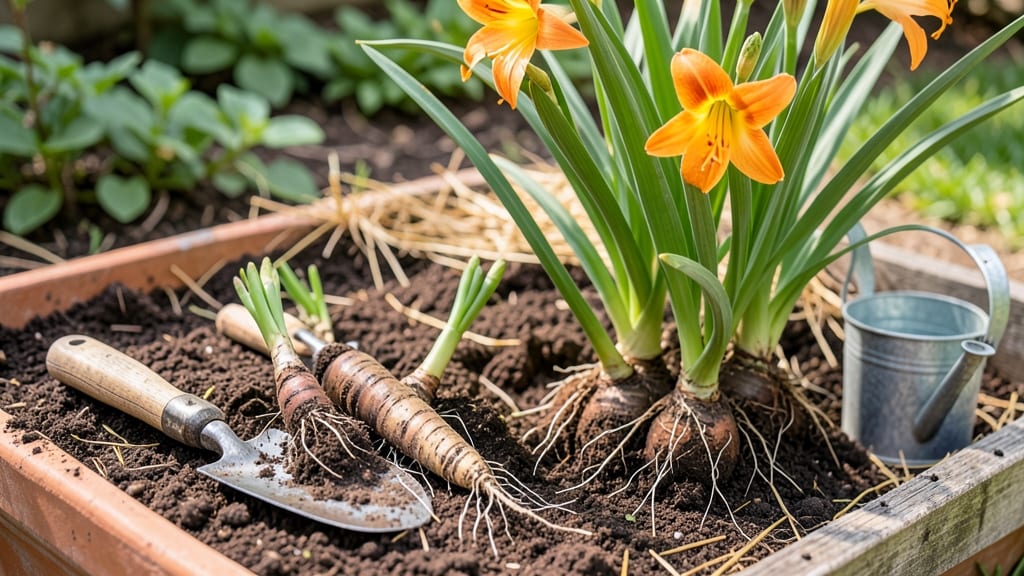
Planting daylily bulbs in Zone 8 during early spring or fall unlocks the secret to bold, repeat-blooming flowers that last all summer.
Struggling to get your daylilies 🌸 to bloom vibrantly in Zone 8? Timing is everything—plant too early or too late, and you’ll miss the sweet spot for root establishment and summer flowering. I’ve seen firsthand how a few weeks off can turn a lush garden into a sad, half-hearted display.
Zone 8’s mild winters and hot summers mean you’ve got two perfect windows: September to November for fall planting or March to April after the last frost. The key is soil temperature—wait until the ground cools below 80°F in fall or warms above 50°F in spring.
Below, I’ll break down the exact months to plant, how to prep your soil, and which daylily varieties thrive best in your climate—so you can skip the guesswork and enjoy months of effortless color.
Best months to plant daylily bulbs in Zone 8 for maximum blooms
If you're dreaming of vibrant daylily blooms in Zone 8, timing your bulb planting is the secret weapon. Unlike many plants, daylilies thrive when planted either in early spring or fall, but Zone 8’s mild winters and hot summers create unique challenges.
Let’s break down the exact windows and soil conditions that guarantee root establishment and summer-long flowers.
Zone 8 spans a wide range of microclimates—from coastal areas with cooler summers to inland regions with intense heat. For example, San Diego’s coastal zone might see frost-free winters, while Phoenix’s inland zone can hit 100°F+ in summer.
These differences shift the ideal planting window by 4-6 weeks, so knowing your local frost dates is critical.
The USDA Zone 8 frost-free period typically runs from mid-March to mid-November, giving you a 210-day growing season. However, daylilies need 60-90 days to establish roots before summer heat arrives.
Planting too early risks rot in cold, wet soil, while planting too late delays blooms. Let’s align this with your specific location.
| Planting Window | Soil Temperature | Zone 8 Microclimate | Root Growth Timeline | Bloom Expectation |
|---|---|---|---|---|
| Early Spring (March-April) | 50°F–60°F (10°C–15°C) | Inland (e.g., Phoenix) | 60–75 days to establish | Summer blooms (June–August) |
| Late Spring (May) | 60°F–70°F (15°C–21°C) | Coastal (e.g., San Diego) | 45–60 days to establish | Late summer blooms (July–September) |
| Fall (September–October) | 55°F–65°F (13°C–18°C) | All Zone 8 regions | 75–90 days to establish | Next summer blooms (June–August) |
| Early November (Coastal Only) | 50°F–55°F (10°C–13°C) | Coastal (e.g., Los Angeles) | 90+ days to establish | Risky; may not bloom next year |
For inland Zone 8 gardens, like those in Las Vegas or Tucson, aim to plant daylily bulbs in early spring (March) when soil temperatures hit 50°F–60°F. This gives roots 60–75 days to establish before summer’s 100°F+ heat arrives.
If you plant in April, expect blooms to arrive 2–4 weeks later due to slower root growth in warming soil.
In coastal Zone 8 areas, such as San Diego or Santa Barbara, you can push planting into late spring (May) because milder temperatures allow roots to establish in just 45–60 days.
However, avoid planting after June 1st, as summer’s heat stress can stunt root growth before winter dormancy.
Fall planting is ideal for all Zone 8 regions, but timing is critical. Plant 6–8 weeks before your first frost (typically mid-September to mid-October).
For example, in San Francisco, aim for September 15th, while Phoenix can extend planting to October 31st due to its warmer winters. Soil should be 55°F–65°F for optimal root development.
One common mistake is planting daylily bulbs in November, especially in coastal areas. While it’s possible, the 90+ days needed for root establishment may not align with winter rains or frost risks.
If you miss the fall window, wait until March—planting in December or January risks rot from cold, wet soil.
To maximize blooms, align your planting with your daylily’s variety-specific
How to prepare your soil and site for daylily bulbs in Zone 8
Daylilies thrive in Zone 8’s warm climate, but their success starts with proper soil preparation and site selection. Since Zone 8 offers extended growing seasons, your bulbs need well-draining soil and 6+ hours of sunlight daily to avoid heat stress or poor blooming.
Let’s break down the essential steps to create an ideal environment for your daylily rhizomes.
First, test your soil pH—daylilies prefer a slightly acidic to neutral range of 6.0 to 7.0. Use a soil test kit to check, and amend with lime (to raise pH) or sulfur (to lower pH) if needed.
Organic matter like compost or aged manure improves soil structure and moisture retention, which is critical in Zone 8’s heat. Aim for 2-3 inches of compost mixed into the top 12 inches of soil.
⚠️ callout-warning ⚠️
- Overwatering: Daylilies hate soggy roots. Zone 8’s humidity can worsen fungal issues—water only when the top 2 inches of soil are dry.
- Planting in shade: Partial shade may reduce blooms. Choose a south-facing spot for maximum sunlight exposure.
- Ignoring drainage: Clay-heavy soils trap moisture. Amend with perlite or sand to improve airflow around rhizomes.
Pro Tip: Mulch with 2-3 inches of pine straw to retain moisture and regulate soil temperature.
Next, focus on drainage. Daylilies despise waterlogged conditions, which can lead to root rot in Zone 8’s humid summers. If your soil is heavy clay, mix in coarse sand or perlite to improve drainage.
Raised beds are another great option for areas with poor soil quality, as they provide better aeration and warmth.
When selecting a planting site, prioritize full sun exposure. While daylilies tolerate partial shade, they’ll produce fewer blooms. Look for a spot that gets at least 6 hours of direct sunlight, preferably in the morning to avoid afternoon heat stress.
If your yard has hot afternoon sun, consider dappled shade from nearby trees.
Spacing is key for airflow and bulb health. Plant daylily rhizomes 12-18 inches apart in rows spaced 2-3 feet apart. This gives plants room to grow and reduces competition for nutrients.
Dig a shallow trench or hole, place the rhizome with the crown (neck) slightly above soil level, and cover lightly with soil. Press gently to secure but avoid burying the crown too deep.
Finally, mulch your newly planted daylilies with 2-3 inches of organic mulch, like pine straw or shredded leaves. Mulching helps retain moisture, suppresses weeds, and regulates soil temperature—critical in Zone 8’s fluctuating seasons. Avoid thick mulch layers, as they can smother rhizomes and trap excess moisture.
With the right soil prep and site conditions, your daylilies will establish strong roots and reward you with vibrant summer blooms. Remember, Zone 8’s heat and humidity demand extra attention to drainage and sunlight—don’t skip these steps! 🌸