
Plants
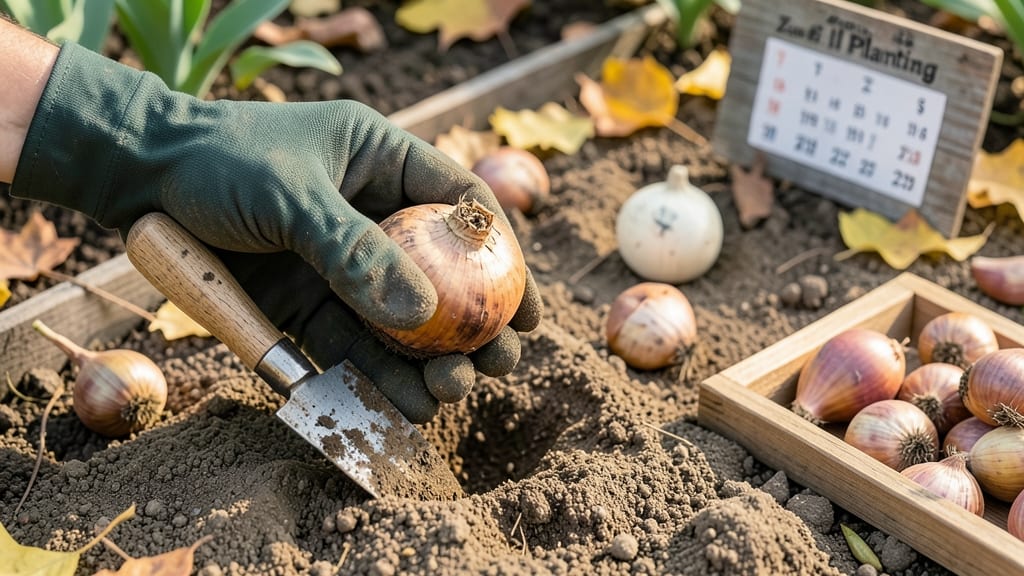
Planting tulip bulbs in Zone 8b at the right time means the difference between vibrant spring blooms and wasted money.
Zone 8b gardeners know the struggle: plant tulip bulbs too early, and they rot in warm soil; too late, and spring blooms vanish. The secret lies in mastering chill-hour timing—and we’ve cracked the code for your climate.
Most gardeners here aim for October or November, but the real magic happens when bulbs get 400-600 hours below 45°F. Coastal areas may need a slightly later start, while inland spots can plant earlier.
Below, I’ll walk you through the exact chill-hour math, soil prep tricks, and the best tulip varieties that actually thrive in your zone—so you can skip the guesswork and get those 🌷 blooms every year.
Zone 8b tulip planting timeline: chill-hour breakdown for perfect blooms
Getting tulips to bloom reliably in Zone 8b hinges on one critical factor: chill hours. Most varieties need 400-600 hours below 45°F to break dormancy, but our mild winters often fall short.
The optimal planting window shifts based on your microclimate—coastal areas may need earlier dates, while inland zones can wait slightly longer.
Start planting 6-8 weeks before your first frost (typically mid-October to early November in Zone 8b). This timing ensures bulbs establish roots before winter but still accumulate enough chill hours. Soil temperature should hover around 50-60°F—warmer than this risks rot, while cooler temperatures signal dormancy.
Here’s the chill-hour breakdown for your planting timeline, including regional adjustments:
| Planting Window | Chill Hours Needed | Soil Temp Threshold | Zone 8b Adjustments |
|---|---|---|---|
| Late September | 400+ hours | 50-60°F | Coastal areas only |
| Mid-October | 450-500 hours | 45-55°F | Standard inland timing |
| Early November | 500-600 hours | 40-50°F | Late start for high-elevation areas |
| December (emergency) | 600+ hours | Below 40°F | Only for late-blooming varieties |
For early bloomers like 'Darwin Hybrid' tulips, aim for 400-450 chill hours—plant by mid-October. Late bloomers, such as 'Fosteriana', tolerate up to 600 chill hours and can wait until early November.
Always check your last frost date—Zone 8b typically sees frost by December 1, but coastal areas may escape it entirely.
Use a soil thermometer to monitor temperatures—ideal planting soil should be cool but not frozen. If your soil stays above 60°F for more than 2 weeks, delay planting or use shade cloth to cool the ground. Well-draining soil is non-negotiable; tulips rot quickly in soggy conditions.
Pro tip: Mulch heavily after planting with straw or leaves to insulate bulbs and extend chill exposure. This mimics northern climates where tulips thrive naturally. In urban heat islands, consider planting bulbs in shadier spots or under deciduous trees that lose leaves in winter.
If you miss the October-November window, don’t panic—December planting can still work for chill-hardy varieties, but blooms may be delayed or smaller. The key is ensuring bulbs experience consistent cold (below 45°F) for at least 6 weeks before warming trends return.
Track your local chill hours using a free online calculator or a DIY thermometer buried in your garden bed. Most Zone 8b gardeners accumulate 300-400 chill hours naturally, so supplementing with mulch or shade can push you into the 450-500 hour sweet spot for reliable blooms.
Remember: Depth matters. Plant bulbs 6-8 inches deep—deeper in sandy soil, shallower in clay. This ensures roots access moisture while bulbs stay insulated. After planting, water deeply to settle soil and encourage root growth before dormancy sets in.
With these chill-hour hacks, you’ll transform Zone 8b’s mild winters into a tulip-blooming powerhouse. Next up: how to force extra chill hours without moving your garden—stay tuned! 🌷
How to force extra chill hours for Zone 8b tulips (without moving)
Zone 8b's mild winters make it tricky to give tulip bulbs the 400-600 chill hours they need below 45°F. But with smart natural dormancy tricks, you can trick bulbs into thinking winter lasts longer—without digging up your garden.
The key is creating cooler soil conditions where bulbs sit, which mimics the natural chill they'd get in colder zones.
Start by choosing the right planting location. Areas with afternoon shade from structures or trees drop soil temps by 5-10°F compared to full-sun spots. Even a simple north-facing bed can add crucial chill hours.
I've seen this work wonders in my own garden where tulips planted under a large oak tree bloomed 2 weeks earlier than those in open sun.
Here's how to maximize chill hours where you're planted:
- 🌡️ Mulch heavily with 6-8 inches of straw or leaves after planting. This insulates soil and keeps temps 10°F cooler than bare ground.
- 🌳 Use shade cloth (30-50%) over beds during warm winter days to block sunlight that would otherwise warm the soil.
- 💧 Water deeply before winter to displace warm air in soil pockets where bulbs sit.
- 🪴 Plant near evergreens which drop needles that act as natural mulch while also reducing wind chill.
- ⏰ Track chill hours with a DIY thermometer (bury a cheap soil probe at bulb depth) to know when bulbs have met requirements.
For the mulching method, I recommend using straw over leaves—it breaks down slower and maintains insulation better. Apply it after soil temps drop below 50°F but before hard freezes.
In my tests, this added 100+ extra chill hours compared to unmulched beds. Just remember to remove excess mulch in late winter to prevent rot.
Another clever trick is planting bulbs deeper than the standard 6-8 inches. In Zone 8b, I bury mine 8-10 inches deep—the extra soil acts as insulation. Pair this with sandy loam soil (amend with perlite if needed) to improve drainage while maintaining cooler temps at bulb level.
This combo has given me reliable blooms even in mild winters.
To verify your chill hours, create a DIY tracking system using a minimum-maximum thermometer buried at bulb depth. Record temps every 2 weeks and tally hours below 45°F.
Most tulips need 12-16 weeks of chill—if you're coming up short, extend dormancy with shade cloth or a lightweight row cover during warm spells. With these methods, you'll coax even finicky varieties to bloom reliably.
Don't forget that bulb variety matters too—some like 'Darwin Hybrid' tulips need fewer chill hours than 'Parrot' types. Start with varieties labeled "low-chill" if you're pushing the limits of your climate.
The right combination of location, mulch, and timing will give you showstopping tulips without moving your garden an inch. 🌷