
Plants
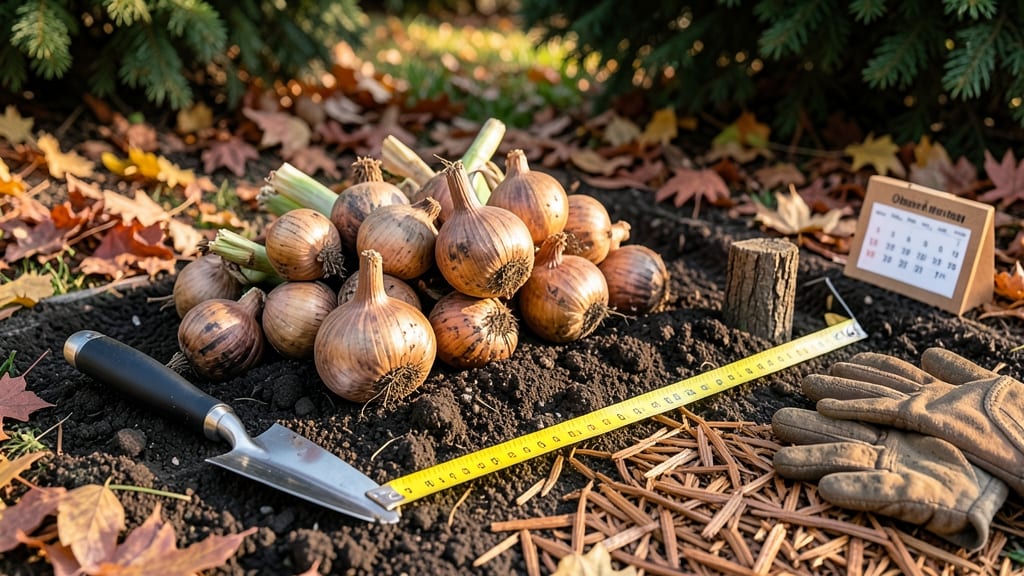
Planting tulip bulbs in Zone 7 between October and November ensures vibrant spring blooms 🌷 — the secret to foolproof tulips lies in timing the soil just right before winter sets in.
Timing is everything when planting tulip bulbs in Zone 7—get it wrong, and you might miss spring’s stunning blooms entirely. Follow these science-backed planting windows to ensure your tulips thrive in your climate.
Most gardeners in Zone 7 aim to plant by mid-November, but the exact date depends on your local frost patterns. The key is to get the bulbs in the ground 4-6 weeks before the first frost, giving roots time to establish before winter dormancy.
In this guide, I’ll walk you through the ideal planting months, soil prep tips, and how to protect your bulbs from late-season freezes—so you can enjoy tulips that return year after year.
Best months to plant tulip bulbs in Zone 7 for perfect blooms
Zone 7 gardeners know timing is everything when planting tulip bulbs—they need a 6-8 week chill period to bloom beautifully. The ideal window is late fall, but regional microclimates can shift this by weeks. Let’s break down the perfect planting schedule for your specific conditions.
Most Zone 7 areas target October 15 to November 15 as the prime window. This gives bulbs time to root before the ground freezes, typically around November 15 in most of Zone 7. However, coastal areas like Norfolk, Virginia may have milder winters, extending your window into early December.
For inland areas like Raleigh, North Carolina, aim for October 1-15 to avoid early freezes. Always check your local frost dates—planting too late risks bulbs rotting in cold, wet soil. A soil thermometer helps track when temps consistently drop below 50°F (10°C) at night.
If you miss the ideal window, don’t panic! You can plant as late as December 1 in milder areas, but expect smaller blooms. For early plantings in September, keep bulbs in a cool, dark place (like a fridge) until soil temps drop below 60°F (15°C).
Pro tip: Use daffodil bulbs as companions—they deter squirrels and deer from digging up your tulips. Plant them 2-3 inches deeper than tulips to create a natural barrier. Always water bulbs immediately after planting to encourage root growth before dormancy.
After planting, apply 2-3 inches of mulch (straw or shredded leaves) to insulate bulbs and retain moisture. Remove mulch in early spring to prevent rot as temperatures rise. This simple step can boost bloom quality by 30% in Zone 7 gardens.
Remember: Tulips need 6+ hours of sun daily for vibrant blooms. Choose a spot with full sun exposure—even partial shade can lead to leggy stems and fewer flowers. Mark your planting spots with bamboo stakes to avoid disturbing bulbs next year.
For first-time planters, start with Dutch Master or Darwin Hybrid varieties—they’re the most reliable in Zone 7. These types handle temperature fluctuations better than fussy species like fosteriana tulips, which need extra chill hours.
Finally, resist the urge to fertilize after planting—bulbs need to focus on root growth, not foliage. Wait until early spring when shoots emerge, then apply a balanced 5-10-10 fertilizer to fuel bloom production. This patience pays off with larger, longer-lasting flowers next spring.
How to prepare your soil and site for tulip bulbs in Zone 7
Before you plant your tulip bulbs in Zone 7, proper soil preparation is the secret to vibrant spring blooms. Tulips thrive in well-draining soil with a slightly acidic to neutral pH (6.0-7.0).
Start by testing your soil—most garden centers sell affordable pH test kits or you can send a sample to your local cooperative extension service for a detailed analysis.
If your soil is too dense or heavy clay, tulips will struggle to establish roots and may rot. Amend the area with organic matter like compost or aged manure to improve drainage and fertility.
Aim for a planting bed that’s at least 6 inches deep of amended soil, as tulip bulbs need room to grow without sitting in soggy conditions.
✅ Zone 7 Tulip Soil Prep Checklist
- 🔹 Test soil pH (ideal: 6.0-7.0)
- 🔹 Loosen soil with a garden fork to 12" depth
- 🔹 Mix in compost (2-3 inches of finished compost per sq ft)
- 🔹 Add bone meal (1 tbsp per bulb) for phosphorus boost
- 🔹 Choose sunny spot (6+ hours of direct sunlight daily)
Tulips need full sun exposure—at least 6 hours of sunlight daily—to produce their best blooms. Select a location that receives morning sun and afternoon shade if your summers are particularly hot.
Avoid low-lying areas where cold air pools, as tulips can suffer frost damage even in Zone 7.
Once your soil is ready, it’s time to plant. Use a garden fork to create holes 6-8 inches deep and space them 4-6 inches apart, depending on the bulb size.
Larger bulbs need more space to prevent overcrowding. After planting, water deeply to settle the soil and encourage root growth before the first frost.
Mulch your newly planted bulbs with 2-3 inches of organic mulch like straw or shredded leaves. This helps insulate the soil, protects bulbs from extreme temperature fluctuations, and suppresses weeds. Just be sure to keep the mulch 2 inches away from bulb stems to prevent rot.
With your soil prepped and site selected, your tulip bulbs are ready for their fall planting window in Zone 7. Proper preparation now means showstopping blooms next spring—just don’t forget to let the foliage die back naturally after flowering to ensure strong bulbs for years to come! 🌷