
Plants
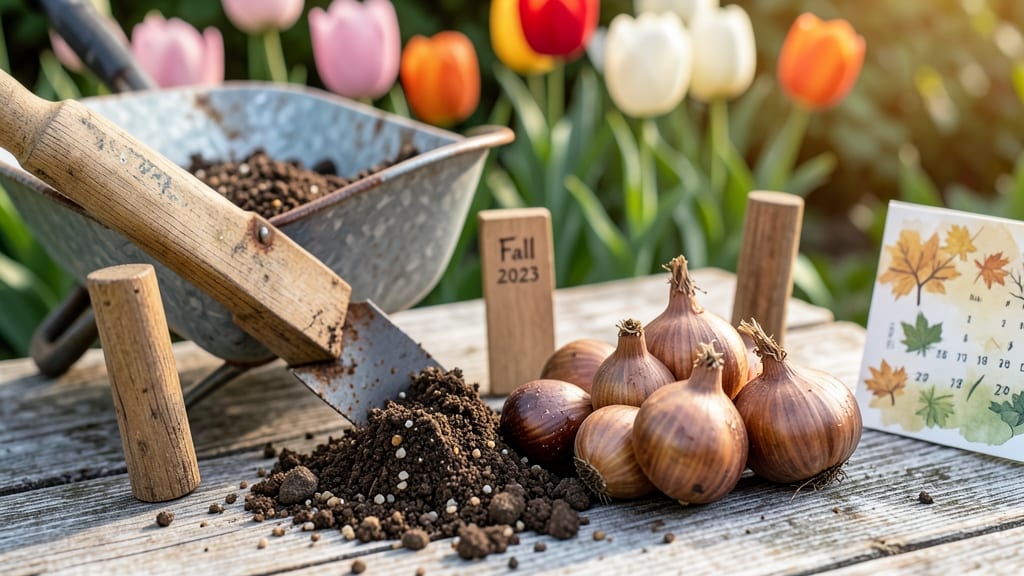
Planting tulip bulbs in Kansas between October and November 🌷 is the key to vibrant spring blooms—but timing matters more than you might think.
Miss that window, and you risk weak stems, sparse flowers, or worse, bulbs that never return. The secret? Planting when soil temps drop below 60°F and before the first hard frost hits, which in Kansas zones 5b-6b usually lands in mid-October.
This guide breaks down the exact months for your Kansas zone, soil prep tricks to beat clay-heavy ground, and how to avoid common mistakes that kill tulips before they bloom.
By the end, you’ll know not just when to plant, but how to set your bulbs up for three years of reliable blooms—no guesswork, just Kansas-tested results.
Kansas tulip planting calendar by hardiness Zone (exact months & deadlines)
Timing is everything when planting tulip bulbs in Kansas. The USDA zones 5-7 create distinct windows for planting, but missing these deadlines can mean weak blooms or no flowers at all.
Fall planting is ideal, but spring options exist too—if you follow the soil temperature rules and frost dates specific to your zone.
Kansas gardeners face unique challenges like alkaline soil and unpredictable late frosts. The key to success? Planting 4-6 weeks before the ground freezes in your zone. This ensures bulbs establish roots before winter dormancy begins.
Let’s break down the exact months and deadlines for each Kansas zone to guarantee those vibrant spring blooms you’re dreaming of.
Soil temperature is your best guide—tulip bulbs need 40-50°F soil to root properly. In Kansas, this typically happens in late September to early November, depending on your location. Use a soil thermometer to check before planting. If the ground is too warm, bulbs may sprout prematurely and get damaged by early frosts.
For Zone 5b gardeners in northern Kansas, your window is tight—plant between late September and October 15. The ground freezes by October 31, so don’t wait until November.
Use a soil thermometer to confirm temperatures are between 40-50°F. If you miss fall planting, spring is an option, but bulbs need 12-14 weeks to establish roots before blooming.
Gardeners in Zone 6a and 6b (central and southern Kansas) have a slightly longer window. Aim for October 1-31, but stop by November 1 in Zone 6a or November 15 in Zone 6b. These zones experience earlier soil freeze than Zone 7, so timing is critical.
Planting too late risks bulb rot from winter moisture or frost damage before roots establish.
If you’re in Zone 7a (southeast Kansas), you have until November 15, but success depends on mild winters. The soil stays workable longer, but spring planting is less reliable due to shorter growing seasons.
For best results, stick to fall planting. If you must plant in spring, do so as soon as the soil warms to 50°F and water deeply to encourage root growth.
Spring planting is possible but risky in Kansas. If you miss fall deadlines, plant as soon as the ground thaws in April. Use well-draining soil and mulch heavily to retain moisture.
However, spring-planted bulbs may not bloom until the following year, and frost-sensitive varieties like Darwin hybrids could struggle. For reliable blooms, prioritize fall planting.
Pro tip: Mark your tulip planting dates on a calendar with your last frost date. In Kansas, the average last frost ranges from April 15 (Zone 5b) to April 30 (Zone 7a).
Planting 6-8 weeks before the first frost ensures bulbs root before winter. Use mulch (2-3 inches) after planting to insulate bulbs and prevent frost heave, which can damage emerging shoots in spring.
Don’t forget to fertilize lightly in fall with a 5-10-10 balanced fertilizer to encourage root growth. Avoid high-nitrogen fertilizers, which promote foliage at the expense of
5 Critical factors that determine the best planting time in Kansas (and how to check them)
Planting tulip bulbs in Kansas isn't just about picking a random fall month—it's about timing them perfectly with your local climate. The USDA zones 5b-6b across Kansas mean your exact planting window varies slightly, but these 5 critical factors will help you pinpoint the ideal time for your location.
Each one plays a role in ensuring your bulbs establish strong roots before winter.
First, you'll need to check your average first frost date. In Kansas, this typically falls between October 15-30, but it can shift by 1-2 weeks depending on elevation. Planting tulip bulbs 4-6 weeks before frost gives them time to root while avoiding winter dormancy too early.
For example, if frost hits October 20, aim for planting between September 20-October 5.
Next, verify your soil temperature. Tulip bulbs need soil temps between 40-50°F (4-10°C) to start rooting. Use a soil thermometer to check—if temps are still above 50°F, wait a few days. In western Kansas (Zone 6b), soil cools faster, so you might plant earlier than eastern areas (Zone 5b).
- 1. First Frost Date: Plant 4-6 weeks before average frost (Oct 15-30 in KS). Use Kansas State University's frost maps for your exact location.
- 2. Soil Temperature: Ideal range is 40-50°F (4-10°C). Check with a soil thermometer—wait if temps exceed 50°F.
- 3. Bulb Maturity: Choose firm, dry bulbs with papery skins. Avoid soft or sprouting bulbs—they won't survive Kansas winters.
- 4. Moisture Levels: Soil should be moist but not soggy at planting. Test by squeezing a handful—it should hold shape but not drip.
- 5. Sunlight Exposure: Plant in areas with 6+ hours of full sun. Tulips need sunlight to bloom, but Kansas' intense summer sun can stress them—mulch after planting to retain moisture.
Don't overlook bulb maturity—this is where many Kansas gardeners go wrong. Only plant firm, dry bulbs with intact papery skins. If you see soft spots or sprouts, those bulbs will rot in Kansas' cold, wet springs.
Store them in a cool, dark place until conditions are right. Pro tip: Check for pest damage—discard any bulbs with holes or mold.
Moisture levels are another game-changer in Kansas' variable climate. The soil should be moist but not waterlogged when you plant. Our clay-heavy soils can trap excess water, leading to bulb rot.
To test, squeeze a handful—it should hold together but not drip. If your soil is too dry, water deeply 24 hours before planting to help bulbs settle properly.
Finally, sunlight exposure affects both planting time and long-term success. Tulips thrive in full sun (6+ hours daily), but Kansas' intense summer sun can stress them. Plant bulbs in areas with morning sun and afternoon shade if possible.
After planting, apply 2-3 inches of mulch to retain moisture and regulate soil temperature—critical for Kansas' hot summers and cold winters.
By checking these five factors, you'll avoid the most common tulip planting mistakes in Kansas—like planting too early (bulbs rot) or too late (weak roots). For extra precision, use the Kansas Mesonet to track soil temps and moisture in your area.
With the right timing, your tulips will reward you with bold, vibrant blooms next spring. 🌷