
Diseases
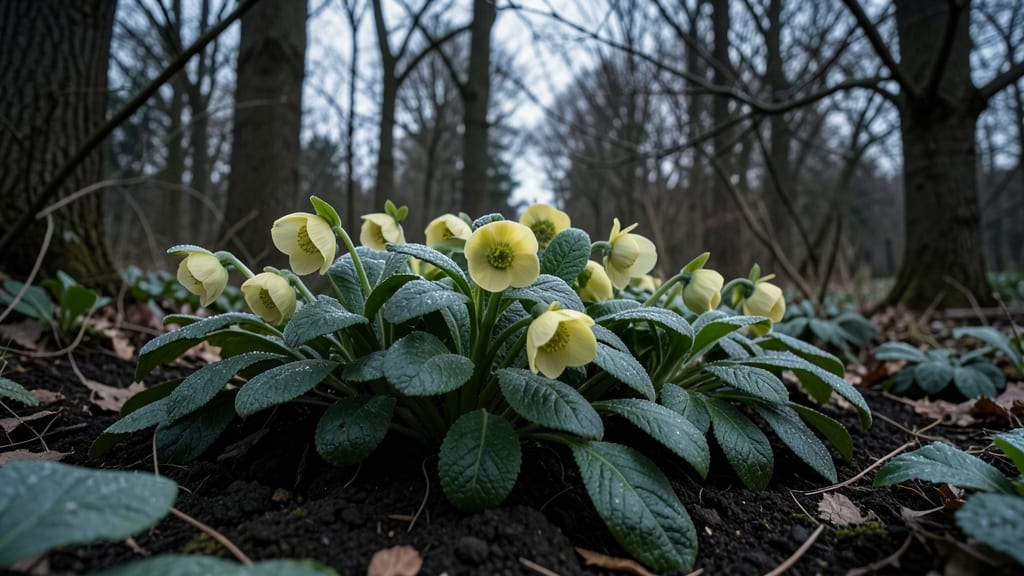
Brighten your winter holidays with these cold-hardy yellow Christmas bulbs that thrive in freezing temperatures. From classic varieties to unique hybrids, these bulbs add cheerful color while surviving harsh winter conditions effortlessly.
Yellow Winter Aconite: Early Bloomer for Snowy Gardens
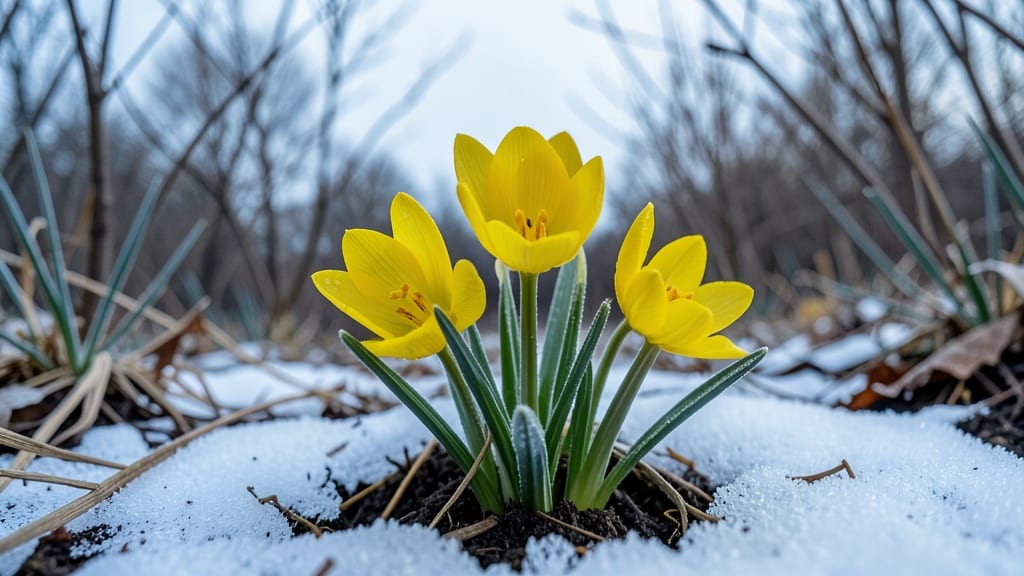
When winter seems endless and your garden looks bare, yellow winter aconite (Eranthis hyemalis) bursts through the snow like a cheerful surprise. This delicate late-winter bloomer appears as early as January, often while snow still lingers, offering sunshine-yellow flowers that brighten even the dreariest landscapes.
Native to woodlands and meadows across Europe, this hardy perennial thrives in USDA zones 3-8 with minimal fuss—plant bulbs in well-draining soil and partial shade for best results. Its small, cup-shaped blooms (about 1 inch wide) contrast beautifully with emerging spring foliage, making it a favorite for woodland gardens and shaded borders. Unlike many winter bloomers, winter aconite tolerates light foot traffic, so it’s perfect for garden paths or under deciduous trees.
Ideal for beginner gardeners and those with shady gardens, winter aconite multiplies over time, creating naturalizing drifts. Pair it with heuchera or ferns for a low-maintenance, evergreen winter display that keeps your garden lively until spring arrives. 🌱
Golden Raindrop Crocus: Tiny but Mighty Winter Flower
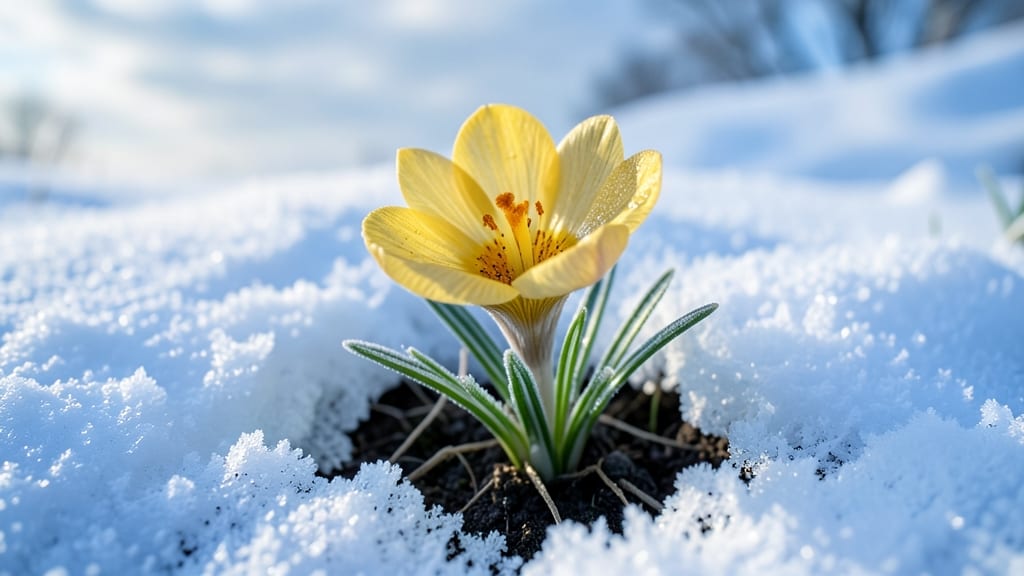
Looking for a tiny but mighty winter flower that thrives where others fail? The golden raindrop crocus (Crocus chrysanthus) is the secret weapon for late-season color, blooming directly through snow with its cheerful golden blooms. Unlike other winter flowers, this dwarf variety stays compact—perfect for rock gardens, containers, or even crevices in walls.
Plant bulbs in full sun to partial shade in fall (September-October) for winter blooms, and they’ll naturalize beautifully over time. Their drought-tolerant nature makes them ideal for low-maintenance gardens, while their late winter bloom time (February-March) fills gaps before spring bulbs emerge. The dark purple stamens add striking contrast to their golden petals, creating a stunning visual pop.
Urban gardeners and small-space enthusiasts will love how these container-friendly bulbs add instant winter cheer without taking up much room. Pair them with evergreens for year-round interest! 🌻
Winter Flowering Cyclamen: Fragrant Yellow Beauty
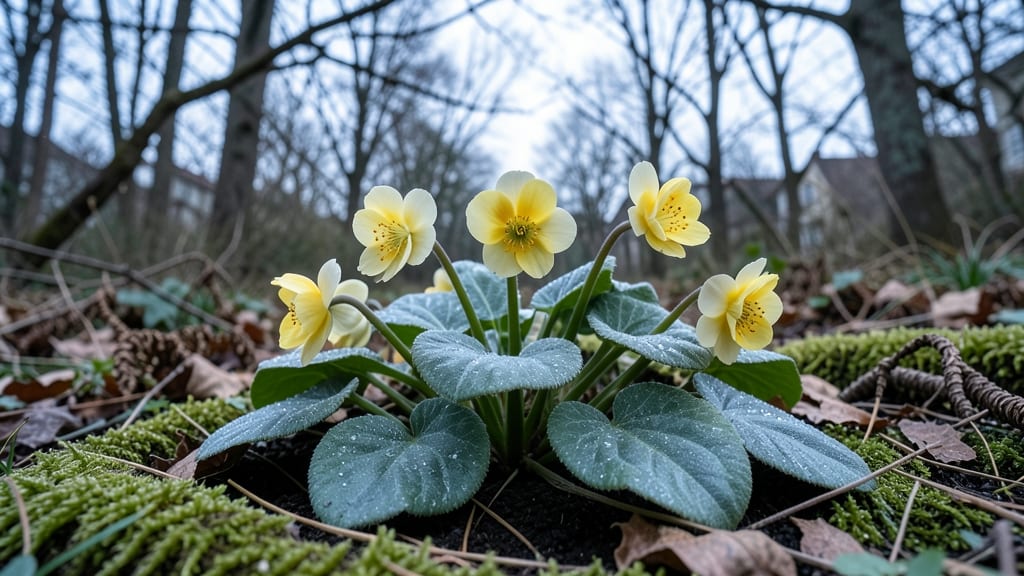
Looking for a fragrant winter bloomer that thrives in shade and brings cheerful yellow color to your garden? Winter flowering cyclamen (Cyclamen coum) is your answer—this bulbous perennial produces delicate, heart-shaped leaves and sweetly scented blooms that appear in early winter, often before snowfall.
Unlike other winter bulbs, cyclamen prefers partial shade and well-draining soil, making it perfect for under trees or along north-facing walls. Plant the bulbs in fall (September-October) just below the soil surface, and enjoy blooms from late winter through early spring. This zone 5-9 beauty also naturalizes well, returning year after year with minimal care.
Ideal for gardeners in milder climates or those seeking shade-tolerant winter color, cyclamen adds a touch of elegance to containers or woodland gardens. Its fragrant flowers even attract pollinators in chilly months! 🌷
Yellow Snowdrop: Harbinger of Spring in Winter
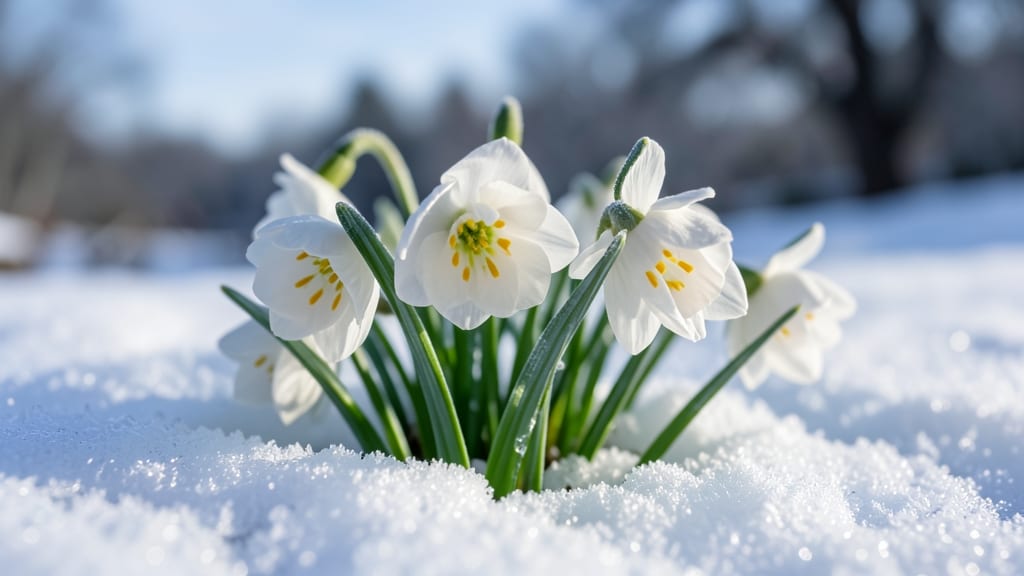
When winter feels endless, yellow snowdrops (Galanthus nivalis 'Flore Pleno') push through snow like nature's promise of renewal. Their delicate white blooms with yellow-tipped petals emerge as early as January, often before snow melts completely, creating a magical contrast against icy landscapes.
These hardy perennials thrive in zones 3-9 with minimal care—plant bulbs in fall 4-6 inches deep in well-draining soil under deciduous trees or shrubs. They naturalize effortlessly, spreading over time to form lush colonies. Unlike other winter bloomers, snowdrops tolerate both shade and partial sun, making them ideal for woodland gardens or underplanting roses.
Perfect for gardeners who want low-maintenance beauty, these bulbs symbolize hope and are often called "the first flowers of spring." Even urban gardeners with limited space can grow them in containers or along garden edges. 🌱
Golden Star Flower: Long-Blooming Winter Perennial
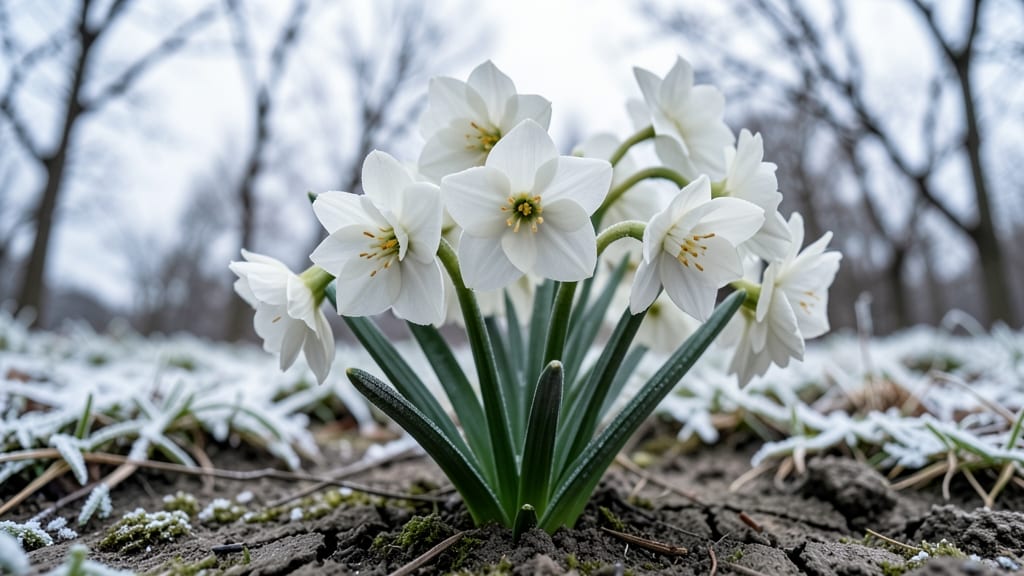
Looking for a yellow winter bulb that outlasts the competition? Meet the golden star flower (Galanthus nivalis 'Flore Pleno' or Leucojum aestivum), a lesser-known treasure that blooms from late winter through early spring—just when most gardens are still dormant.
These star-shaped blooms (each with six delicate petals) create a dazzling display on wiry stems, thriving in partial sun to light shade. Unlike other bulbs, they naturalize effortlessly in moist, well-draining soil and pair beautifully with hellebores or ferns. Plant them in fall (October-November) for a surprise show the following year.
Perfect for cottage gardeners in zones 5-9, this bulb adds extended seasonal interest without the fuss of annuals. 🌟
Yellow Gladiolus Bulbs: Dramatic Late Winter Color
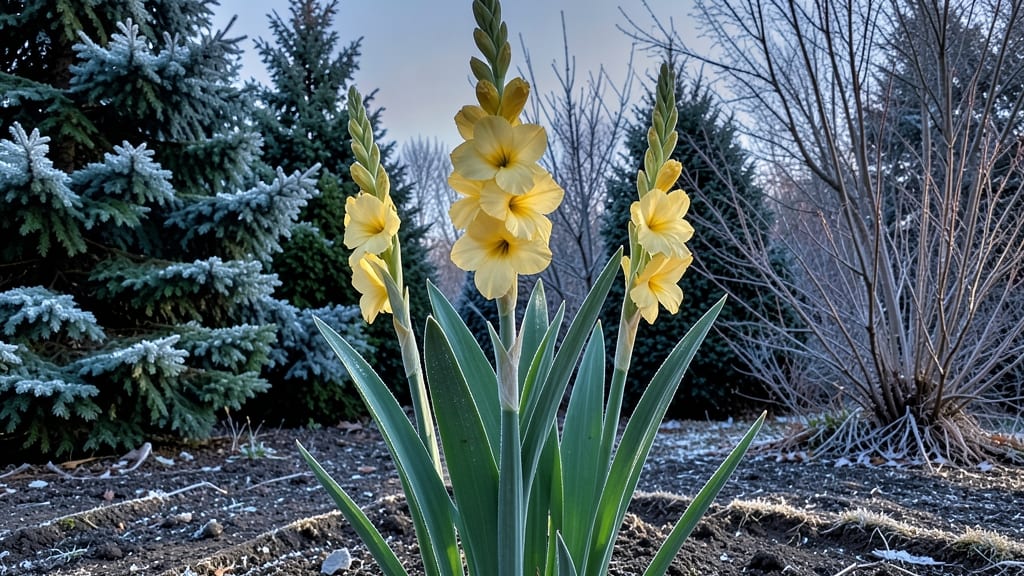
Looking to add a bold statement to your winter garden without sacrificing cold hardiness? Yellow gladiolus bulbs bring unexpected drama with their towering spikes of golden blooms, standing out against frosty landscapes. Unlike their more common red and pink cousins, these lesser-known varieties thrive in zones 7-10 and create vertical interest that's perfect for cutting gardens or winter arrangements.
Plant bulbs in well-draining soil with 6 hours of sun daily, and expect blooms to appear from late winter through early spring. Their striking height (often 3-5 feet) makes them ideal for back-of-border placement or container displays. For extended color, pair with evergreen shrubs like boxwood or holly—this combo keeps your garden vibrant even when most plants are dormant.
Perfect for gardeners in milder climates who want winter color without fuss, these gladiolus varieties also make stunning cut flowers that last up to a week in vases. 🌻
Winter Jasmine: Hardy Climbing Yellow Flowers
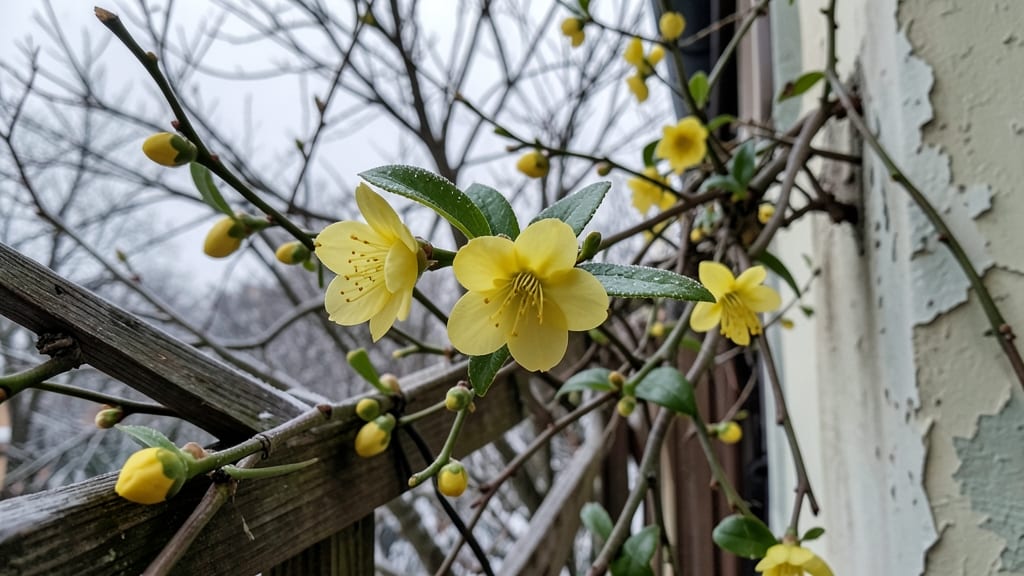
Looking for a pollinator-friendly climber that blooms when most gardens are asleep? Winter jasmine (Jasminum nudiflorum) delivers bright yellow flowers from late winter through early spring, making it a standout for urban gardens and city balconies.
This semi-evergreen vine thrives in zones 6-9 and tolerates urban pollution, drought, and even light frost once established. Plant it near a fence, trellis, or pergola—it grows 6-10 feet tall with minimal pruning. The fragrant blooms attract bees and butterflies early in the season, giving pollinators a critical food source.
Perfect for urban gardeners or anyone with limited space, winter jasmine adds year-round structure (thanks to its glossy foliage) and bold color when other plants are dormant. Just avoid overwatering—it prefers well-drained soil. ✨
Yellow Daffodil Varieties: Classic Winter Cheer
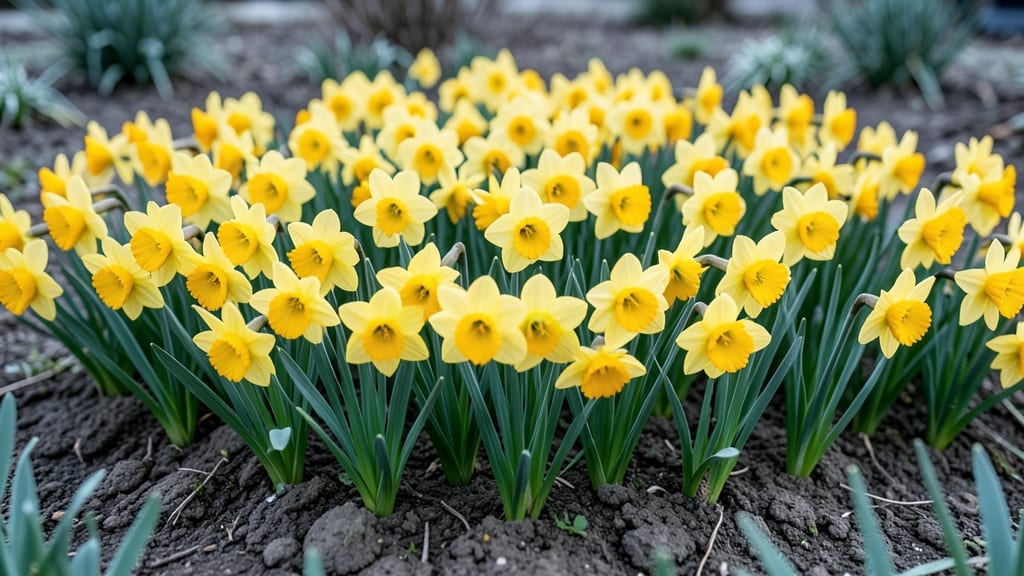
If you crave year-round winter cheer that spreads effortlessly, yellow daffodils like Tête-à-Tête and February Gold are your secret weapon. These cold-hardy varieties punch above their weight by blooming in late winter (often February or March) and multiplying aggressively—creating lush drifts of sunshine with almost no effort.
Plant them in full sun to partial shade in well-draining soil, and they’ll thrive in zones 3-10, outlasting snow and early frosts. The compact Tête-à-Tête (just 6-8 inches tall) is perfect for borders or containers, while February Gold (10-12 inches) adds height. Both resist deer and squirrels, making them low-maintenance stars for naturalizing in lawns or meadows.
For gardeners who want instant impact with minimal upkeep, these daffodils deliver bold color when other plants are still dormant. Perfect for beginners or busy gardeners, they’ll reward you with decades of blooms once established. 🌻
Winter Aloe: Indoor Yellow Christmas Light Alternative
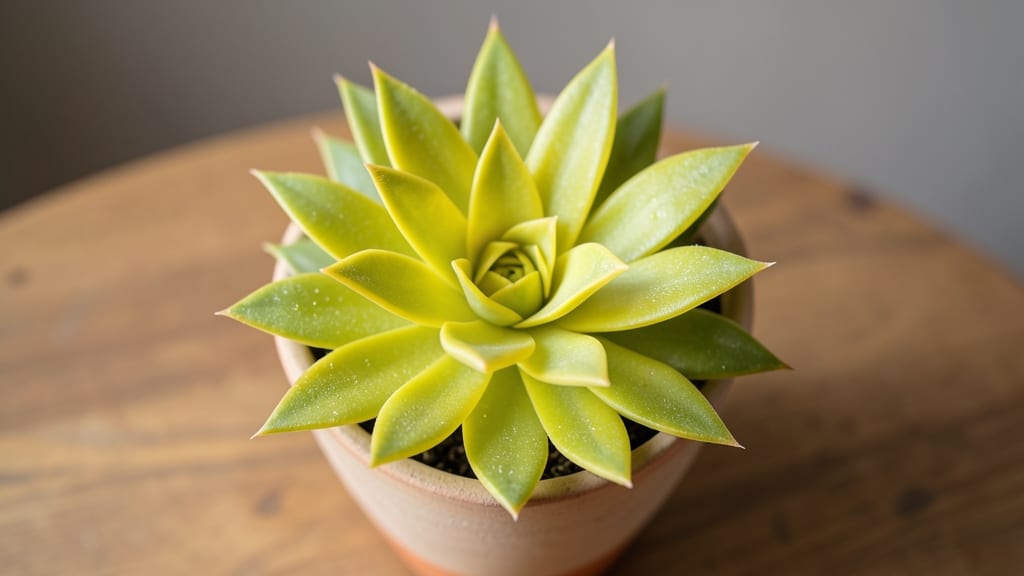
Skip the seasonal bulb drama and bring year-round holiday cheer indoors with winter aloe (Aloe winteri). This striking succulent features sunburst-like yellow-green rosettes that glow like tiny Christmas lights—without the seasonal limitations or fading colors.
Unlike traditional holiday bulbs, winter aloe thrives in low-light spaces (think north-facing windows or offices) and survives on water every 3-4 weeks. Its compact size (12-18 inches) makes it perfect for shelves, desks, or even as a living centerpiece in ceramic pots. The key to keeping it vibrant? Well-draining soil and occasional misting to mimic its desert origins.
This is the ideal plant for urban gardeners or anyone tired of seasonal decorations—just add water and watch it glow year-round. The best part? It’s pet-friendly (non-toxic to cats/dogs) and doubles as a conversation starter. ✨
Hellebore Winter Rose: Shade-Loving Yellow Blooms

If your garden gets little sunlight but you crave winter color, hellebores (also called "winter roses") are your secret weapon. These evergreen perennials produce delicate, nodding yellow blooms in late winter when most plants are dormant, thriving in deep shade where nothing else grows.
Plant hellebores in rich, moist, well-draining soil and they’ll reward you with year-round foliage plus flowers from January through March. Varieties like 'Winter Sun' or 'HGC Winter Sunshine' bring bright yellow cheer to woodland gardens, containers, or under trees in USDA zones 4-9. Their deer-resistant nature makes them a low-maintenance favorite.
Perfect for shade gardeners, urban courtyards, or woodland edges, hellebores prove that winter doesn’t have to be colorless. 💚