
Orchid Care
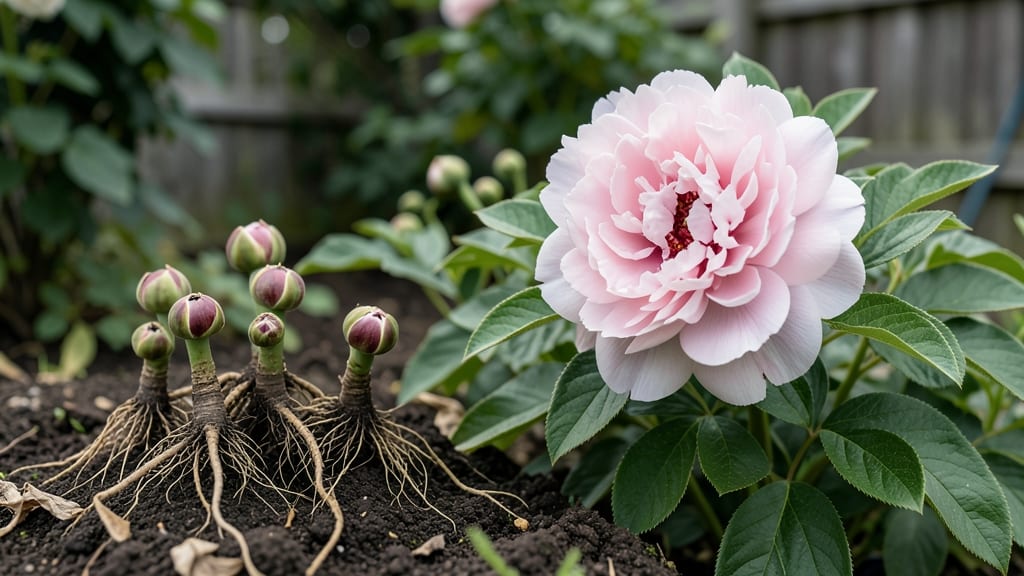
Peonies aren't true bulbs—they grow from thick, woody root crowns called tuberous roots that store nutrients underground for their stunning perennial blooms. These unique roots demand careful planting and specialized care to thrive long-term.
Unlike traditional bulbs like tulips or daffodils, peony roots form a dense, woody structure that sits just below the soil surface. 🌱 This crown stores energy for next year's blooms, which is why peonies need to be planted deeper—typically 2 inches below soil level—to protect them from frost and encourage strong growth.
I've seen gardeners make the mistake of planting them too shallow, which can expose the crown to winter damage or poor nutrient absorption.
The key difference lies in how these roots function: while true bulbs have layered scales that store food, peony crowns act more like a living storage unit that continuously produces new growth. This is why they require well-draining soil and consistent moisture without becoming waterlogged.
When I first started growing peonies, I learned the hard way that overwatering can actually rot these crowns—something that never happens with traditional bulbs.
💡 In This Article
- Peony Root Structure: Why They Aren’t True Bulbs
- Planting and Caring for Peony Roots Like a Pro
Peony root structure: why they aren’t true bulbs
Peony roots form a unique tuberous crown that's fundamentally different from true bulbs like tulips or onions. While bulbs store nutrients in layered, papery scales, peony crowns develop as thick, woody structures that resemble a gnarled knot of roots.
These crowns can grow 3-6 inches in diameter over time, with multiple buds along their surface that will become next year's stems and flowers. The crown's woody texture comes from lignified cells that provide structural support while storing carbohydrates for dormancy.
What makes peony crowns special is their perennial growth habit. Unlike annual bulbs that die back completely each year, peony crowns remain alive underground, slowly expanding their root system while storing energy.
This is why they need 2-3 inches of soil coverage—any less exposes the crown to freezing temperatures, which can kill the plant. I've watched peonies in my garden develop crowns that weigh 2-3 pounds after just 5 years, proving how much energy they accumulate over time.
The root system beneath the crown also plays a crucial role. Peonies develop both fibrous feeder roots (for current season growth) and thick storage roots that extend deeper into the soil.
These storage roots can reach 12-18 inches deep, which is why peonies thrive in well-draining soil that allows them to establish this extensive network. The combination of crown and roots creates what botanists call a "rhizomatous bulb" system—a hybrid between true bulbs and rhizomes.
This unique structure explains why peonies have such long-lived blooming periods. Some heritage varieties can produce flowers for 50+ years when properly cared for, thanks to their efficient nutrient storage system.
The crown's ability to regenerate from multiple buds also makes peonies more resilient than true bulbs—even if some stems are damaged, new growth can emerge from undamaged buds on the crown.
One fascinating aspect is how peony crowns age and mature. Young plants produce small crowns that gradually increase in size as they age.
The larger the crown becomes, the more robust the flowering display—this is why established peonies (5+ years old) often produce 5-10 stems per plant, while younger ones might only have 2-3.
The crown's woody texture also makes it more resistant to rot compared to softer bulb structures, which is why peonies tolerate slightly wetter conditions than many other perennials.
Understanding this structure helps explain why peonies need specific planting conditions. Their shallow crowns must stay cool in summer but not waterlogged, while their deep roots require good drainage.
This is why gardeners often amend heavy clay soils with compost to create the ideal growing environment—one that supports both the crown's shallow needs and the roots' deeper requirements.