
Plants
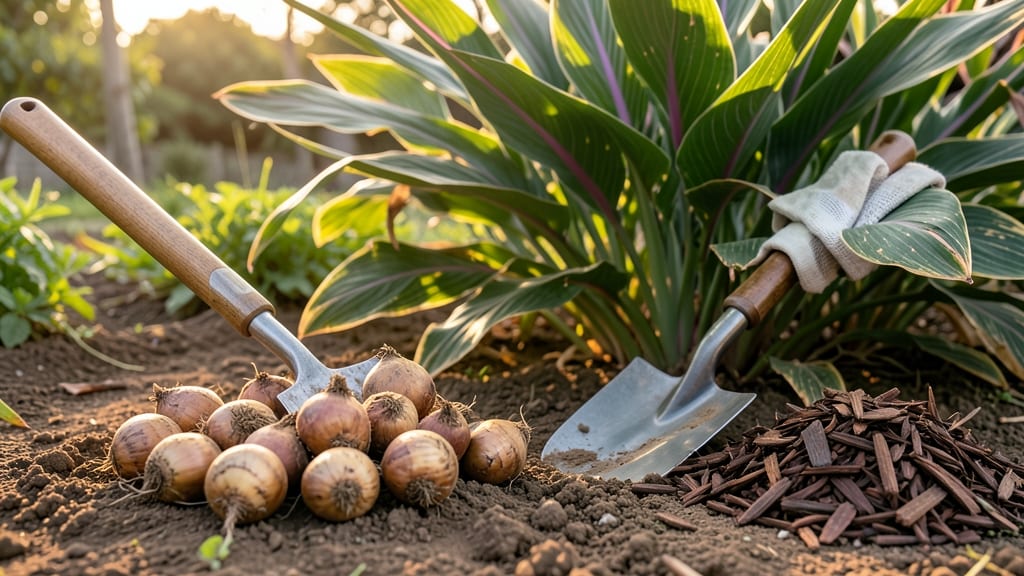
The best time to plant canna bulbs is after your last frost date, when soil temperatures hit a steady 60°F—that’s the secret to those jaw-dropping 🌸 blooms you’ve been dreaming of.
Nothing beats the dramatic, tropical beauty of canna lilies—but planting them at the wrong time can mean wilted dreams before summer even arrives. Timing is everything when it comes to growing these bold bloomers, and your USDA hardiness zone dictates the perfect window for planting canna bulbs.
In Zone 6a, that means waiting until mid-April at the earliest, when the ground thaws and stays warm enough to keep those rhizomes happy. Too soon, and frost will kill them; too late, and you’ll miss the 90-day rush to full bloom.
Below, I’ll break down the exact months for your zone, how to tell when your soil is ready, and even how to stretch the season for fall color—so you can enjoy these showstoppers from summer straight through to autumn.


USDA zone-by-zone timeline for planting canna bulbs
Canna lilies thrive when planted at the right time, but their ideal planting window shifts dramatically depending on your USDA hardiness zone.
In colder zones (3-7), you’ll need to wait until soil temperatures hit 60°F+ and all frost risk has passed, while warmer zones (8-11) can plant as early as February or March for summer-long blooms.
For most gardeners, timing cannas correctly means the difference between vibrant summer blooms and wilted disappointment. Let’s break down the best planting months for each zone, including soil temperature thresholds and frost-free date benchmarks to help you plan.
In USDA zones 3-5, where winters are harsh, cannas are often treated as annuals—planted each spring after the last frost and dug up before the first frost.
The key is to wait until soil temperatures consistently stay above 60°F, which typically aligns with late May or early June in these regions.
Gardeners in zones 6-7 have a slightly longer window, with mid-April to mid-May being ideal. Here, you can push the envelope by using black plastic mulch or row covers to warm the soil faster and extend the growing season.
I’ve found that planting cannas in containers also gives me an extra 2-3 weeks of growing time before moving them outdoors.
For zones 8-9, the magic happens in February or March. These warmer climates allow cannas to establish roots early, giving them a head start for summer blooms. However, a late frost can still damage young plants, so I always keep frost cloth on hand for emergencies.
In the tropical zones (10-11), cannas are perennial and can be planted almost year-round. The best time for summer blooms is January or February, but planting in late summer will give you stunning fall color.
Just be mindful of heavy rains, which can cause rot in waterlogged soil.
One common mistake I see is planting cannas too early in cooler zones. Cold soil can stunt growth or even cause rot, so always check soil temperatures with a soil thermometer before planting.
If your soil is still chilly, wait another week or two—your cannas will thank you with healthier foliage and more blooms.
Pro tip: If you’re in a transitional zone (like zone 7b), consider starting cannas indoors 4-6 weeks before your last frost date. This gives them a jumpstart and ensures they’re ready to thrive outdoors as soon as the weather warms up.
Remember, cannas are sun-worshippers, so choose a spot with at least 6 hours of direct sunlight daily. Whether you’re in a cold zone or a warm one, getting the timing right will set the stage for show-stopping summer blooms that last well into fall. 🌸
Signs your soil is ready for canna bulbs (and how to fix common mistakes)
Canna bulbs thrive in warm, fertile soil—but rushing the planting process can lead to rot or stunted growth. Before you dig, check these critical soil conditions to ensure your cannas get off to a strong start.
The right balance of temperature, moisture, and drainage makes all the difference between vibrant blooms and disappointing flops.
First, your soil must reach at least 60°F (15°C)—cold soil triggers rot before roots can establish. Use a soil thermometer to test depth (4-6 inches down). If it’s cooler, wait or use black plastic mulch to warm the soil faster.
Cannas also need well-draining soil to prevent waterlogged roots, which can suffocate bulbs in just days.
Planting canna bulbs in cold, soggy soil guarantees rot. Even if your air temps are warm, soil stays chilly near the surface. Test depth (4-6")—if below 60°F, delay planting or use row covers to accelerate warming. Pro tip: Amend heavy clay with compost to improve drainage before planting.
Next, assess moisture levels—cannas love consistent dampness but hate standing water. Press your finger 2 inches into the soil; if it feels dry, water deeply before planting. A 3-inch layer of compost mixed into the topsoil boosts organic matter, which helps retain moisture while preventing compaction.
Avoid fresh manure, as it can burn tender roots.
Improper planting depth is another silent killer. Cannas need 2-4 inches of soil cover—burying them too shallow exposes rhizomes to temperature swings, while planting too deep starves them of sunlight.
Use your finger to gauge depth: the top of the bulb should sit 1-2 inches below soil level for optimal growth.
If your soil fails any of these tests, don’t panic! Amend it now with a 50/50 mix of garden soil and compost, or create a raised bed for better control.
For waterlogged areas, add perlite or coarse sand to improve drainage. With the right prep, your cannas will reward you with tropical blooms all summer long.
Remember, cannas are heat-loving divas—they’ll forgive minor soil quirks if you address them early. Start with these checks, and you’ll be well on your way to a show-stopping garden display by midsummer. 🌸