
Planting
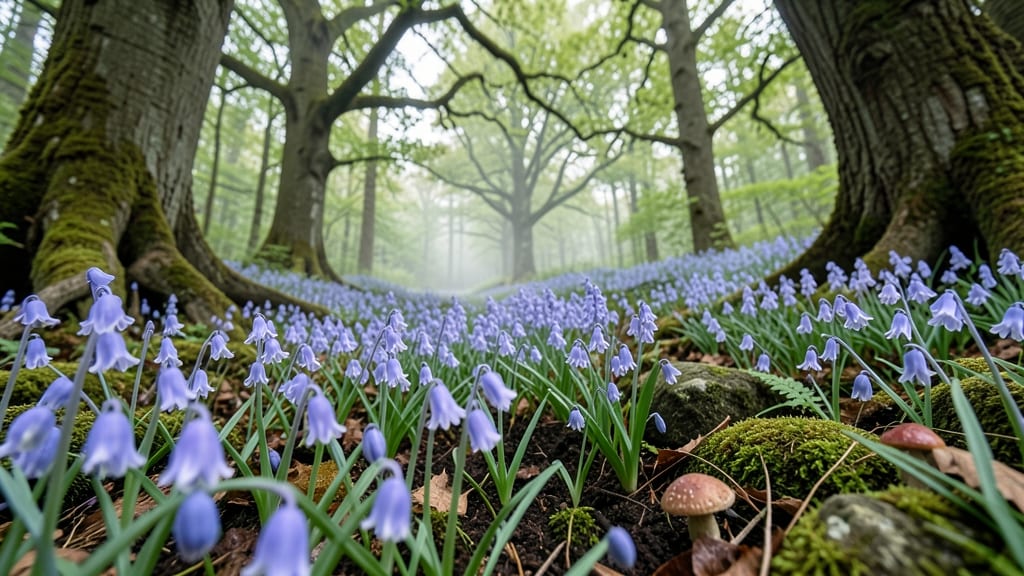
April showers bring gardening opportunities—plant these 10 hardy bulbs now for vibrant, low-maintenance blooms that return every spring. Perfect for beginners and experienced gardeners alike, these frost-resistant varieties thrive with minimal care.
Daffodils for Early Spring Color
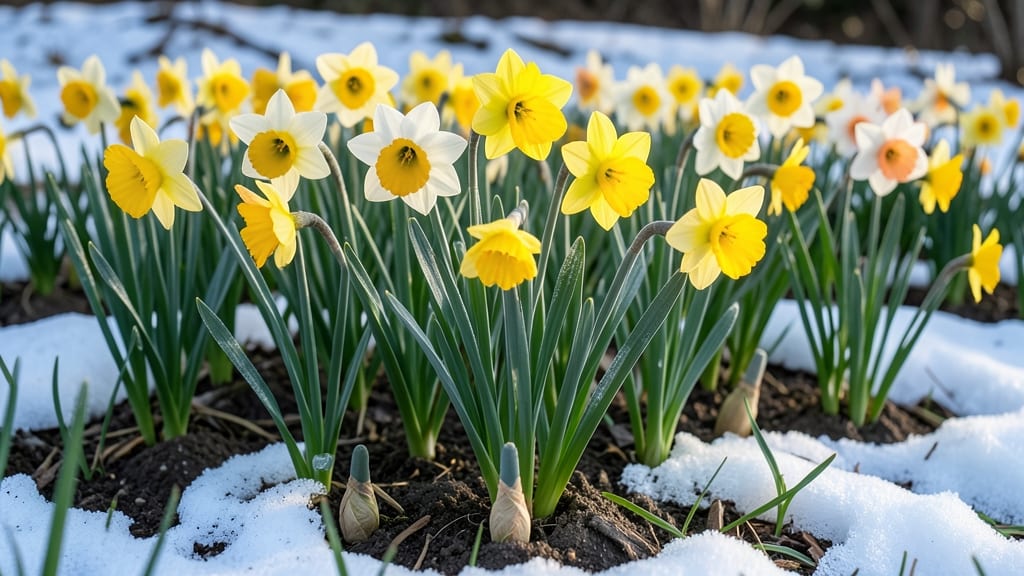
When you crave early spring color that’s both cheerful and hardy, daffodils are the perfect choice. These classic bulbs bloom reliably year after year, often pushing through snow to greet you with their bright faces. Plus, their scent and toxicity make them a natural deer deterrent—ideal for gardens where wildlife is a concern.
Plant daffodil bulbs in well-drained soil with 6 hours of sun for best results, though they tolerate partial shade. Choose from yellow, white, or orange varieties like 'Tête-à-Tête' (compact) or 'Ice Follies' (pure white) to suit your garden’s style. After blooming, let the foliage die back naturally to fuel next year’s flowers.
Perfect for sunny borders, woodland edges, or even containers, daffodils bring joy with almost no effort. They’re especially great for gardeners who want low-maintenance, long-lasting color that brightens early spring. 🌱
Tulips for Bold Garden Statements
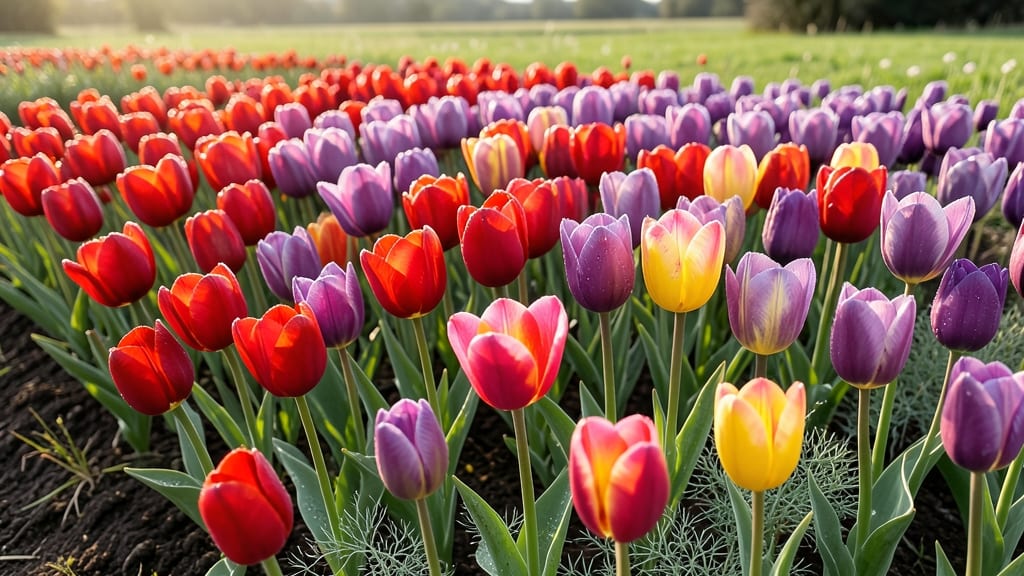
Want to turn heads in your garden this spring? Tulips are the ultimate statement-makers, offering 3,000+ varieties in every color imaginable—from fiery reds to dreamy purples and even bold two-tone blooms. Unlike last season’s daffodils, tulips let you mix and match colors in large drifts for a showstopping effect that lasts weeks.
For best results, plant bulbs in well-drained soil with 6 hours of sun daily, but don’t worry—some varieties like ‘Fosteriana’ or ‘Darwin Hybrid’ tulips handle partial shade gracefully. Space bulbs 4-6 inches apart and 6-8 inches deep for optimal growth. Pro tip: Add a layer of mulch after planting to protect bulbs from frost and retain moisture.
These bulbs are perfect for gardeners who love high-impact, low-maintenance plants. Whether you’re lining a walkway, filling a container, or adding drama to a border, tulips deliver instant curb appeal that’s hard to beat. 🌻
Alliums for Unique Purple Spikes
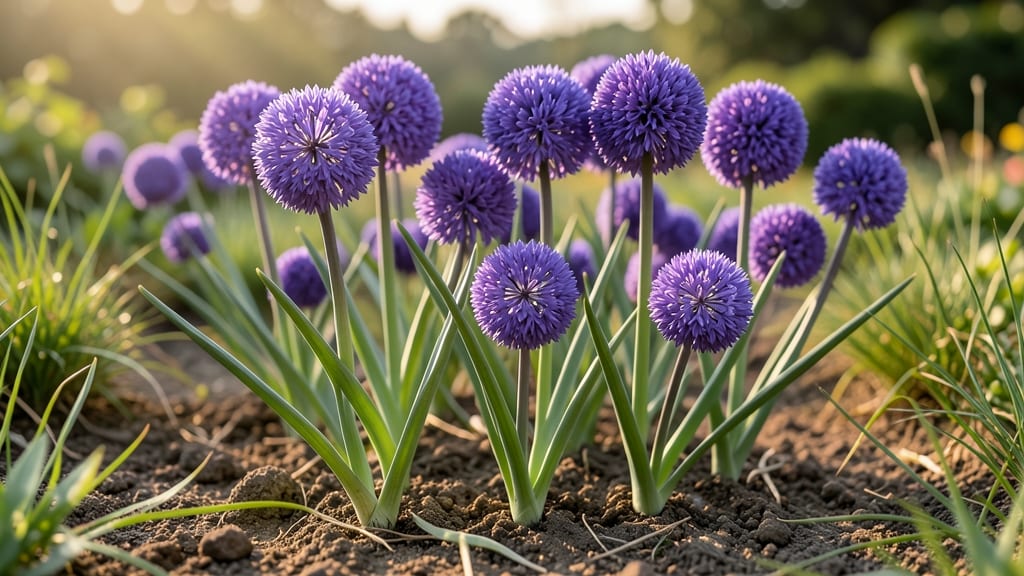
Skip the traditional spring blooms—alliums bring drama with their striking purple globes that rise like architectural sculptures in your garden. These ornamental onions thrive in USDA Zones 3-9, making them a versatile choice for nearly any climate.
Plant bulbs 6-8 inches deep in well-drained soil, spacing them 8-12 inches apart for full impact. Once established, they’re drought-tolerant and require little maintenance, making them ideal for pollinators like bees and butterflies. Varieties like Allium giganteum or Allium schubertii add height (up to 5 feet!) while Allium cristophii offers delicate star-shaped blooms.
Perfect for cutting gardens or pollinator-friendly landscapes, alliums pair beautifully with perennials like lavender or grasses. Their late-spring to early-summer bloom time fills gaps when other flowers fade. 🌻
Hyacinths for Fragrant Spring Perfume
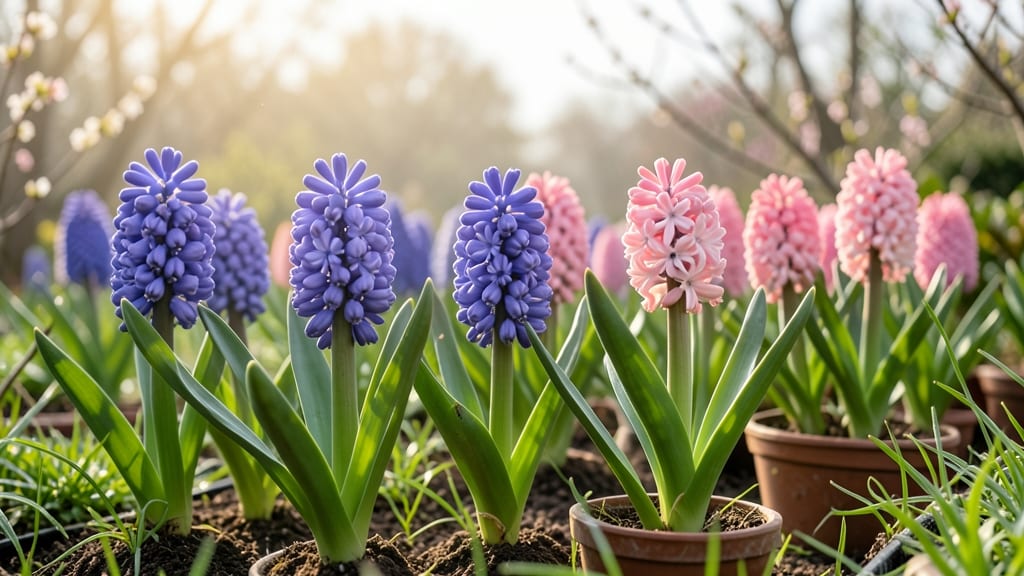
Transform your garden into a fragrant spring retreat with hyacinths, whose sweet, intoxicating scent fills the air like a natural perfume. Unlike their showy but silent neighbors, these bulbs deliver a sensory experience that’s as rewarding as it is easy to grow.
Plant them in containers or borders—they thrive in both—where their vibrant blooms (pink, purple, white, or blue) will attract bees and butterflies. Give them 6 hours of sun daily and well-drained soil, and they’ll reward you with blooms in just 4-6 weeks. For small spaces, tuck them near seating areas or windows where you can enjoy their perfume up close.
Perfect for urban gardeners, hyacinths bring big impact with minimal effort. Their year-round dormancy means no upkeep once planted—just dig, drop, and wait for spring’s sweetest surprise. 🌷
Crocuses for Tiny but Mighty Blooms
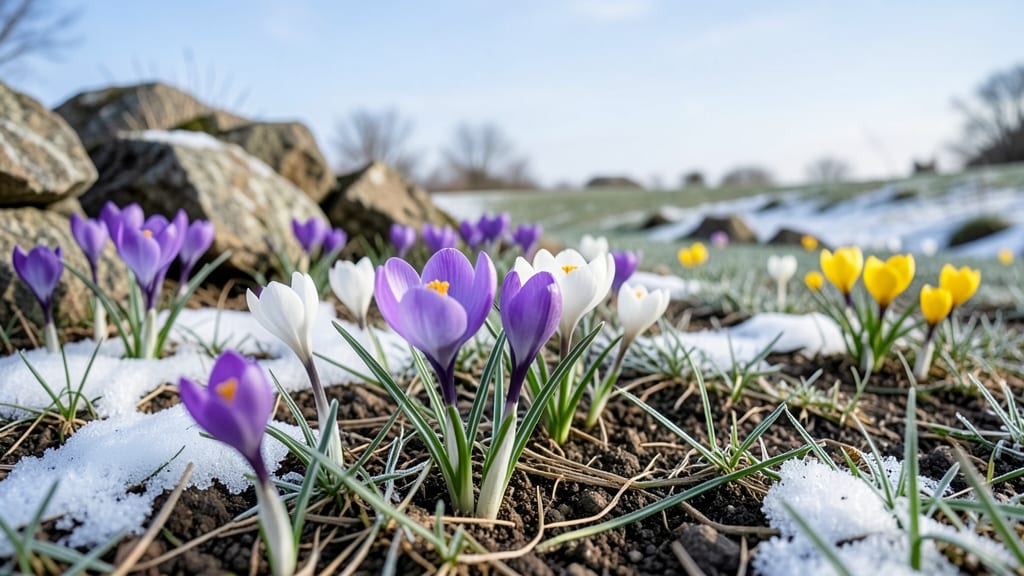
When you crave the first splash of color after winter’s gray, crocuses are your secret weapon. These tiny but mighty blooms punch above their weight, emerging through snow or grass to announce spring’s arrival with cheerful purple, white, or yellow cups.
Plant them in lawns, rock gardens, or containers for early pollinator support—bees adore their nectar. Some varieties, like saffron crocus, even produce edible stigmas used in cooking. For best results, tuck bulbs just 2 inches deep in well-draining soil and space them 3 inches apart. They thrive in full sun to partial shade and multiply over time for more blooms each year.
Perfect for urban gardeners with small spaces or those who want to add whimsy to their landscape, crocuses bring joy with almost no effort. 🌱
Fritillaria for Checkered Bell Flowers
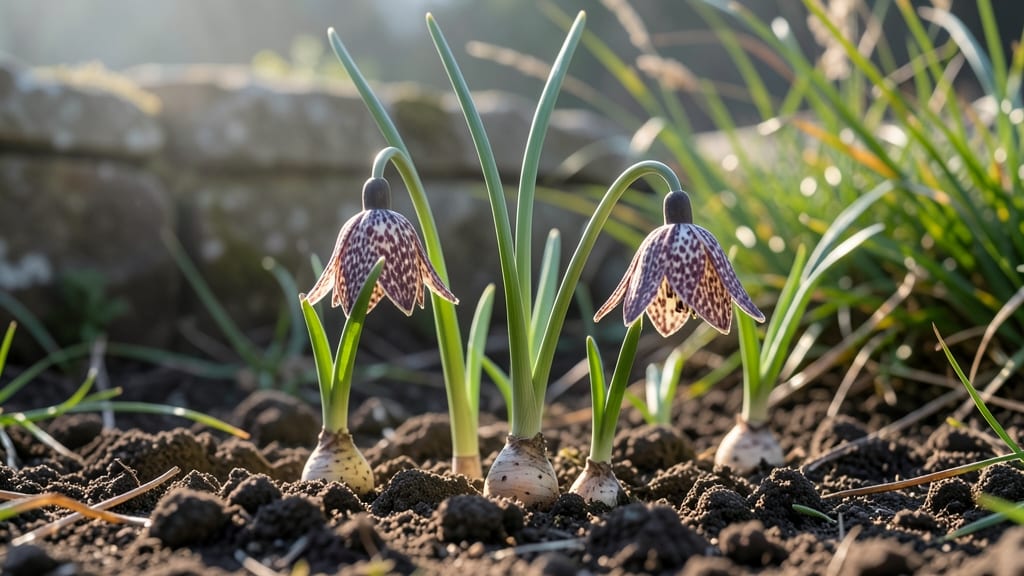
Skip the predictable tulips and daffodils—fritillaria brings a whimsical, almost impossible-to-find-elsewhere look to your garden with its checkered bell flowers. These exotic bulbs thrive where others struggle, making them a secret weapon for cottage gardeners craving something unique.
Plant fritillaria in partial shade and well-drained soil (they despise soggy roots) for striking blooms that appear in late spring. Varieties like Fritillaria meleagris (snake’s head fritillary) produce delicate, chessboard-patterned flowers that last weeks. Space bulbs 4-6 inches apart and 4-6 inches deep—they’ll naturalize beautifully over time.
Perfect for gardeners who love unexpected surprises, fritillaria multiplies reliably and attracts pollinators without the fuss of high-maintenance blooms. 🌷
Muscari for Grape-Like Blue Clusters
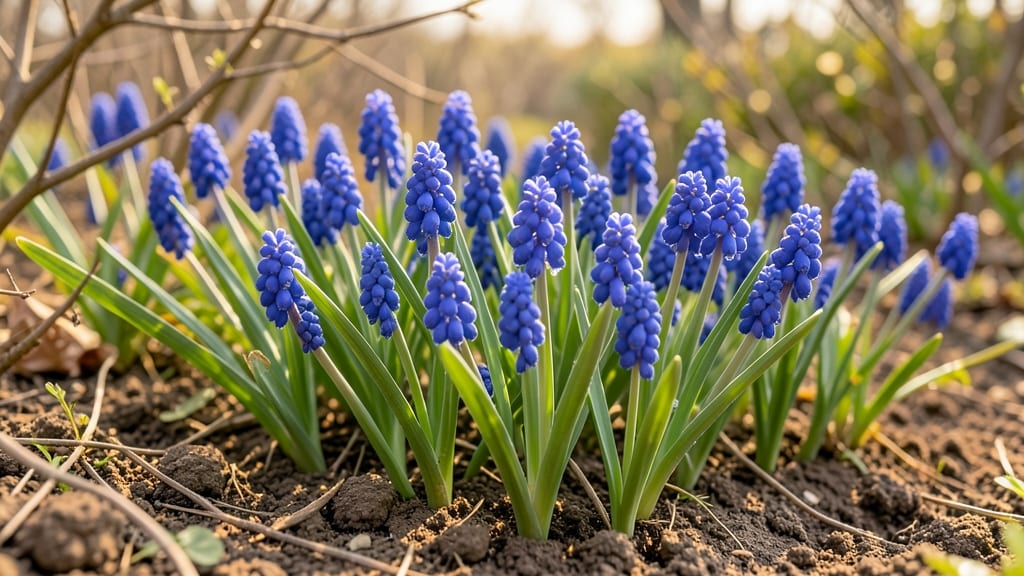
If you’re tired of deer munching your spring blooms or struggling to keep plants alive during dry spells, muscari (grape hyacinths) are your secret weapon. These hardy bulbs deliver drought-resistant beauty with their striking blue grape-like clusters, thriving even in neglected corners of the garden.
Plant them in full sun to partial shade at a depth of 2-3 inches, spacing bulbs 3-4 inches apart. They naturalize effortlessly, spreading over time to fill gaps in borders or create a meadow-like effect. Plus, their vertical spikes add height and texture to any planting scheme, making them ideal for cutting gardens too.
Perfect for busy gardeners, deer-prone areas, or drought-prone regions, muscari reward you with year-round interest—even their foliage stays attractive long after blooming. 🌱
Snowdrops for Winter-to-Spring Blooms
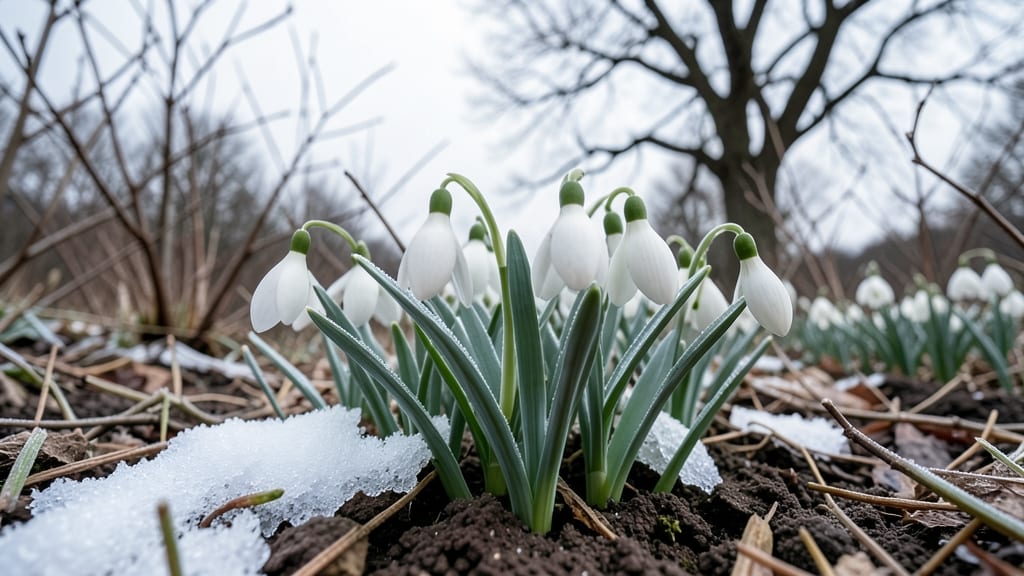
When winter feels endless and your garden looks bare, snowdrops arrive like tiny messengers of spring. These delicate white blooms often push through snow or emerge as soon as it melts, offering a symbol of hope that brightens even the darkest corners of your yard.
Plant them in partial to full shade under trees or shrubs, where they thrive in moist, well-drained soil. Snowdrops are perennial, multiplying over time to form lush colonies, and they’re deer-resistant, making them a low-maintenance choice for woodland gardens or shady borders.
Perfect for gardeners who love quiet beauty, these early bloomers reward patience with year-round interest—even their sword-like foliage adds texture long after the flowers fade. 🌱
Lily of the Valley for Sweet Scent
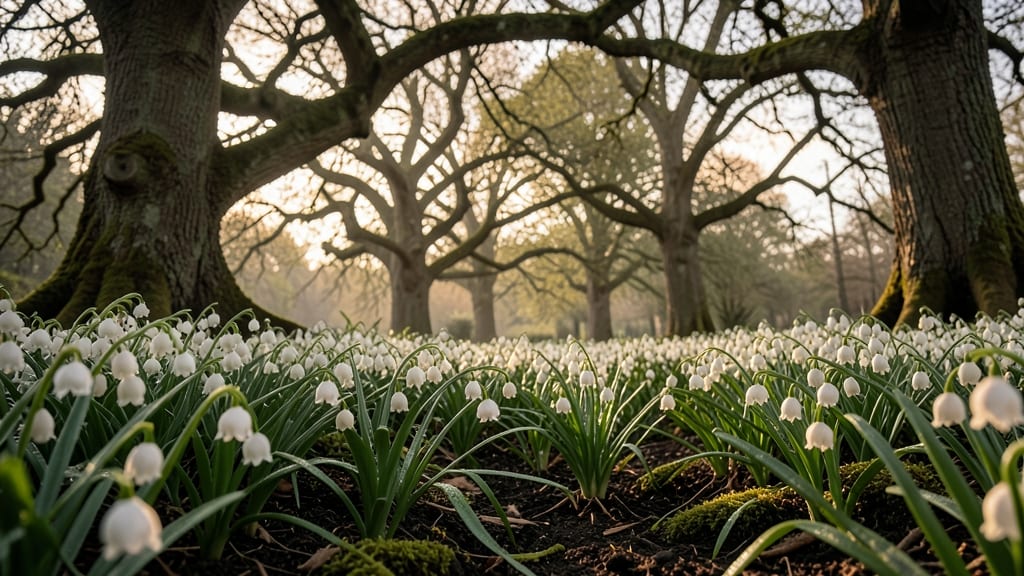
Craving a garden that smells like spring without needing sunlight? Lily of the Valley delivers cascades of bell-shaped white blooms with a heavenly fragrance that lingers in the air. Unlike sun-loving bulbs, this shade specialist thrives under trees or shrubs where other plants struggle.
Plant the bulbs in moist, well-drained soil (they hate soggy roots) and space them 6 inches apart for a lush, natural look. The late spring blooms (May-June) create a romantic carpet of scent, perfect for traditional cottage gardens or woodland edges. Just be patient—it takes 2-3 years for established clumps to reach their full fragrant potential.
This bulb is a must for gardeners who love low-maintenance elegance and want to fill shady spots with living perfume. Just avoid planting where children or pets might nibble—the leaves contain mild toxins. 🌷
Bluebells for Woodland Magic

Step into a fairy-tale garden with bluebells, nature’s most enchanting woodland bulb. Their delicate bell-shaped flowers cascade like blue waterfalls under tree canopies, creating a magical carpet of color that thrives where sun struggles to reach.
Plant these shade-loving bulbs in moist, well-drained soil under deciduous trees or along woodland edges. Space them 6 inches apart and 3 inches deep—they’ll naturalize beautifully over time, spreading into lush colonies. Unlike many bulbs, bluebells prefer dappled light and humid conditions, making them perfect for urban gardens with mature trees.
For gardeners craving low-maintenance beauty without sacrificing charm, bluebells deliver effortless elegance. Their spring blooms (April-May) attract pollinators while their deer-resistant nature makes them a hassle-free choice for wild gardens. 🌷