
Planting
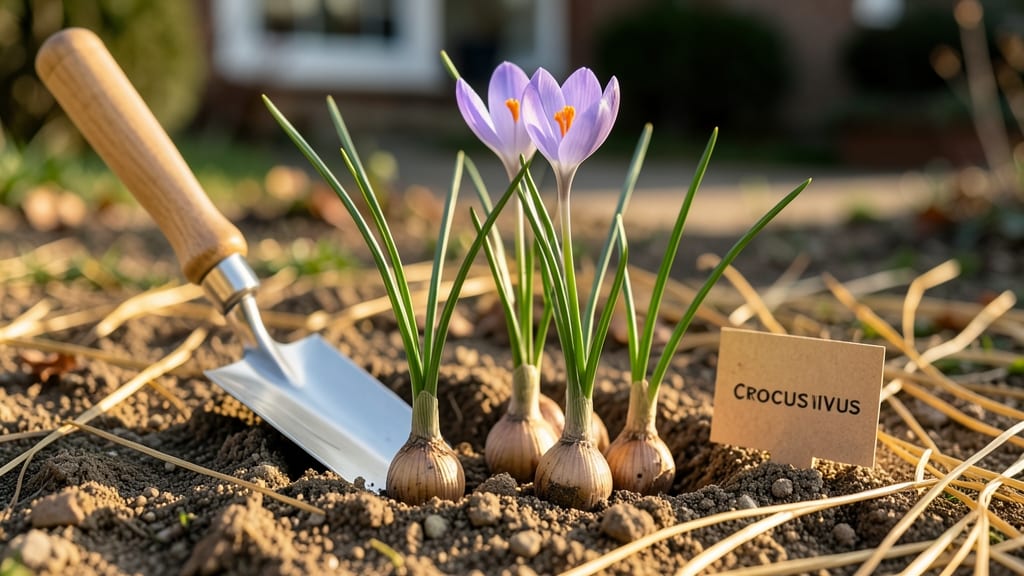
Planting saffron crocus bulbs transforms your fall garden into a hidden treasure trove—those tiny bulbs yield the world’s most expensive spice. 🌱 I’ve grown them for years, and the key to success starts with chill-hardened varieties that thrive in cooler climates. The secret?
Planting them deep enough to survive winter’s freeze-thaw cycles while still producing vibrant purple blooms that reward you with golden threads. You’ll need well-draining soil, a sunny spot, and patience—these bulbs take 6-8 weeks to sprout after planting.
The real magic happens in autumn when you tuck them into the ground, about 4 inches deep and 3 inches apart, mimicking their natural Mediterranean habitat. Too shallow, and they’ll heave out of the soil; too deep, and they’ll struggle to push through.
By late fall, you’ll have a carpet of delicate blooms waiting for harvest. The saffron threads hide inside those purple petals, and harvesting them is part of the joy—though it takes 150 flowers to make just one teaspoon of spice. The payoff?
Fresh saffron for cooking, with a flavor no store-bought substitute can match. This method works in USDA Zones 3-9, whether you’re planting in containers or directly in garden beds.
Just remember: dormancy is part of the process, and the bulbs will return year after year if given the right care. Let’s get those bulbs in the ground!
📚 In This Guide
- What you need
- Instructions
- Tips and common mistakes
- Wrapping up and next steps
What you need
- ● Saffron crocus bulbs (Crocus sativus) – Chill-hardened varieties (e.g., 'Rembrandt' or 'Zwanenburg'). Purchase 5–10 bulbs per square foot for optimal coverage.
- ● Well-draining soil mix – A blend of 60% garden soil, 30% compost, and 10% perlite or sand to prevent rot.
- ● Garden trowel or bulb planter – For precise planting at 3–4 inches deep and 3–4 inches apart.
- ● Organic mulch – 2–3 inches of straw or shredded leaves to retain moisture and regulate temperature.
- ● Watering can with a fine rose nozzle – For gentle, deep watering (1 inch per week, adjusting for rain).
- ● Garden gloves – To protect hands while handling bulbs and soil.
- ● Soil pH test kit – Aim for a slightly acidic to neutral pH (6.0–7.0).
- ● Slow-release fertilizer (10-10-10) – Apply 1 tbsp per square foot at planting time.
- ● Row markers or labels – To track varieties and planting dates.
- ● Frost cloth or cold frame – For extending the growing season in colder climates.
- ● Harvesting tools – Small scissors or tweezers for carefully snipping stigmas.
Step-by-step instructions for planting saffron crocus bulbs
Here's the foolproof method I've used to grow vibrant saffron crocus year after year.
🌱 Step 1: Choose the Right Location and Timing
Saffron crocus thrives in full sun to partial shade—at least 6 hours of sunlight daily. I plant mine in late summer or early fall, about 6-8 weeks before your first frost. This gives the bulbs time to establish roots before winter dormancy. If you live in a warm climate, plant in late winter to avoid summer heat stress.
Pick a spot with well-draining soil—saffron hates soggy roots. If your soil drains poorly, mix in sand or perlite to improve drainage. I always test the spot by digging a hole and filling it with water; if it drains in under an hour, it's perfect for these delicate bulbs.
🪴 Step 2: Prepare the Soil and Plant the Bulbs
Loosen the soil to a depth of 6-8 inches with a garden fork or trowel. Saffron crocus bulbs are small—about the size of a grape—so I plant them 3-4 inches deep and 3 inches apart. For a 4-plant harvest, space them in a small cluster or line.
Place the bulb with the pointed end facing upward. Cover lightly with soil, then water gently to settle it. Don't overwater—just enough to moisten the soil around the bulb. I like to add a thin layer of mulch afterward to protect the bulbs during winter.
☀️ Step 3: Care for the Bulbs Through the Seasons
Once planted, saffron crocus needs minimal care. Water lightly in fall, then let nature take over—these bulbs are drought-tolerant once established. In spring, you'll see narrow, grass-like leaves emerge, followed by delicate purple flowers. This is when the magic happens: the three crimson stigmas inside each flower are your saffron harvest.
After flowering, let the leaves die back naturally—they store energy for next year's blooms. In late summer, you can lift and divide the bulbs if they've multiplied, but I usually leave them in place for continuous harvests. Just be patient—it takes about 2-3 years for bulbs to fully mature and produce the most saffron.
⏰ Step 4: Harvest and Store for Next Year
Harvest saffron stigmas in the morning when they're fully open but still damp with dew. Gently twist or cut the stigmas from the flower—don't pull the whole flower, or you'll damage the bulb. A single plant yields about 10-15 threads, so you'll need 50-100 flowers for just 1 teaspoon of saffron.
Dry the stigmas immediately in a dark, well-ventilated area for 1-2 weeks. Store them in an airtight container away from light and moisture. For next year, replant the bulbs in late summer, and the cycle begins again. I've had the same clumps produce saffron for over 5 years with no issues.
Tips & tricks for perfect saffron crocus planting
These little details make all the difference when growing your own saffron—trust me, I've learned them the hard way!
Timing Secret: That 6-8 week window before your first frost is non-negotiable for chill-hardened varieties. I mark my calendar for late September in most zones, but double-check your local frost dates—planting too early can cause premature growth. If you're in a warmer climate, late winter planting works just fine, but avoid summer heat which can stress the bulbs before they're established.
Soil Test Trick: Before planting, I always do this quick drainage test: dig a 6-inch hole, fill it with water, and time how long it takes to drain. If it takes longer than an hour, mix in sand or perlite to improve drainage. Saffron bulbs will rot if they sit in soggy soil—this simple test saves you from losing your entire crop.
Planting Orientation: Those tiny bulbs have a pointed end (the shoot) and a flatter base (the root). Plant with the pointed end facing up—it's subtle, but this ensures your bulb grows straight and strong. I like to visualize it as a little arrow pointing toward the sky. If you plant them upside down, they'll still grow, but you might get wonky stems that make harvesting harder.
Harvesting Hack: For the most vibrant saffron, harvest in the cool morning hours when the stigmas are still damp with dew. Use sharp scissors to snip them cleanly—twisting can damage the flower's base. I work quickly and lay the stigmas on a dark, breathable surface (like a paper towel) to start drying immediately. The faster you dry them, the richer the color and flavor will be.
Pro Tips for Planting Saffron Crocus Bulbs
- These little details make all the difference when growing your own saffron—trust me, I've learned them the hard way!
- Timing Secret: That 6-8 week window before your first frost is non-negotiable for chill-hardened varieties.
- Soil Test Trick: Before planting, I always do this quick drainage test: dig a 6-inch hole, fill it with water, and time how long it takes to drain.
Frequently asked questions
Got questions about planting saffron crocus bulbs?
You’re not alone! Here are answers to the most common ones to help you grow this fragrant, golden treasure with confidence.
When is the best time to plant saffron crocus bulbs?
Plant them in early fall (September–November), about 6–8 weeks before the first hard frost. This gives bulbs time to root before winter dormancy. Avoid planting in spring—they need cold exposure to thrive!
How deep should I plant saffron crocus bulbs?
Plant them 3–4 inches deep in well-draining soil. Deeper planting (up to 6 inches) works in heavy clay but risks rot. Space bulbs 3–4 inches apart for easy harvesting and airflow.
Do saffron crocus bulbs need winter protection?
Most varieties are hardy to USDA Zone 5 and tolerate cold, but mulch lightly (2–3 inches of straw) in extreme winters. Avoid heavy mulch—it can cause rot. In warmer climates, they’ll bloom earlier but may need shade in summer.
Can I grow saffron crocus in containers?
Yes! Use well-draining pots (at least 6 inches deep) with a mix of potting soil and perlite. Place containers in full sun to partial shade and move them to a garage or cold frame during winter if temps drop below 20°F.
Why aren’t my saffron crocus bulbs flowering?
Check these fixes:
- Not enough chill hours? They need 12–16 weeks below 40°F to bloom.
- Too much shade? Ensure 6+ hours of sun daily.
- Overcrowding? Divide bulbs every 3–4 years for better blooms.
- Poor drainage? Amend soil with sand or compost.
Wrapping up and next steps
Planting saffron crocus bulbs is a rewarding journey that unlocks a luxurious harvest of golden threads—perfect for chefs, gardeners, and DIY spice lovers alike! 🌱 With the right chill-hardened varieties, you can enjoy year-round blooms and a bountiful crop with minimal fuss.
Now that you’re equipped with the know-how, roll up your sleeves and get planting! Start small, track your progress, and soon you’ll be savoring the rich, aromatic magic of homegrown saffron in your favorite dishes.
Next step: Mark your calendar for bloom time (usually late fall to early winter) and prepare to harvest those precious stigmas—your kitchen (and taste buds) will thank you! 🌟