
Planting
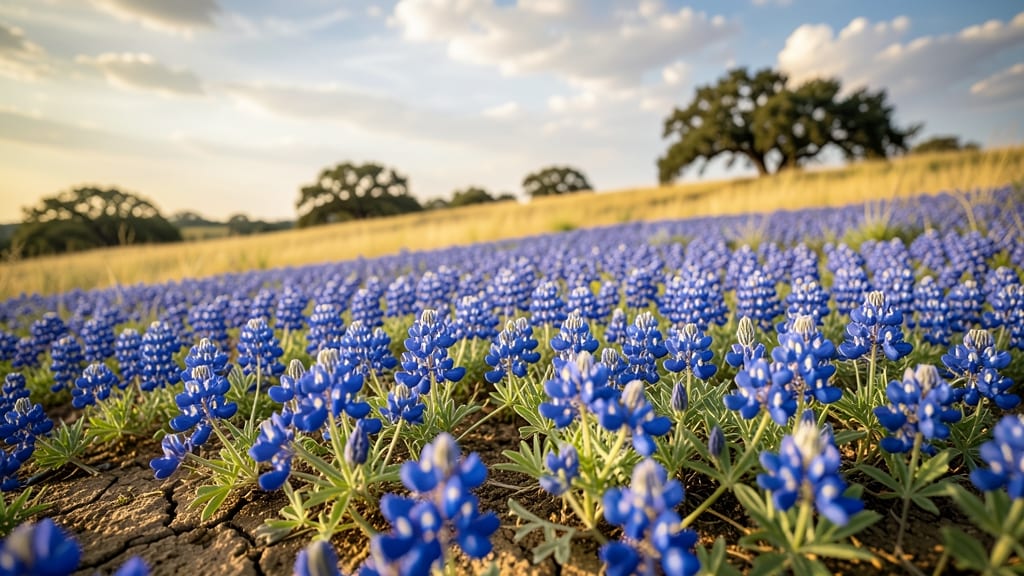
March is the perfect time to jumpstart your garden with bulbs that deliver vibrant early spring blooms. These 10 fast-growing varieties ensure your landscape bursts into color before summer even arrives, with minimal effort from you.
Daffodils for Reliable Early Spring Cheer
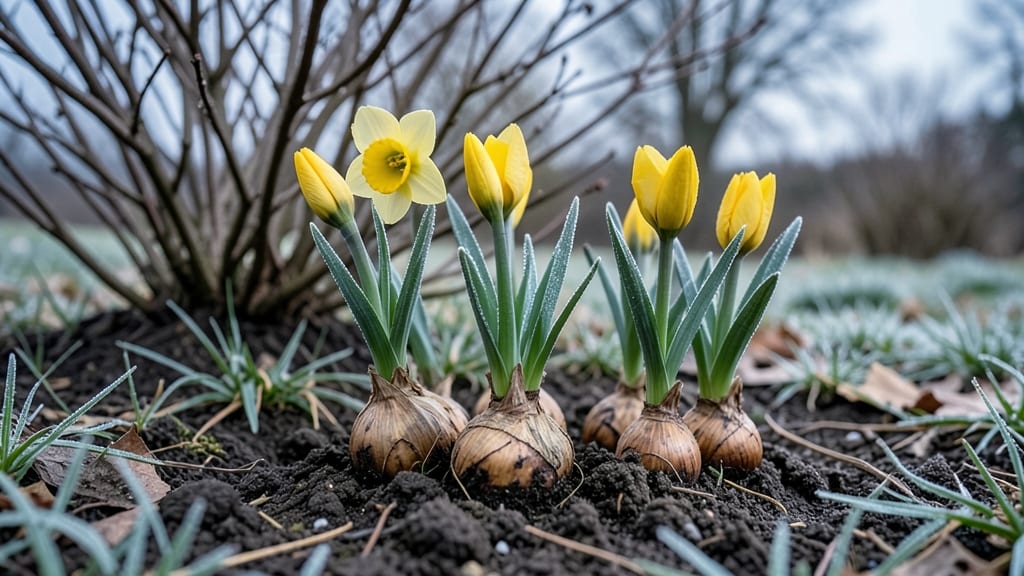
March’s chill shouldn’t stop you from planting—daffodils thrive in cold temperatures and even push through light frost, making them the ultimate early spring hero. Their cheerful yellow blooms appear when little else is growing, signaling the season’s renewal with minimal fuss.
Plant daffodil bulbs 6-8 inches deep in well-draining soil and space them 4-6 inches apart for a natural look. These bulbs are deer-resistant, so they’ll survive where other plants might get munched. Choose sunny borders or woodland edges—they’ll return year after year, multiplying over time with proper care.
Perfect for beginners or busy gardeners, daffodils bring instant joy and require almost no maintenance once established. 🌻
Tulips for Bold Color Variety
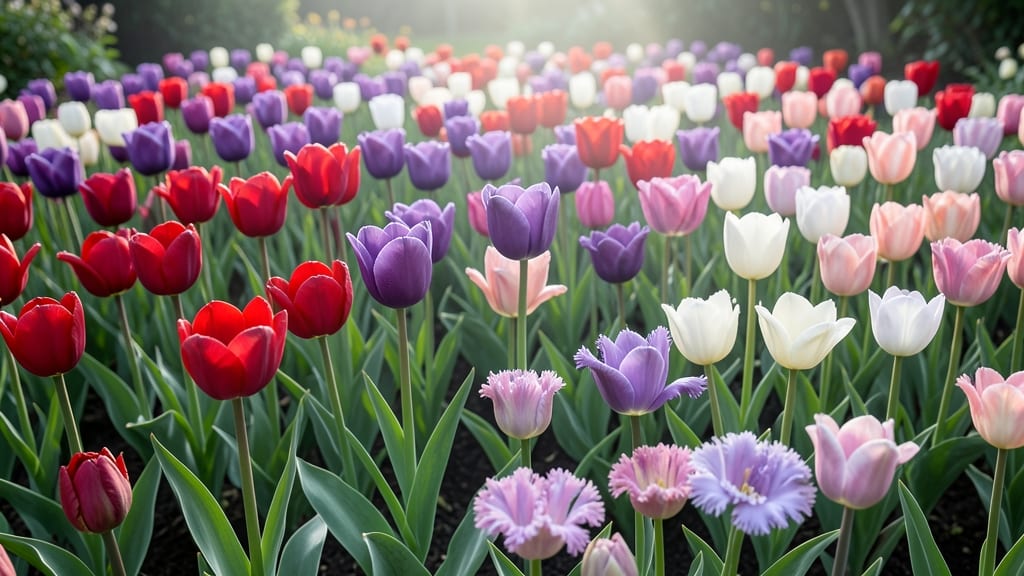
Ready to transform your garden into a springtime masterpiece with just one bulb type? Tulips bring over 100 vibrant cultivars—from deep reds and purples to soft whites and pinks—each with its own unique bloom shape and height, perfect for cutting gardens or container arrangements.
Plant them in full sun (at least 6 hours daily) with well-draining soil, and choose a spot where they’ll get consistent moisture after planting. For container growing, select small varieties like 'Tiny Tim' or 'Apeldoorn' to avoid overcrowding. Deadhead spent blooms to encourage stronger foliage next year, and consider adding a layer of mulch to protect bulbs from temperature fluctuations.
Urban gardeners and small-space enthusiasts will love how tulips adapt to containers, while traditional gardeners can mix heights and colors for a dramatic spring display. With proper care, you’ll enjoy their bold beauty year after year. 🌷
Crocus for Tiny but Mighty Blooms
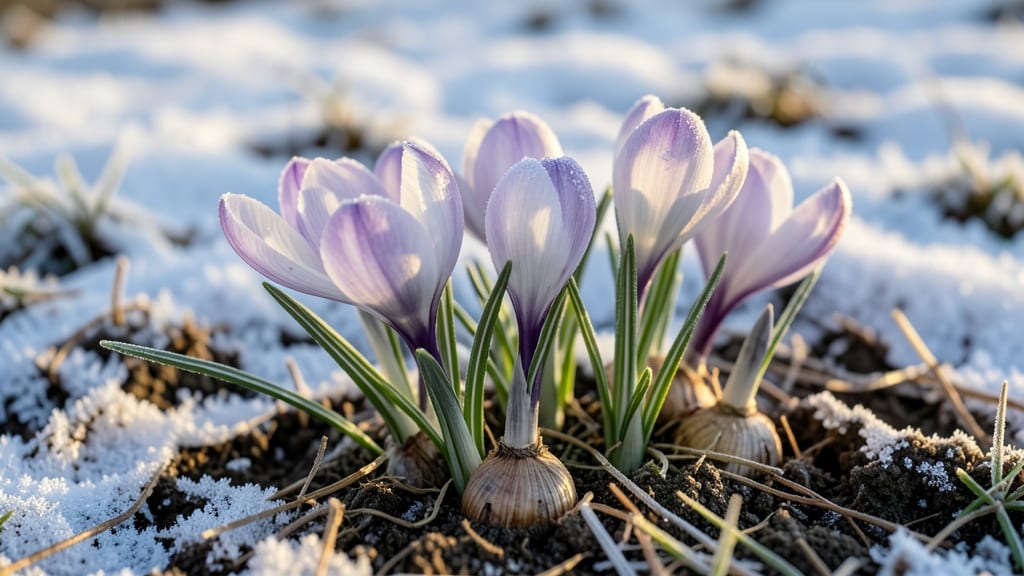
If you're craving color before the snow has even melted, crocus is your secret weapon. These tiny bulbs punch above their weight, producing delicate purple or white blooms that emerge through late winter frost—often as early as February in warmer climates.
Plant them in full sun to partial shade with well-draining soil, and they'll reward you with early pollinator visits from bees and butterflies. Unlike larger bulbs, crocus thrives in rocky or poor soil, making it perfect for urban gardens or naturalized meadows. For best results, plant them 3-4 inches deep and space bulbs 2-3 inches apart.
This low-maintenance bulb is ideal for beginners or gardeners with limited space—just a handful can transform a winter landscape into a spring preview. 🌱
Hyacinths for Fragrant Garden Perfume
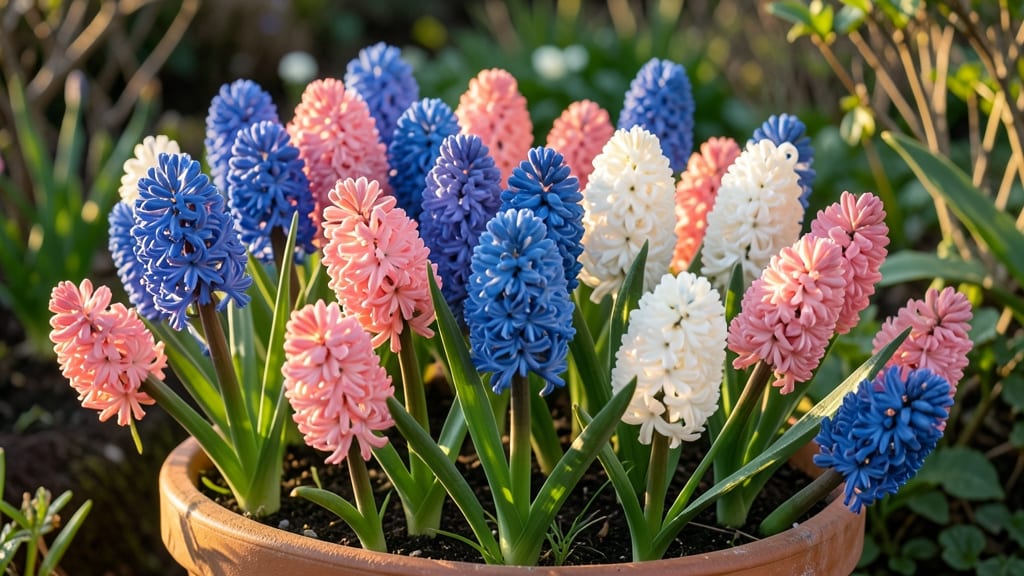
Transform your garden—or porch—into a fragrant oasis with hyacinths, whose intoxicating scent rivals a spring bouquet. These bulb plants produce dense, showy clusters in pink, blue, or white, making them ideal for small spaces where you want maximum impact with minimal footprint.
Plant hyacinth bulbs in well-draining soil with 6 hours of sun daily, and they’ll reward you with blooms in just 6-8 weeks. Their compact size (12-18 inches tall) makes them perfect for containers, window boxes, or tucked into garden borders. Just be sure to plant them 6 inches deep and 4-6 inches apart for the best fragrance display.
Urban gardeners and balcony growers will love hyacinths—they thrive in pots and bring that signature perfume right to your doorstep. 🌷
Allium for Dramatic Globe-Shaped Flowers
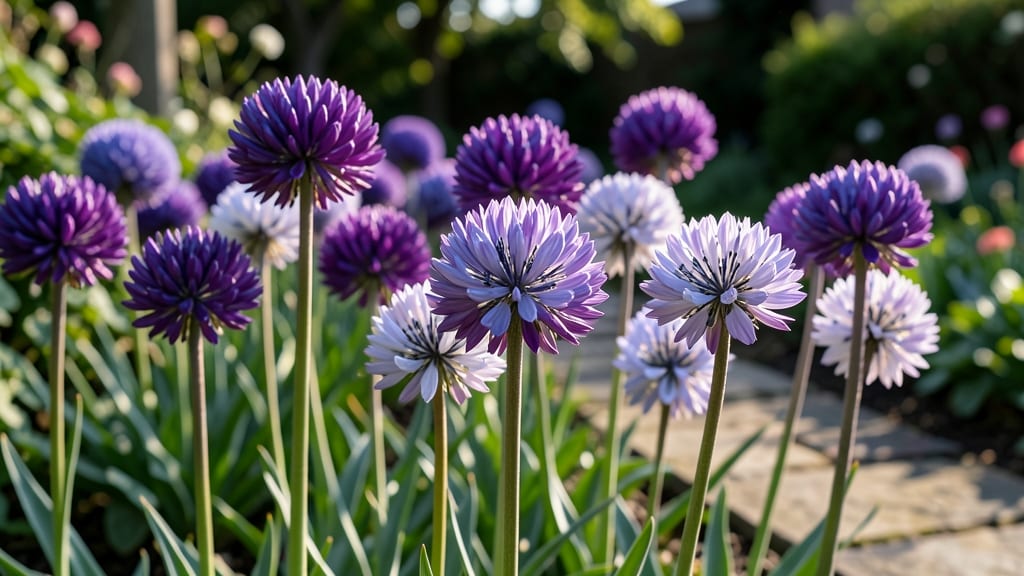
Skip the fuss of finicky flowers—allium bulbs deliver bold, spherical blooms that look like edible art and thrive in conditions where other plants struggle. These architectural stars add height and drama to cottage gardens, cutting gardens, or even urban containers with almost no effort.
Plant them in March for late spring blooms (May-June), and you’ll get drought-tolerant plants that naturalize beautifully in poor soil—no fertilizer or fuss required. The purple or white globe-shaped flowers attract bees and butterflies while providing vertical interest that outshines floppy perennials. Simply pop bulbs 6-8 inches deep in full sun or partial shade, water lightly, and watch them transform bare spots into pollinator hotspots.
Perfect for first-time gardeners or busy beekeepers, alliums reward you with year-round foliage and minimal maintenance. 🌟
Snowdrops for Winter-to-Spring Transition
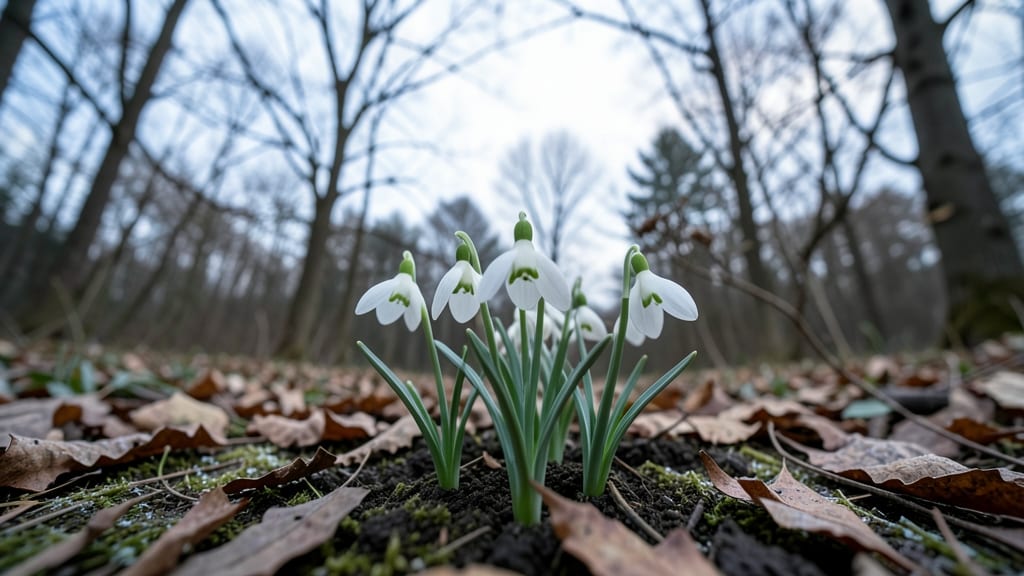
When your garden looks like a blank canvas in late winter, snowdrops step in as nature’s first brushstroke of hope. These delicate white flowers often bloom as early as January, defying frost and offering a quiet promise that spring is coming—even when nothing else stirs.
Perfect for shady woodland gardens or under deciduous trees, snowdrops thrive where most bulbs would struggle. Plant them in well-draining soil at a depth of 2–3 inches, with bulbs spaced 2–3 inches apart. Their low-growing habit makes them ideal for filling gaps between shrubs or under trees, where their resilient foliage stays green long after other plants have faded.
Shade-loving gardeners and woodland enthusiasts will appreciate how snowdrops naturalize over time, creating lush carpets of early blooms with almost no effort. 🌱
Muscari for Bluebell-Like Clusters
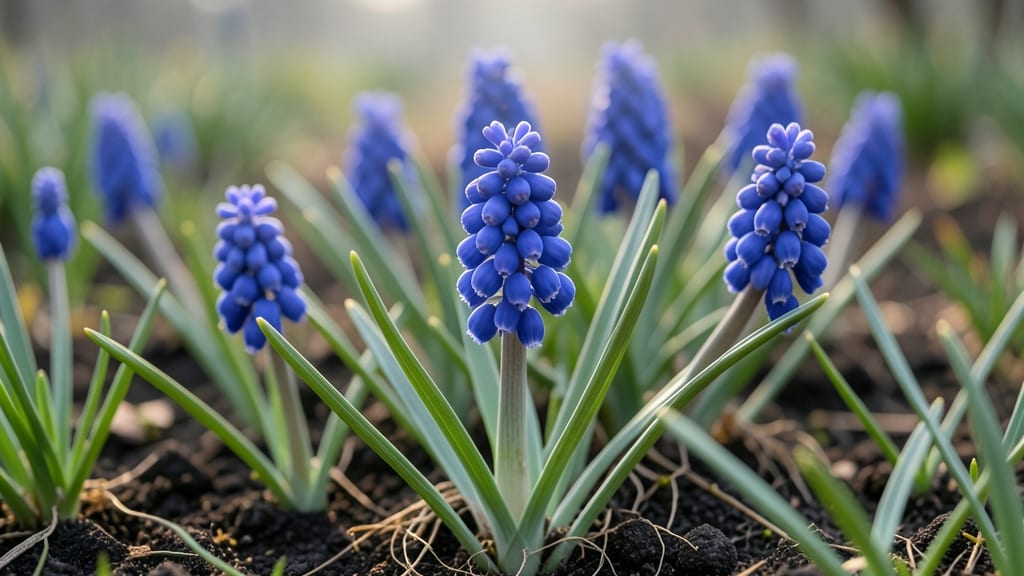
If you're dreaming of a low-maintenance garden that feels wild yet polished, muscari (commonly called grape hyacinth) is your secret weapon. These bulbs deliver bluebell-like clusters that sway gently in the breeze, adding vertical interest without the fuss of pruning or staking.
Plant them in March for blooms that arrive in late spring, thriving in full sun to partial shade and tolerating poor soil—ideal for meadows, pathways, or even between stepping stones. Their naturalizing habit means they’ll spread over time, creating lush drifts of color with almost no effort from you.
Perfect for beginners or busy gardeners, muscari pairs beautifully with daffodils or alliums for a layered look that feels effortless. Once established, they’ll return year after year with minimal care. 🌿
Fritillaria for Checkered Elegance
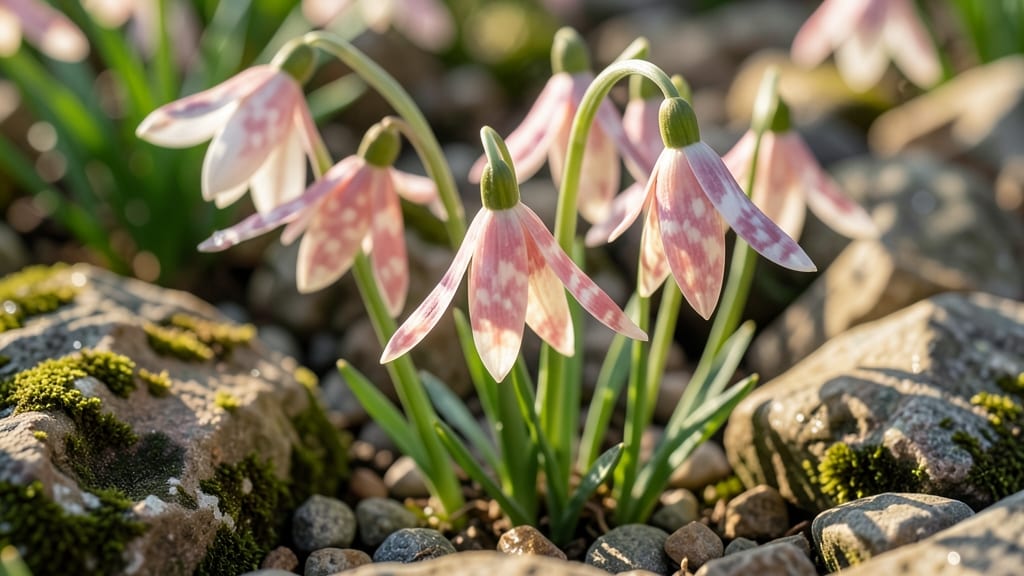
If you crave a bulb that looks like it belongs in a fairy tale, fritillaria delivers with its checkered pink-and-white bell-shaped blooms. Unlike other bulbs, these whimsical flowers grow best in well-drained soil, making them perfect for rock gardens or borders where water pools less.
Plant fritillaria imperialis (the crown imperial) in March after the last frost, burying the bulb 6 inches deep with the pointed end up. They thrive in partial shade and produce striking foliage before their flowers emerge in late spring. The marbled patterns make them a standout in cottage gardens or as a focal point near pathways.
Gardeners who love unusual textures and low-maintenance drama will adore fritillaria—just avoid soggy soil to prevent rot. Their unique charm makes them a conversation starter! ✨
Lily of the Valley for Shady Spots
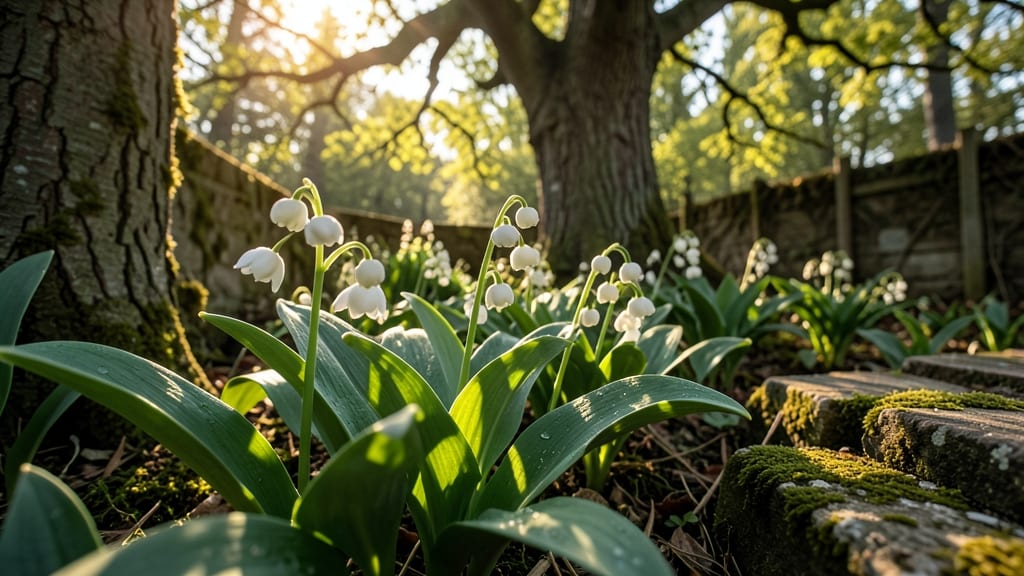
If your garden has areas where sunlight is scarce, lily of the valley is the perfect bulb to transform those spots into fragrant, blooming havens. This classic woodland plant thrives in partial to full shade, making it ideal for under trees, along fences, or near foundation plantings where other bulbs might struggle.
Plant the bulbs 2-3 inches deep in well-draining soil during March, spacing them about 4-6 inches apart. The delicate, bell-shaped flowers emerge in late spring, filling the air with a sweet, intoxicating scent that attracts pollinators. Unlike many bulbs, lily of the valley spreads slowly but steadily, creating a lush, carpet-like ground cover that suppresses weeds naturally.
This low-maintenance bulb is perfect for gardeners who want to add elegance to shady corners without the fuss. Its ability to thrive where others fail makes it a standout choice for woodland gardens or urban yards with limited sun. 🌿
Bluebonnet for Texas Garden Pride

If you're a Texan or simply love the idea of a wildflower carpet in spring, bluebonnets are your go-to bulb. These iconic state flowers transform landscapes into a sea of blue, creating a breathtaking visual that’s uniquely Texan and effortlessly low-maintenance.
Plant bluebonnet seeds in late fall or early winter for the best results—March is too late for seed planting, but you can still tuck in transplants for a head start. They thrive in full sun and well-drained soil, making them perfect for large meadows, roadside plantings, or even container gardens. Once established, they’ll self-seed and multiply, ensuring your garden stays blue for years to come.
This is the perfect choice for gardeners who want to make a statement with minimal effort—ideal for rural properties, school gardens, or even urban spaces with enough sunlight. Just imagine the pride of showcasing Texas’ most beloved wildflower! 🌻