
Planting
January may seem too cold for gardening, but these 10 cold-hardy bulbs thrive when planted in winter. Perfect for gardeners in zones 3-7, they promise vibrant blooms that break winter's monotony with early spring color.
Daffodils for Reliable Early Blooms
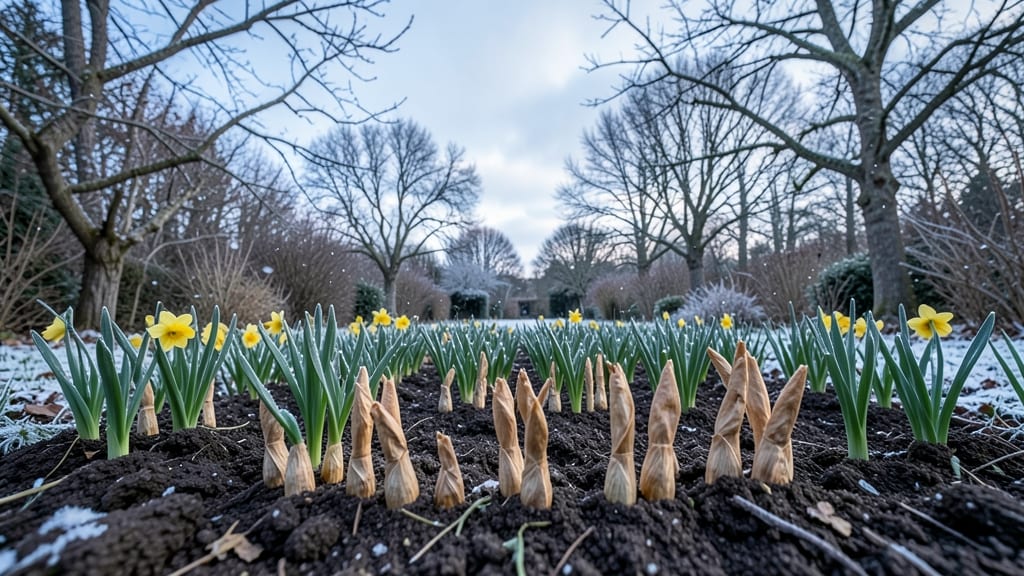
Tired of winter's barren landscape? Daffodils are the unsung heroes of January planting—they bloom reliably year after year, even in cold climates, and their cheerful colors brighten up dreary winter days. Unlike many bulbs, they're also deer-resistant, making them perfect for gardeners who struggle with wildlife nibbling their plants.
Plant them in well-drained soil, about 6-8 inches deep, with the pointy end facing up. Choose from classic yellow varieties like 'Tête-à-Tête' or try bold colors like 'Ice Follies' for white or 'Dutch Master' in fiery orange. These bulbs multiply over time, creating naturalized drifts that return every spring with minimal effort.
First-time winter planters will love how low-maintenance daffodils are—they thrive in full sun to partial shade and handle frost like a champ. Their early blooms also provide vital nectar for emerging pollinators when little else is in flower. 🌱
Tulips for Bold Color Variety
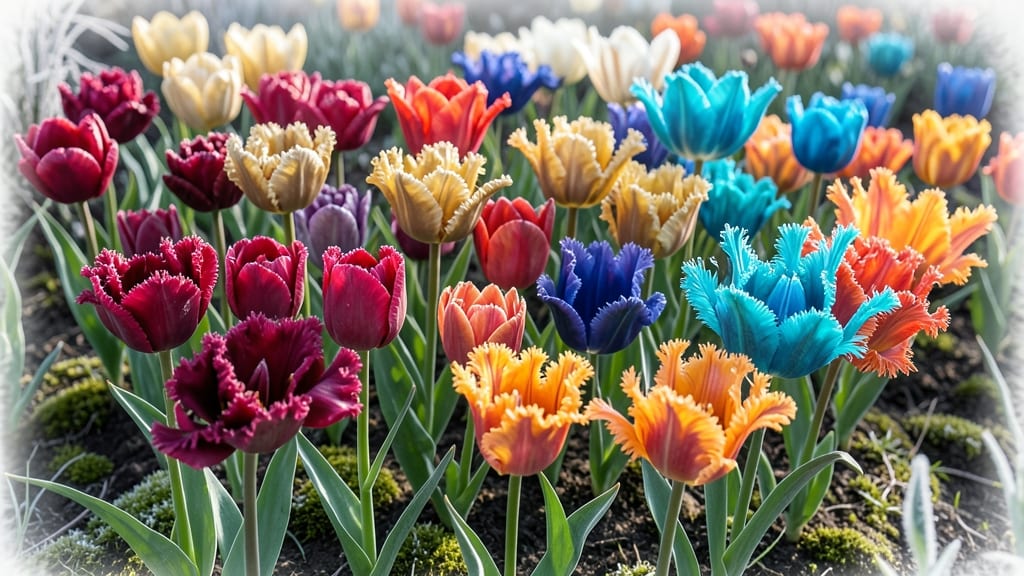
If you crave a burst of color to chase away winter blues, tulips are your January superstar. With over 150 varieties—including parrot tulips with feather-like petals, fringed-edged blooms, and classic doubles—you can transform your garden into a living palette before other flowers even think about waking up.
For best results, plant tulips in well-drained soil mixed with compost, about 6-8 inches deep and 4-6 inches apart. Their roots need time to establish before spring, so don’t rush—January’s cooler temps actually help them settle in. Choose Darwin Hybrid tulips for sturdy stems or Fosteriana varieties for early, fiery red blooms that melt snow.
Tulips are perfect for gardeners who love seasonal drama without the fuss of annuals. Their bold hues—from crimson to pale pink—create instant curb appeal, and many varieties return year after year if planted correctly. 🌻
Crocus for Tiny but Mighty Blooms
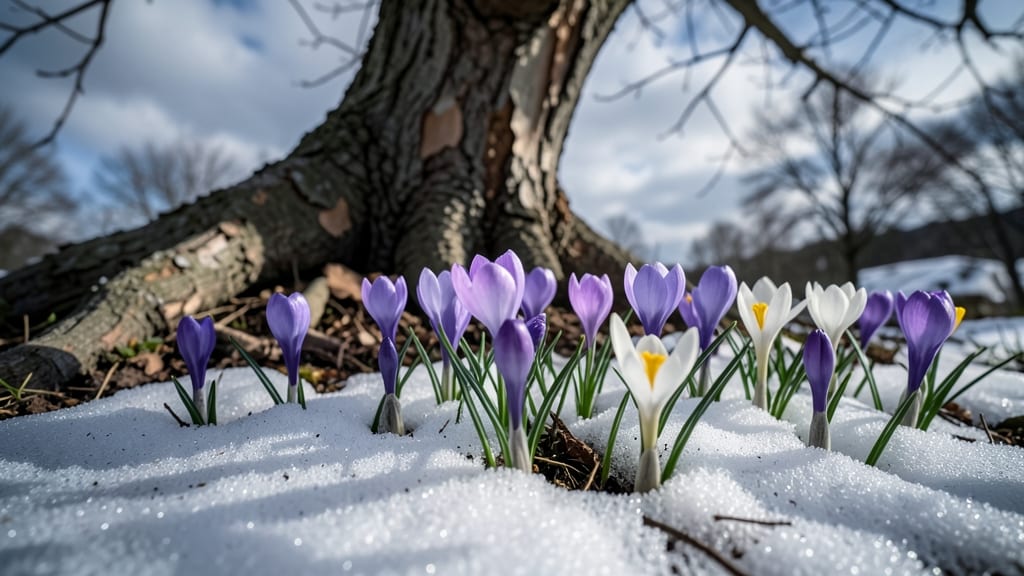
While other bulbs wait for spring, crocus bulbs are already breaking through snow with their cheerful purple, white, and yellow blooms. These tiny powerhouses thrive in conditions where nothing else grows—think rock gardens or under trees where shade keeps most plants dormant.
Plant them shallowly (just twice their height) in well-drained soil, and they'll reward you with early color that signals spring's arrival. Crocus naturalizes beautifully, creating stunning carpets over time with minimal care. They're also deer-resistant, making them a low-maintenance choice for winter gardens.
Perfect for gardeners who want instant winter interest or need to fill tricky spaces, crocus proves that the best gardens start before spring even arrives. 🌱
Hyacinths for Fragrant Garden Delights
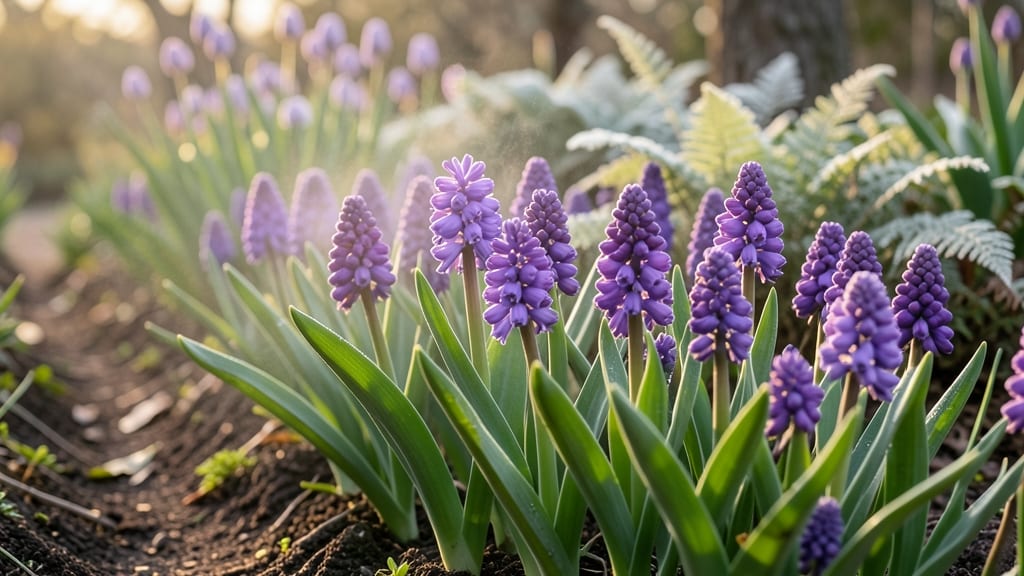
If you crave a garden that smells like spring before the season even arrives, hyacinths are your secret weapon. These bulbs don’t just bring color—they fill the air with an intoxicating, sweet fragrance that can be detected from yards away, making them perfect for fragrant garden pathways or near seating areas.
Plant hyacinths in clusters of 10-15 bulbs for maximum scent impact, spacing them 4-6 inches apart and 6 inches deep in well-drained soil. Their deer-resistant nature makes them a low-maintenance choice, and they thrive in full sun to partial shade. Choose varieties like 'Blue Jacket' or 'Pink Pearl' for bold colors and heady aromas that’ll have neighbors asking for your gardening secrets.
This bulb is ideal for gardeners who want to create sensory experiences—whether you’re planting near a patio, under a tree, or in containers. The fragrance peaks in early spring, turning your garden into a fragrant paradise. 🌷
Alliums for Dramatic Globe Shapes
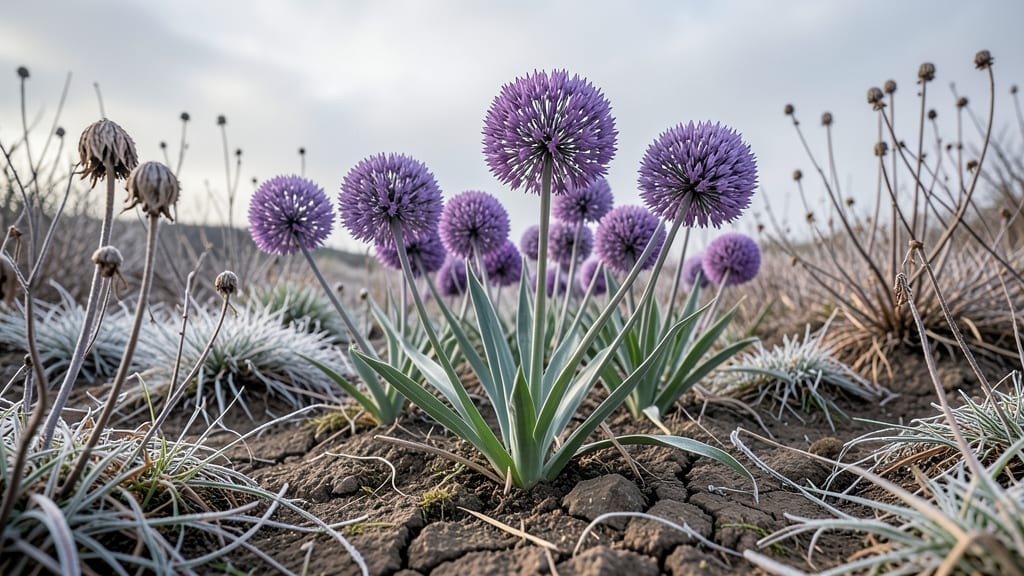
Tired of flat, predictable garden beds? Alliums bring bold, architectural drama with their perfect spherical blooms that stand out like nature's own sculptures. These winter-hardy bulbs thrive in conditions where other plants struggle, making them the unsung hero of January planting.
Plant alliums in full sun to partial shade, and they'll reward you with 6-12 inch globe-shaped flowers in purple, white, or pink hues that bloom from late spring through summer. Their deep roots tolerate poor, rocky, or even clay soils—perfect for reviving neglected garden corners. Plus, they're a pollinator magnet, attracting bees and butterflies that will visit your garden all season long.
Cottage gardeners and cut flower enthusiasts will love how alliums hold their shape perfectly in arrangements, lasting weeks in vases. Try varieties like Allium 'Globemaster' for massive 12-inch blooms or Allium 'Purple Sensation' for reliable mid-season color. 🌟
Snowdrops for Winter's First Flowers
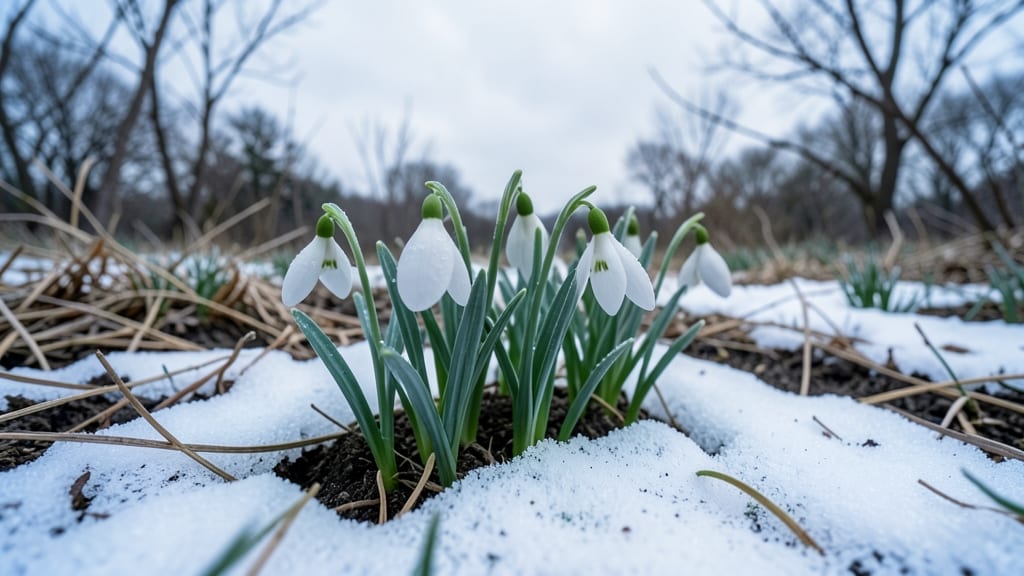
When winter feels endless and your garden looks like a blank canvas, snowdrops (Galanthus) arrive like tiny messengers of spring. These delicate white flowers often push through snow to bloom as early as December in mild climates, offering a magical first glimpse of color when nothing else is growing.
What makes snowdrops truly remarkable is their unmatched winter hardiness—they thrive in full shade and tolerate temperatures down to -20°F (-29°C). Plant them in woodland gardens, under deciduous trees, or along shady borders where other plants struggle. Their naturalizing habit means they'll multiply over time, creating beautiful drifts of early blooms with minimal care.
Perfect for gardeners who love shade-loving plants or want to add early interest to dark corners, snowdrops bring hope and beauty to winter landscapes. They're also deer-resistant, making them a reliable choice for rural gardens. 🌱
Fritillaria for Checkered Beauty
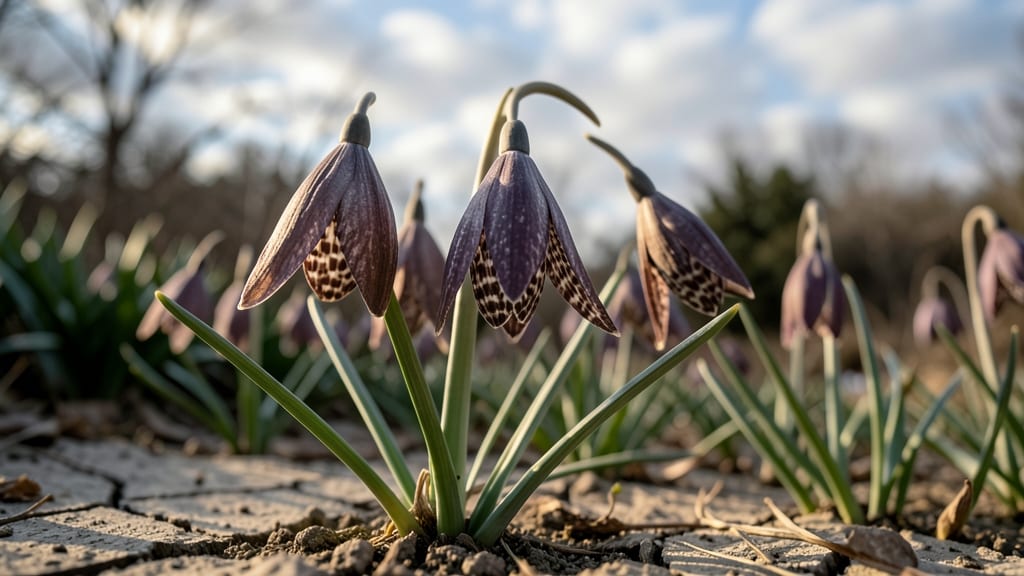
Looking for a bulb that adds artistic flair to your garden while requiring minimal fuss? Fritillaria delivers with its distinctive checkerboard-patterned bell-shaped blooms that look like abstract paintings in your landscape.
These drought-tolerant bulbs thrive in dry, sunny locations and multiply reliably over time, making them perfect for formal garden designs or cottage-style borders. Plant them in well-drained soil at a depth of 4-6 inches, and they’ll reward you with striking vertical interest that stands out against other spring bloomers. The imperial fritillaria variety, in particular, produces dramatic 2-foot-tall spikes with intricate purple-and-white patterns.
Gardeners who love structured designs or want to add a touch of whimsy to their beds will adore fritillaria’s unique charm. It’s also a great choice for low-maintenance gardeners who want something special without the upkeep. 🌷
Muscari for Grape-Like Clusters
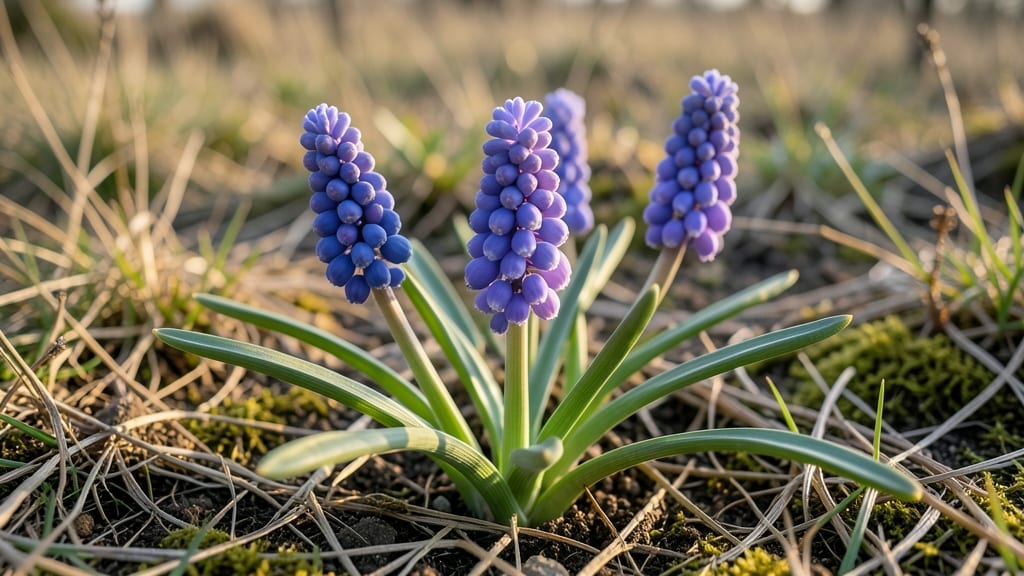
If you're looking for a low-maintenance bulb that thrives in tough conditions, muscari (commonly called grape hyacinth) is your answer. These charming bulbs produce dense, grape-like clusters of tiny blue or purple flowers that naturalize effortlessly, filling gaps in perennial borders or meadow gardens with minimal effort.
What makes muscari stand out is its drought tolerance and deer resistance—perfect for gardens where other plants struggle. Plant them in well-drained soil with full sun to partial shade, and they’ll reward you with vibrant blooms in early spring. Their ability to spread over time means fewer gaps and more color year after year. 💚
Scilla for Woodland Elegance
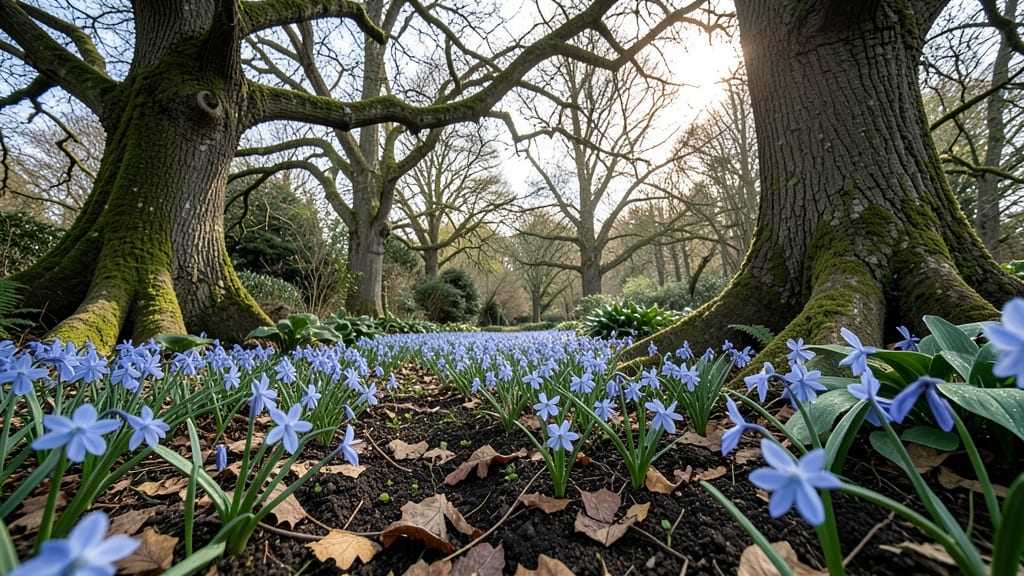
Looking to transform shady corners of your garden into enchanting woodland scenes? Scilla bulbs are your secret weapon, producing delicate blue star-shaped blooms that thrive where most plants struggle. These understory specialists create naturalizing drifts that spread effortlessly under trees or shrubs, bringing early spring color to forgotten spaces.
Plant scilla in moist, well-draining soil with partial to full shade, mimicking their native woodland habitats. The bulbs multiply reliably over time, creating stunning carpets of color that emerge before many perennials. Their 6-12 inch height makes them perfect for filling gaps between taller plants or along woodland edges, where they'll bloom in late winter to early spring.
This bulb is ideal for gardeners with shady spots who want low-maintenance beauty. Once established, scilla requires minimal care beyond occasional division every few years to prevent overcrowding. 💚
Camassia for Prairie-Style Drama

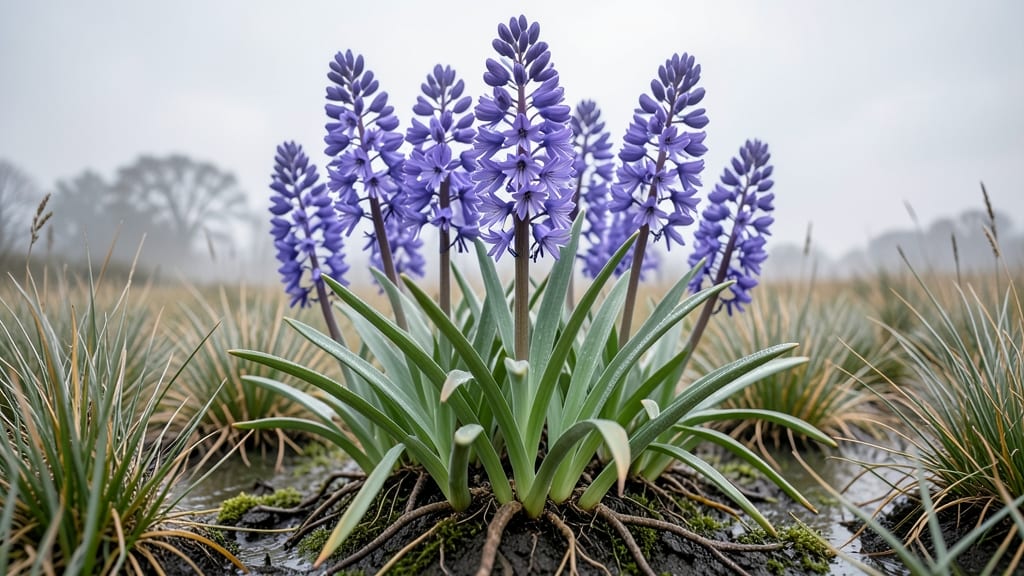
If you crave dramatic height and wildlife-friendly blooms in your garden, camassia delivers both with its towering, spiky flower stalks that reach 3-5 feet tall. Unlike other January bulbs, camassia thrives in moist, prairie-like conditions, making it perfect for wetter garden spots where few other plants flourish.
Plant bulbs 6 inches deep and 6 inches apart in full sun to partial shade, and watch them naturalize over time. The vibrant purple, blue, or white blooms will attract hummingbirds and bees, adding movement and life to your garden. Camassia's long, grass-like foliage also provides texture year-round, even after the flowers fade.
This is the ideal choice for gardeners who want to create wild, naturalistic spaces—whether you're designing a cottage garden, restoring a prairie, or simply adding vertical interest to a meadow. 🌻