
Companion Plants
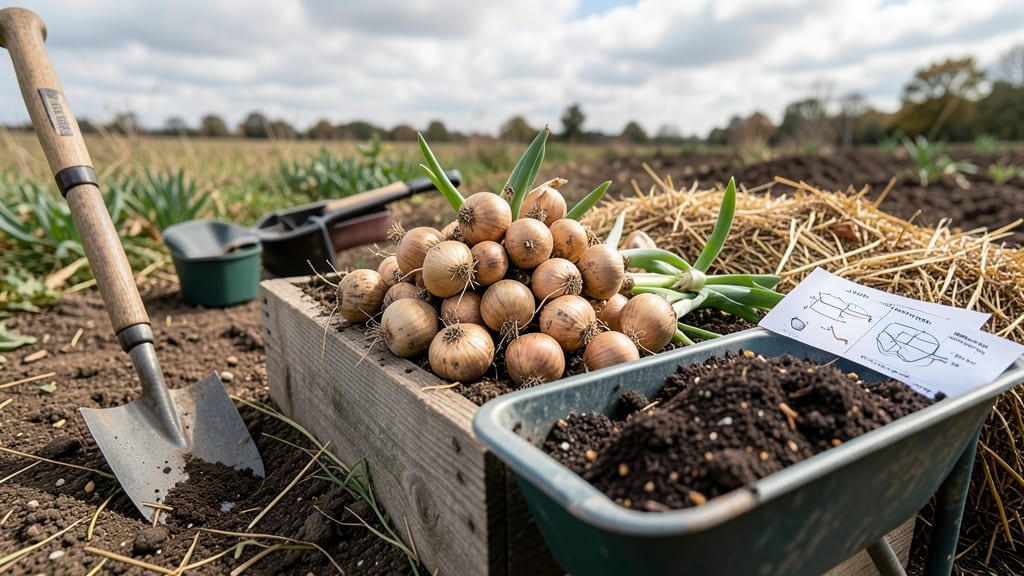
You can plant tulip bulbs in March in mild climates (USDA Zones 7-10), where cooler soil temperatures prevent premature sprouting, but fall planting yields stronger blooms in colder regions. Timing depends on your zone and whether you're forcing bulbs indoors.
March planting works best in warmer areas because tulip bulbs need a period of dormancy before actively growing. 🌱 In cooler zones, planting in fall gives bulbs enough time to establish roots before winter's chill sets in.
The key difference is soil temperature—warm March soil can wake bulbs too early, while fall planting aligns with natural dormancy cycles. For indoor forcing, March planting lets you control the chill period by refrigerating bulbs first.
If you're in a transitional zone (like Zone 6), consider planting some bulbs in March for early blooms and others in fall for a longer season.
Always choose a spot with well-draining soil and partial shade to prevent overheating. The right timing ensures your tulips emerge strong and vibrant next spring.
💡 In This Article
- Tulip Bulb Planting Timing by Climate Zone
- Step-by-Step March Tulip Bulb Planting Guide
Tulip bulb planting timing by climate Zone
Tulip bulbs thrive when planted during their natural dormancy period, which aligns with cooler soil temperatures. In USDA Zones 7-10, March planting works because the ground remains cool enough (50°F or below) to prevent premature sprouting.
Tulips need 12-16 weeks of chill hours (32-40°F) to break dormancy and develop strong roots. In warmer zones, March soil temps often hover around 55-65°F, which is too warm for bulbs to properly establish before summer heat arrives.
The critical difference between March and fall planting lies in soil temperature and daylight exposure. Fall-planted bulbs in cooler zones (3-6) experience gradual temperature drops, allowing roots to form slowly over winter. March planting in warm zones mimics this natural cycle by avoiding summer heat stress.
For example, in Zone 9, March soil temps average 60°F—ideal for planting, while July temps exceed 85°F, which would scorch newly planted bulbs.
Chill requirements vary by tulip variety. Species tulips (like Tulipa tarda) need only 6-8 weeks of chill, making them better suited for March planting in warm zones. Hybrid tulips (e.g., Darwin or Parrot types) demand 14-16 weeks, requiring fall planting in colder climates.
The rule of thumb: plant when your region’s average soil temp is 60°F or cooler for 4-6 weeks post-planting.
For gardeners in transitional zones (like Zone 6b), a split approach works best: plant half the bulbs in fall for next spring’s blooms and the other half in late winter/early March for summer-flowering varieties.
This extends your tulip season by 3-4 months. The key is choosing the right spot—partial shade (4-6 hours of sunlight) prevents soil from overheating, while well-draining soil prevents rot.
Container planting offers another workaround for March in warm climates. Plant bulbs in pots filled with sandy loam soil and place them in a shaded garage or under a patio until soil temps drop.
This mimics fall planting conditions while giving you control over the environment. Just ensure pots have drainage holes—tulips hate soggy roots!
What most gardeners overlook is the moisture balance during dormancy. After planting, keep soil consistently moist (but not waterlogged) for 4-6 weeks to encourage root growth. In warm zones, mulch with 2-3 inches of straw to retain moisture and regulate soil temp.
This is especially critical in March when daytime temps may climb while nights stay cool.