
Companion Plants
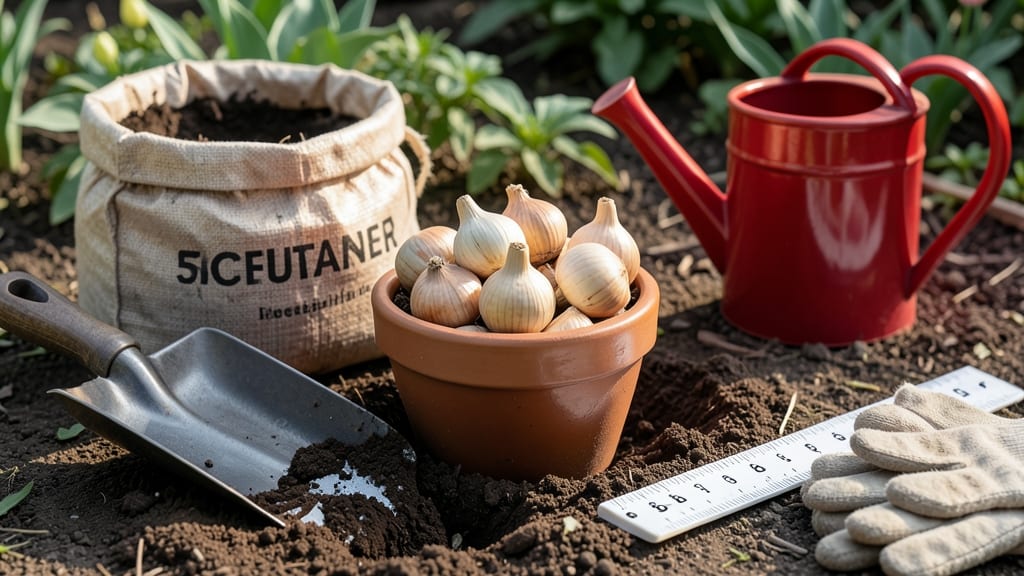
You can plant tulip bulbs in pots in spring, but it requires pre-chilling bulbs for 12-16 weeks at 35-45°F to mimic winter dormancy. Use a pot 6-8 inches deep with well-draining soil and place it outdoors where frost can occur after planting.
Spring potting of tulips is tricky because these bulbs naturally need a cold period to trigger blooming.
Without that vernalization phase, your tulips may produce leaves but skip flowering entirely. 🌱 I’ve found that using pre-chilled bulbs from garden centers (often labeled for spring planting) gives the best results—just follow the package instructions for storage times.
The key is mimicking nature’s cycle: cold exposure tells the bulb it’s time to bloom when warmer weather arrives.
Once planted, position your pots where they’ll get full sun (6+ hours daily) and keep the soil consistently moist but never soggy. A well-draining mix with perlite or sand prevents rot, which is a common spring potting pitfall.
If your climate stays warm year-round, consider forcing bulbs indoors with a grow light setup instead—it’s the only way to guarantee blooms without frost exposure.
💡 In This Article
- Why Fall Planting Works Best for Potted Tulips
- Spring Tulip Bulb Potting: Step-by-Step Success Guide
Why fall planting works best for potted tulips
Tulip bulbs rely on a biological process called vernalization, where cold temperatures trigger hormonal changes that prepare the plant for spring blooming. When planted in fall, bulbs experience natural winter chilling at 35-45°F for 12-16 weeks, which breaks their dormancy.
This cold exposure converts stored starches into sugars and activates flowering genes—without it, your spring-planted tulips may grow leaves but never bloom. 🌱 Think of it like a biological countdown: the bulb "knows" winter has passed when it warms up.
The science gets even more interesting when comparing container vs. ground planting. Soil in pots warms up faster in spring because containers lack the thermal mass of garden beds. This means bulbs in containers may miss critical cold periods if moved indoors too early.
Ground-planted tulips benefit from the earth's insulation, maintaining cooler temperatures longer. For potted tulips, you must replicate this chilling by pre-chilling bulbs or using frost-hardy containers placed outdoors during winter.
Another key factor is the bulb's natural growth cycle. Tulips planted in fall begin root development immediately, while spring-planted bulbs must divert energy to root growth and flowering simultaneously—this double demand often leads to weak stems or no blooms.
The ideal scenario is planting in fall when temperatures drop naturally, but if you're working with spring planting, pre-chilling bulbs for 8-12 weeks at 40°F can partially compensate. Just remember: the closer you get to nature's timing, the better your results.
Light exposure also plays a subtle but important role. Tulips need 6-8 hours of sunlight daily to bloom properly, but containers can overheat in full sun during summer. This heat stress accelerates bulb exhaustion, reducing future flowering.
Ground-planted tulips benefit from the soil's temperature buffering, while potted bulbs require careful placement—partial shade during peak summer months can help preserve bulb vitality for next year's blooms.
Here's what happens when you skip the cold treatment: bulbs may produce 2-3 feet of foliage but no flowers, as the plant focuses all energy on leaf growth instead of blooming. This is called "bolting," and it's a clear sign your tulips aren't getting proper vernalization.
The foliage will eventually die back, leaving you with no blooms and exhausted bulbs that may not return. 💀 This is why professional growers use refrigerated storage for spring bulbs—it's the only way to guarantee blooming without natural winter.
For container gardeners, the solution lies in understanding your microclimate. If you live in a region with mild winters (like USDA Zone 8+), even fall-planted bulbs may not get enough chilling.
In these areas, I recommend using pre-chilled bulbs from specialty nurseries or creating a DIY cold chamber with a refrigerator set to 38°F. The goal is to give bulbs the same 12-16 week cold treatment they'd get in nature's freezer.