
Plants
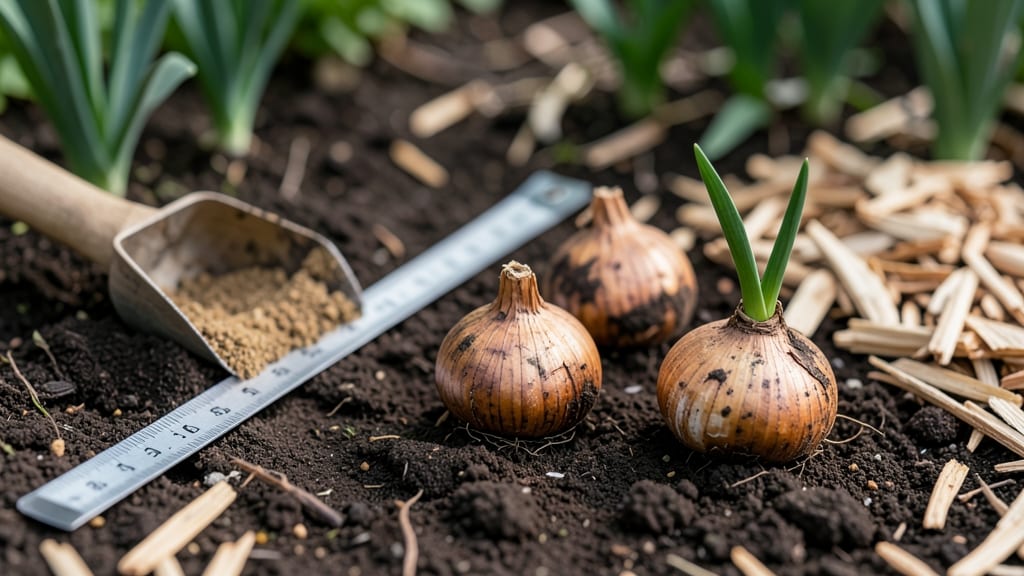
You can plant narcissus bulbs in the spring in mild climates (zones 8-10), but it's risky in colder regions—fall planting (6-8 weeks before frost) yields the best results by letting bulbs establish roots before winter. Spring planting demands extra care, including consistent watering and shade protection until new growth appears.
Spring planting works in warmer zones because narcissus bulbs thrive when soil temperatures stay above 50°F consistently. 🌱 However, colder climates force bulbs to compete with frost, which can damage emerging shoots.
The key to spring success lies in mimicking fall conditions—watering deeply after planting and shielding bulbs from direct sun until stems reach 4-6 inches tall. I’ve found that adding a layer of mulch helps retain moisture while protecting bulbs from temperature swings.
For those in colder zones, fall planting remains the gold standard. Bulbs planted in autumn have months to develop strong root systems before winter dormancy, giving them a head start when spring arrives.
This approach reduces the risk of rot and ensures more reliable blooms. If you must plant in spring, choose a spot with well-draining soil and partial shade to minimize stress on the bulbs.
💡 In This Article
- Climate Zones and Ideal Narcissus Bulb Planting Seasons
- Spring Planting Success: Step-by-Step Tips for Narcissus Bulbs
Climate zones and ideal narcissus bulb planting seasons
The success of narcissus bulb planting hinges on understanding your climate zone and how temperature affects bulb dormancy. In USDA hardiness zones 8-10, where winters rarely drop below 20°F, spring planting is viable because soil temperatures stay above 50°F for extended periods.
This warmth signals bulbs to break dormancy and begin root growth. In colder zones (3-7), however, soil temperatures often linger below 50°F for months, forcing bulbs into a state of suspended animation that can lead to rot if planted too early.
Fall planting works best because it gives bulbs 6-8 weeks to establish roots before winter sets in.
During this time, narcissus bulbs develop a fibrous root system that can absorb moisture and nutrients even when above-ground growth is dormant. 🌱 In zone 5, for example, planting in October allows roots to grow until the ground freezes, while spring-planted bulbs may struggle to catch up before summer heat arrives.
The ideal fall window is when daytime temperatures average 70°F but nights dip below 60°F—this mimics the natural conditions bulbs experience in their Mediterranean native habitat.
Temperature isn't the only factor—day length also plays a role. Narcissus bulbs are short-day plants, meaning they respond to decreasing daylight hours in autumn to trigger flowering. When planted in spring, bulbs miss this natural cue, which can delay or prevent blooming entirely.
This is why gardeners in colder climates often see better results with fall planting: the bulbs receive both the temperature and light signals they need to prepare for spring growth.
For those in transition zones (7-8), spring planting becomes a calculated risk. The bulbs need consistent moisture and protection from temperature swings that can occur in spring. In these areas, I recommend planting no earlier than 2 weeks after the last frost date when soil temperatures stabilize above 55°F.
This timing gives bulbs just enough warmth to begin root growth without exposing them to late frosts that can damage tender shoots.
Consider this comparison: In zone 9, spring-planted narcissus bulbs often bloom within 8-10 weeks of planting, while fall-planted bulbs in zone 5 may take 12-14 weeks to flower after emergence.
The difference lies in how quickly roots establish—fall-planted bulbs have a 3-4 month head start on root development compared to spring-planted ones. This root advantage translates directly to stronger stems and more vibrant blooms.