
How To
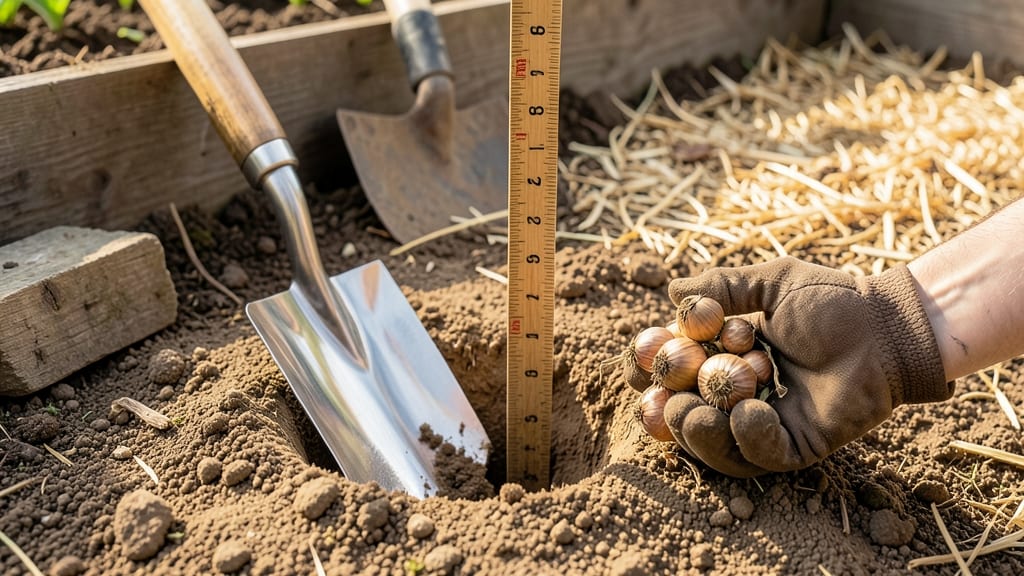
How deep to plant narcissus bulbs—6 to 8 inches—is the key to spring blooms that last for years, not seasons.
Struggling to get your narcissus bulbs to bloom year after year? The secret might be hiding in the soil depth—and planting them at the wrong level could mean waiting another spring for those vibrant flowers.
Most gardeners assume deeper is better, but narcissus bulbs (like daffodils 🌼) need a balance: too shallow and they rot; too deep and they struggle to push through. The 6-inch rule works for most varieties, but soil type and bulb size can change the game.
In this guide, I’ll walk you through the exact depth for your climate, how to layer bulbs for continuous color, and the three mistakes that silently kill narcissus blooms before they even start.


The ideal narcissus bulb planting depth explained (with soil type adjustments)
Getting your narcissus bulbs to thrive starts with one critical detail: planting depth. Too shallow, and you risk weak stems or rot; too deep, and your blooms may never surface.
The ideal depth isn't just about inches—it's about balancing bulb size, soil type, and even your local climate zone. For most varieties, the general rule is 6-8 inches deep, but we'll break down exactly how to adjust for your garden's unique conditions.
Why does depth matter so much? Narcissus bulbs need consistent moisture and temperature to establish roots, but they also require proper airflow to prevent rot. The pointy end (root base) should always face downward, while the flat side (where leaves emerge) should stay horizontal.
Think of it like a compass—point the bulb's "north" (pointy end) toward the center of the Earth, and you're on the right track.
Here's where soil type comes into play. Sandy soil drains faster, so you'll want to plant slightly deeper (closer to 8 inches) to give bulbs more stability. On the flip side, clay-heavy soil holds moisture longer, so a shallower depth (5-6 inches) prevents waterlogging.
The key is mimicking the bulb's natural habitat—well-draining, loamy soil that mimics forest floors where wild daffodils thrive.
To measure depth accurately, use a simple trick: hold the bulb next to your trowel handle. Most handles are marked with inches, making it easy to gauge.
For example, if you're planting a medium-sized bulb in loamy soil, aim for a depth where the top of the bulb sits 2 inches below the trowel's 6-inch mark. This ensures the bulb has enough coverage while leaving room for future growth.
Don't overlook the importance of spacing alongside depth. While depth controls vertical growth, spacing (typically 6 inches apart) prevents competition for nutrients. In clay soils, increase spacing to 8-10 inches to avoid overcrowding, which can lead to disease pressure from poor airflow.
Pro tip: mix in compost or perlite to improve drainage before planting—this adjustment can make all the difference in heavy soils.
Climate plays a subtle but crucial role in depth adjustments. In warmer zones (7-10), plant bulbs 1 inch deeper to protect them from heat stress during summer dormancy. Conversely, in colder zones (3-5), shallow planting (5 inches max) helps bulbs emerge earlier in spring.
The goal is to create a microclimate where the bulb stays cool enough to survive summer but warm enough to sprout in spring.
One common mistake is assuming all narcissus varieties follow the same rules. Dwarf varieties (like 'Tête-à-Tête') only need 3-4 inches of depth, while standard types (like 'Ice Follies') thrive at 7-9 inches.
Always check the bulb packaging for variety-specific guidance—this small detail can mean the difference between a weak stem and a show-stopping bloom.
After planting, resist the urge to water immediately. Let the soil settle for 24-48 hours to prevent bulbs from shifting deeper than intended. Once established, maintain moderate moisture (about 1 inch per week) until leaves turn yellow in late spring.
This post-bloom care ensures the bulb stores enough energy for next year's flowers—depth is just the first step in a multi-season relationship.
Remember, the best planting depth is one that mimics the bulb's natural environment. Wild daffodils grow in partial shade under forest canopies, where they experience seasonal temperature shifts and moisture cycles.
By adjusting depth based on your soil and climate, you're essentially recreating those ideal conditions right in your garden. With the right depth, your narcissus bulbs will reward you with vibrant blooms year after year—and maybe even naturalize into stunning spring displays.
Layering tricks to maximize narcissus blooms: how pros plant for continuous color
Want a garden bursting with narcissus blooms from early spring through summer? The trick lies in layered planting—strategically planting bulbs at different depths to create a sequential flowering display. This method ensures you enjoy vibrant daffodils and tulips for weeks longer than single-season planting.
Professional gardeners use this technique to blend early-blooming varieties like 'Tête-à-Tête' with late-blooming types such as 'Ice Follies'. By staggering planting depths and bloom times, you create a non-stop floral show that keeps your garden lively and colorful.
How to Layer Narcissus Bulbs for Continuous Blooms
- Step 1: Choose 3-4 varieties with staggered bloom times (e.g., early, mid, late spring).
- Step 2: Dig a hole 12 inches deep—this accommodates all layers.
- Step 3: Place late-blooming bulbs at the bottom (8-10 inches deep)—they need more time to root.
- Step 4: Add a 2-inch layer of compost between each bulb layer for drainage.
- Step 5: Plant mid-season bulbs at 6 inches deep—the standard depth.
- Step 6: Top with early-blooming bulbs at 4 inches deep—they’ll sprout first.
- Step 7: Cover with mulch (2-3 inches) to protect bulbs over winter.
This layering technique isn’t just for narcissus—pair them with tulips or crocus for even longer color. For example, plant crocus (3 inches deep) on top of your narcissus layers—they’ll bloom first, followed by your early daffodils, then tulips, and finally your late narcissus.
Pro tip: Use a soil probe or trowel to mark exact depths—consistency is key! If your soil is heavy clay, add sand or perlite to improve drainage, especially for deeper layers. This prevents bulb rot and ensures strong stems for those show-stopping blooms.
Once planted, water deeply after planting and again in early spring as shoots emerge. Avoid overwatering—narcissus bulbs hate soggy soil. With this method, you’ll enjoy continuous blooms from late winter through early summer, turning your garden into a year-round spectacle.
Try this technique in a sunny border or container garden for maximum impact. Layering isn’t just efficient—it’s a garden designer’s secret to effortless beauty. Happy planting!