
Plants
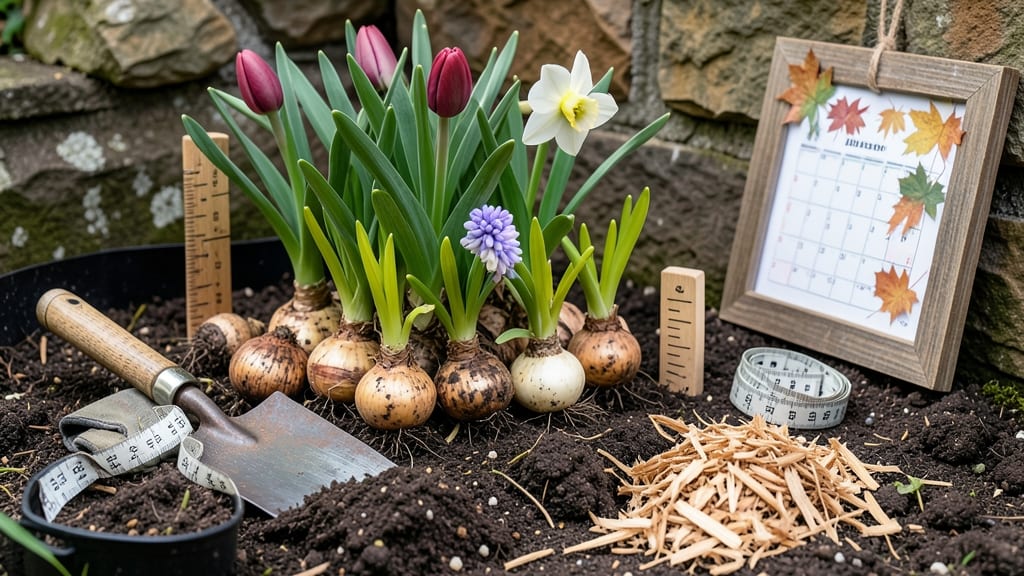
Planting bulbs in Alabama at the right time means the difference between a showstopping spring garden and a wasted investment—and the clock starts ticking as soon as the first frost warning hits.
Alabama’s unpredictable winters can turn bulb planting into a gamble unless you know the exact timing to avoid frost damage and maximize blooms.
Skip the guesswork with this science-backed guide tailored to your region’s microclimates, so you’re planting Spring Bulbs (e.g., Tulips, Daffodils, Hyacinths) 🌷 when the ground is just cool enough—but not frozen.
Whether you’re in the 7a-8b zones of North Alabama or the milder South, the timing shifts by weeks. Plant too early, and your bulbs rot; too late, and they freeze before roots establish.
We’ll break down the ideal windows for fall and early spring planting, plus how to adjust for Alabama’s heavy clay soils and urban heat islands.
By the end, you’ll know not just when to plant, but how to prep your soil, choose the right varieties for your area, and even troubleshoot common mistakes—so your 🌷 blooms arrive on schedule, year after year.
Alabama bulb planting calendar by Zone and frost dates
Alabama’s USDA Zones 7-8 create a unique challenge for bulb lovers—warm winters in the south clash with chilly mountain air in the north. To avoid frost damage or missed blooms, timing is everything.
Most spring-blooming bulbs (like tulips and daffodils) need 6-8 weeks in the ground before winter sets in, while fall-planted varieties (such as crocus and hyacinths) thrive when planted after Labor Day but before November 15. Here’s your region-specific cheat sheet.
North Alabama (Zone 7a, e.g., Huntsville, Decatur) faces earlier frosts (November 15 average first frost), while South Alabama (Zone 8b, e.g., Mobile, Dothan) can plant later (December 15 cutoff).
Urban areas like Birmingham may experience microclimates with 10°F colder nights, so adjust accordingly. Always check your local Alabama Cooperative Extension for real-time updates.
Key rule: Plant bulbs when soil temps hit 60°F but before the first hard freeze (28°F). Use this month-by-month guide to align with Alabama’s average last frost dates (Feb 15–March 15), ensuring vibrant spring blooms.
| Month | Zone 7a (North AL) | Zone 8b (South AL) | Bulb Types | Notes |
|---|---|---|---|---|
| September | ✅ Ideal (plant by Sept 20) | ✅ Ideal (plant by Sept 30) | Tulips, Daffodils, Hyacinths, Crocus | Soil temps drop below 60°F; mulch after planting. |
| October | ✅ Last chance (plant by Oct 15) | ✅ Last chance (plant by Oct 31) | All spring bulbs + Snowdrops | Use 3x more mulch in Zone 7a. |
| November | ❌ Too late (unless Zone 7b+) | ⚠️ Risky (only cold-hardy types) | Crocus, Grape Hyacinths | Plant in containers for flexibility. |
| December | ❌ Avoid (frost likely) | ✅ Safe (Zone 8b only) | Daffodils, Alliums | Use black plastic mulch for warmth. |
| January | ✅ Late window (Zone 7a) | ✅ Ideal (Zone 8b) | Tulips, Hyacinths | Water deeply after planting. |
| February | ✅ Last resort (if no frost) | ✅ Safe (Zone 8b) | Daffodils, Crocus | Use row covers for extra protection. |
For North Alabama gardeners, prioritize planting tulips and daffodils by October 15 to ensure they establish roots before winter. In South Alabama
How to adjust planting for Alabama’s microclimates and soil conditions
Alabama’s diverse geography—from the Appalachian Mountains to the coastal plains—creates wildly different planting conditions. Northern Alabama’s cooler microclimates (USDA Zone 7a) may see earlier freezes than southern Alabama’s Zone 8b, where urban heat islands can delay frost by weeks. Even within cities, sidewalk gardens bake faster than shaded beds.
Then there’s the soil challenge: Alabama’s famous heavy clay drains poorly, causing bulbs to rot if planted too deep or in waterlogged spots. Raised beds and container gardens solve this by improving drainage, but they also warm up faster—meaning you can plant 2-3 weeks earlier than in-ground soil.
Here’s how to tweak your planting schedule based on your local conditions:
Adjust Planting Timing by Microclimate
✅ DO THIS
- 🏔️ Mountain Regions (Zone 7a): Plant bulbs by October 15 to avoid early freezes. Use 3-inch mulch after planting.
- 🏙️ Urban Heat Islands: Delay planting 1-2 weeks (start in late October) to prevent premature sprouting from heat.
- 🌊 Coastal Plains (Zone 8b): Plant as late as November 15—bulbs tolerate warmer soils longer.
- 🪴 Containers/Raised Beds: Plant 2-3 weeks earlier (early September) since they warm faster than ground soil.
❌ AVOID THIS
- 🌡️ Planting in heavy clay without amending—leads to root rot and poor drainage.
- 📅 Waiting until December in Zone 7a—bulbs won’t root before freeze.
- 🔥 Planting in full sun without mulch in urban areas—soil can overheat and scorch bulbs.
- 💧 Overwatering after planting—clay soil stays soggy; water lightly until roots establish.
💡 Pro Tip: Test soil drainage by digging a hole, filling it with water, and timing how long it takes to drain. If it’s slower than 6 hours, amend with compost or sand.
For containers, use a fast-draining mix (50% potting soil, 30% perlite, 20% compost) and plant bulbs shallower than in-ground (6 inches deep max). Raised beds let you plant earlier because they warm up 1-2 weeks faster than native soil, but monitor for dryness—mulch heavily to retain moisture.
If your garden sits in a frost pocket (common in valleys), opt for cold-hardy bulbs like crocus or snowdrops, which tolerate brief freezes. For erratic winters, add a lightweight row cover after planting to protect from late freezes without smothering growth.
Finally, mulch isn’t optional—it’s your bulb insurance. Apply 3-4 inches of straw or shredded leaves after planting to insulate roots and regulate soil temps. In urban areas, mulch also cools overheated soil from pavement heat.
With these adjustments, your tulips, daffodils, and hyacinths will bloom reliably despite Alabama’s unpredictable weather. Start with your local frost dates, amend that clay soil, and time your planting like a pro! 🌱