
How To
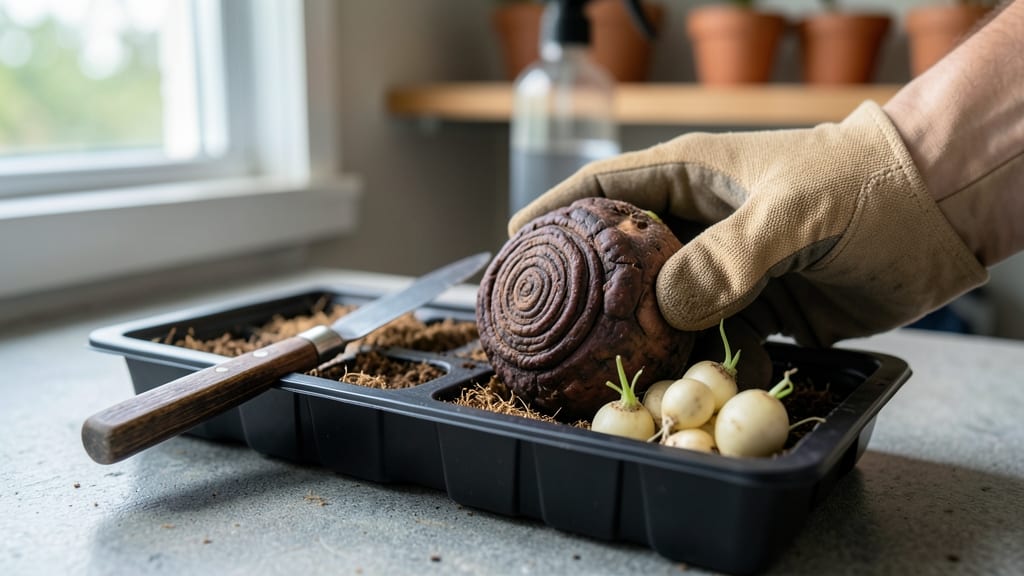
Dahlia bulbs multiply naturally each year through a process called tuberization, where a single parent bulb produces multiple smaller tubers when given optimal growing conditions, proper care, and division every 2-3 seasons to sustain plant vitality.
This natural reproduction happens when the parent bulb stores energy during the growing season, prompting the growth of smaller offsets around its base. 🌱 The key factors here are consistent moisture, well-draining soil, and adequate sunlight—all of which encourage robust root development.
I’ve seen dahlias in my own backyard produce 5-10 viable offsets per bulb when given these ideal conditions, making them one of the most rewarding perennials for gardeners looking to expand their plant collection without extra cost.
What’s fascinating is how this process mirrors nature’s efficiency. The offsets contain all the genetic material of the parent plant, meaning they’ll grow into identical dahlias with the same color and bloom patterns.
This makes tuberization not just a survival mechanism but also a gardener’s shortcut to multiplying prized varieties effortlessly.
💡 In This Article
- How Dahlia Tuberization Works: The Science Behind Bulb Multiplication
- Step-by-Step Guide to Harvesting and Dividing Dahlia Bulbs
How dahlia tuberization works: the science behind bulb multiplication
The tuberization process in dahlias begins as daylight hours shorten in late summer, triggering a hormonal shift in the plant. As temperatures drop below 70°F and nights grow cooler, the parent bulb starts converting stored carbohydrates into new growth points.
These growth points develop into smaller tubers called offsets, which form around the base of the main bulb like baby potatoes clustering around a larger one. 🌱
Light exposure plays a crucial role in this process. Dahlias need 6-8 hours of direct sunlight daily to produce enough energy through photosynthesis for tuber development. Without sufficient light, the plant focuses energy on foliage growth rather than root expansion, resulting in fewer or smaller offsets.
I’ve noticed that dahlias in partial shade produce only 2-3 offsets per bulb, while those in full sun can yield up to 10-12 healthy tubers when properly cared for.
The soil’s nutrient composition directly impacts tuber quantity and quality. A well-balanced mix with 50% garden soil, 30% compost, and 20% perlite provides the ideal environment for root development.
Phosphorus and potassium are particularly important—they help strengthen cell walls in the new tubers, making them more resistant to rot during storage. I always add a slow-release fertilizer in early spring to give the plant a steady nutrient supply throughout the growing season.
Temperature fluctuations also influence tuberization. Dahlias thrive when daytime temperatures stay between 75-85°F and nights drop to 55-65°F. These conditions create the perfect balance for energy storage and growth. Too much heat can stress the plant, while cold snaps before the first frost can stunt tuber development.
In my zone 6 garden, I’ve found that planting dahlias in late May gives them enough time to establish roots before summer heat peaks.
What’s often overlooked is how watering patterns affect tuber formation. Consistent moisture is critical during the growing season, but the plant needs to experience 2-3 weeks of drier conditions before the first frost to signal tuber maturation.
This dry-down period helps the plant redirect energy from foliage to root growth. Overwatering at this stage can lead to soft, rot-prone tubers that won’t store well over winter.
One fascinating aspect is how dahlias prioritize energy allocation. When the plant senses shortening daylight, it produces more auxin—a plant hormone that promotes root growth—while reducing gibberellin, which stimulates stem elongation. This hormonal shift is what transforms the plant’s focus from above-ground growth to below-ground tuber production.
It’s nature’s way of preparing for dormancy while ensuring the next generation of plants has the best chance to thrive. 💫