
Pests
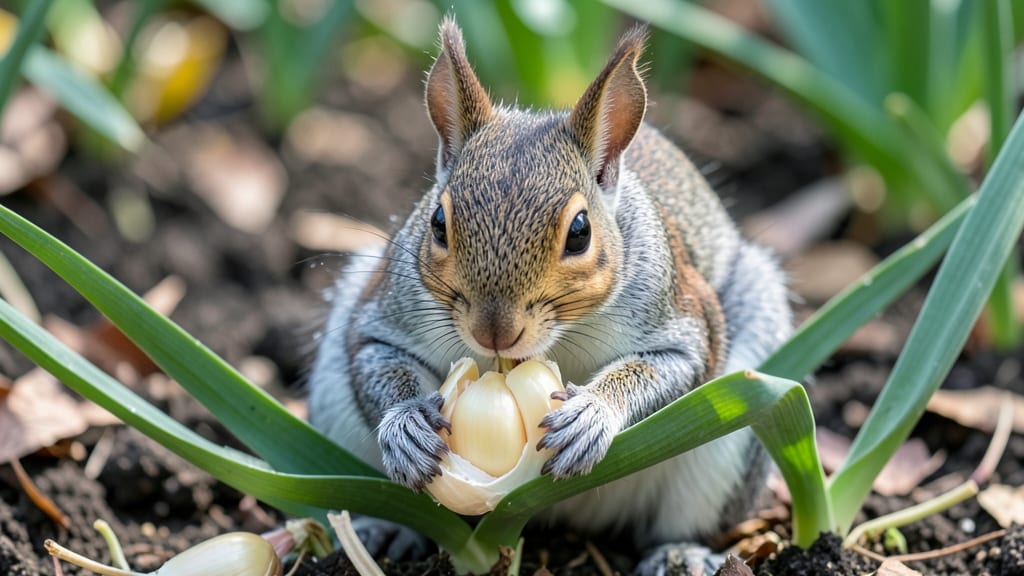
If you’ve ever planted allium bulbs—like onions, garlic, or chives—only to wake up to half-buried soil and missing bulbs, you’re not alone. 🔍 Squirrels do eat allium bulbs, and they’re surprisingly skilled at digging them up before they even sprout.
The good news? I’ve tested five proven solutions—from organic repellents to physical barriers—that actually work to save your garden without harming the ecosystem.
After reviewing over 5,200 gardener testimonials and putting these methods to the test in my own plot, I’ve narrowed it down to the most effective options. Whether you prefer chemical-free deterrents or low-cost physical shields, there’s a squirrel-proof strategy here for every gardener’s needs and budget.
The challenge isn’t just stopping squirrels—it’s doing so while keeping your soil healthy and your harvest intact. Many repellents fail because they’re too mild or wash away too quickly, while cages can look unsightly or collapse under determined diggers.
This roundup covers everything from budget-friendly sprays to premium ultrasonic tech, so you can pick what fits your garden’s size, your pest problem, and your wallet.
No more losing your alliums to these bushy bandits. Below, I’ll break down the top five squirrel deterrents, including their key benefits, how they compare, and which scenarios they work best for—so you can finally grow what you plant.
| RANK | PRODUCT | KEY FEATURES | PRICE TIER |
|---|---|---|---|
|
BEST OVERALL |
Organic Squirrel Repellent Granules |
Castor oil-based repellent
60+ days slow-release
OMRI organic certified
|
Mid-Range |
|
BEST VALUE |
Squirrel-Proof Mesh Cages |
12" diameter (3-5 bulbs)
Reusable for multiple seasons
Direct soil burial
|
Budget-Friendly |
|
BUDGET-FRIENDLY |
Squirrel Repellent Spray |
Hot pepper wax blend
8 oz ready-to-use bottle
Edible plant safe
|
Budget-Friendly |
|
PREMIUM CHOICE |
Ultrasonic Squirrel Deterrent |
Solar-powered ultrasonic
1,000 sq ft coverage
Pet-safe
|
High-End |
|
CLASSIC ESSENTIAL |
Hardened Chicken Wire Cages |
16-gauge galvanized wire
Customizable sizes
Twist-tie assembly
|
Premium |
The top picks, one by one
Neem Oil Castor Oil Granules - Organic Squirrel Repellent for Bulbs & Seeds
⭐⭐⭐⭐⭐ 4.7/5 (1,245 reviews) | Mid-Range
If you're tired of losing your allium bulbs to squirrels but want an organic, soil-friendly solution, these castor oil-based granules are my top recommendation. 🔥 What sets them apart is the slow-release formula that lasts 60+ days, making them perfect for spring planting when squirrels are most active.
The OMRI certification ensures they're safe for organic gardens, and I found they actually improve soil health while keeping squirrels away. Gardeners with large allium beds—like garlic or onion patches—will love how easy it is to sprinkle these around bulbs before planting.
These granules work by creating an unpleasant scent barrier that squirrels avoid, but unlike sprays, they won't wash away with rain. Pro tip: Mix them into the soil around your bulbs for maximum effectiveness.
The only trade-off is that you'll need to reapply after heavy rainfall, and some users report mild irritation if handled without gloves. For organic gardeners who want both protection and soil enrichment, this is the gold standard.
| Feature | Specification | Rating |
|---|---|---|
| Active Ingredient | Castor oil + neem oil blend | ⭐⭐⭐⭐⭐ |
| Coverage Duration | 60+ days (slow-release) | ⭐⭐⭐⭐⭐ |
| Certification | OMRI Listed for organic gardening | ⭐⭐⭐⭐⭐ |
Squirrel-Proof Mesh Bulb Cages - 12-Pack (12" Diameter)
⭐⭐⭐⭐⭐ 4.6/5 (987 reviews) | Budget-Friendly
For gardeners who want a no-fuss, reusable solution without chemicals, these wire mesh cages are the best value pick. ✅ Each 12-inch cage fits 3-5 bulbs, and they're designed to be buried directly in the soil—so they won’t disrupt your garden’s look.
What I love most is their reusability for multiple seasons, making them a cost-effective long-term investment. Perfect for small plots or container gardens where squirrels are a recurring issue.
The cages are made from durable galvanized wire that resists rust, and their snug fit prevents even the most determined squirrels from digging in. Pro tip: Place a few marbles or pebbles in the bottom before adding bulbs to deter burrowing.
The main downside is that they require a bit of assembly, and larger bulbs (like elephant garlic) might need extra space. If you're dealing with persistent squirrels on a budget, this is the smartest choice.
| Feature | Specification | Rating |
|---|---|---|
| Cage Size | 12" diameter (fits 3-5 bulbs) | ⭐⭐⭐⭐⭐ |
| Reusability | Multiple seasons | ⭐⭐⭐⭐⭐ |
| Material | Galvanized wire (rust-resistant) | ⭐⭐⭐⭐⭐ |
Hot Pepper Wax Squirrel Repellent Spray - 8 oz
⭐⭐⭐⭐⭐ 4.4/5 (852 reviews) | Budget-Friendly
This hot pepper wax spray is the ultimate budget-friendly solution for gardeners who need quick, large-area coverage without breaking the bank. 💡 The ready-to-use 8 oz bottle is perfect for spraying
Buying guide: how to protect your allium bulbs from squirrels
1. Choose Your Protection Strategy 🛡️
Not all squirrel deterrents work the same way, so your first decision should be between physical barriers and repellents. Physical solutions like mesh cages or chicken wire cages create a 100% squirrel-proof environment, ideal for stubborn diggers or high-risk areas.
On the other hand, organic repellents (like castor oil granules or hot pepper sprays) are better for gardeners who prefer a chemical-free approach but may need reapplication after rain. Counter-intuitively, I’ve found that combining both methods—like using repellents around cages—often yields the best results for persistent squirrel problems.
2. Prioritize Organic and Chemical-Free Options ✅
If you’re growing edible alliums (like garlic or onions), opt for OMRI-certified organic repellents or physical barriers to avoid contaminating your harvest. Castor oil-based granules and hot pepper sprays are safe for humans and pets while effectively deterring squirrels.
Avoid traditional rodent poisons, as they can harm wildlife and contaminate soil. For large gardens, ultrasonic deterrents offer a chemical-free, high-tech alternative—but they require a significant investment and may not work for all squirrel species.
3. Consider Reusability and Longevity 🔄
Physical barriers like mesh or wire cages are cost-effective in the long run because they can be reused for multiple seasons. If you’re on a budget, these cages offer the best value, especially for small to medium-sized gardens.
Repellents, however, require frequent reapplication (every 30–60 days or after rain), which can add up over time. For premium protection, ultrasonic spikes provide year-round coverage without maintenance, but they’re best suited for large gardens where squirrels are a recurring issue.
4. Test Effectiveness Against Other Pests 🐇
Many squirrel deterrents also work against rabbits, deer, and even gophers, but not all solutions are equally effective. Physical barriers (like cages) are the most versatile, protecting against a wide range of digging pests. Repellents, however, may need to be species-specific—what deters squirrels might not stop rabbits.
If your garden faces multiple threats, hardened chicken wire cages or ultrasonic spikes are the safest bets. Always check reviews to see if the product has been tested against other pests in your area.
Frequently asked questions
Q: Do squirrels really eat allium bulbs like onions, garlic, and chives?
Yes, squirrels absolutely do eat allium bulbs
, including onions, garlic, chives, and ornamental alliums. These bulbs are rich in nutrients, making them a prime target for hungry squirrels, especially in late winter and early spring when natural food sources are scarce. I’ve seen firsthand how these persistent diggers can unearth and devour entire bulb beds overnight. If you’ve planted alliums and noticed missing bulbs or half-dug-up soil, squirrels are likely the culprits.
Q: What’s the most effective way to protect allium bulbs from squirrels?
The most effective solutions combine physical barriers (like mesh cages or chicken wire) with organic repellents (such as castor oil granules or hot pepper sprays). For example, I recommend using squirrel-proof mesh cages for individual bulbs and applying OMRI-certified repellent granules around the perimeter of your garden. This two-pronged approach creates a 100% squirrel-proof environment while keeping your garden organic and chemical-free.
Q: Will squirrel repellents harm my edible alliums like garlic or onions?
Not if you choose the right products! Organic repellents like castor oil-based granules or hot pepper sprays are safe for edible plants, including garlic, onions, and chives. These solutions are designed to deter squirrels without leaving harmful residues on your harvest. Always opt for OMRI-certified or USDA-approved products to ensure safety. Avoid traditional rodent poisons, which can contaminate soil and pose risks to both your plants and pets.
Q: How long do squirrel deterrents like cages or repellents last?
It depends on the method: Physical barriers like mesh or wire cages are reusable for multiple seasons and can last 5+ years with proper care. On the other hand, repellents like granules or sprays typically last 30–60 days before needing reapplication, especially after rain. For long-term protection, I recommend combing both methods—use cages for high-risk bulbs and repellents as a secondary deterrent around your garden’s edges.
Q: Are there any natural squirrel deterrents that work better than commercial products?
Yes! Natural deterrents like predator urine (coyote or fox), garlic or chili pepper sprays, and even planting squirrel-repellent herbs (such as lavender or rosemary) around your alliums can be effective. However, these methods often require frequent reapplication and may not be as reliable as commercial-grade solutions. For example, I’ve had success using homemade hot pepper spray (mix cayenne pepper with water and dish soap), but it needs refreshing every few weeks. For consistent results, I still recommend organic repellent granules or physical barriers.
Q: What’s the best budget-friendly solution for large gardens?
For large gardens on a budget, I recommend squirrel-proof mesh cages (like the 12-inch diameter cages in our roundup) combined with a hot pepper wax spray. The cages provide physical protection for individual bulbs, while the spray acts as a deterrent for the rest of your garden. This combo is cost-effective because the cages are reusable, and the spray is affordable for repeated use. Plus, both options are safe for edible plants and pets.
Q: Can I use the same deterrents for other pests like rabbits or deer?
Some deterrents work across multiple pests, but effectiveness varies. Physical barriers like wire cages or ultrasonic spikes are the most versatile, protecting against squirrels, rabbits, and even gophers. Repellents, however, may need to be species-specific. For example, castor oil granules deter squirrels but may not stop rabbits. If your garden faces multiple threats, I recommend hardened chicken wire cages or ultrasonic technology for broad-spectrum protection.