
Pests
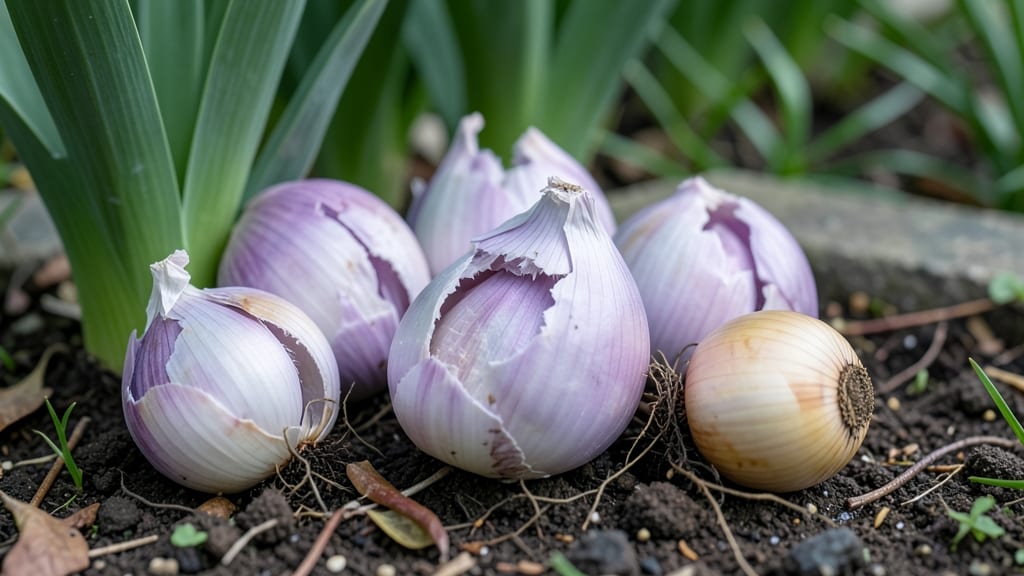
Squirrels do eat hyacinth bulbs, especially in late winter or early spring when food is scarce, often digging them up and leaving empty holes in garden beds. Their foraging can destroy blooms before they emerge.
Hyacinth bulbs contain natural sugars and nutrients that make them irresistible to hungry squirrels during their peak foraging season. 🐿️ These rodents have an incredible sense of smell and can detect buried bulbs up to 12 inches deep, making shallowly planted hyacinths particularly vulnerable.
The damage isn't just about lost bulbs—squirrels often leave behind disturbed soil that can expose roots to frost or disease. I've seen gardeners lose entire hyacinth beds overnight when squirrels target them during late winter when natural food sources are scarce.
What's particularly frustrating is that squirrels often don't eat the entire bulb—they'll take just enough to satisfy their hunger, leaving the rest to rot or fail to bloom. This selective feeding means you might not notice the damage until spring when your expected flowers never appear.
The good news is that with the right protective measures, you can significantly reduce this type of destruction in your garden.
💡 In This Article
- Why Squirrels Target Hyacinth Bulbs and Their Digging Behavior
- Effective Ways to Protect Hyacinth Bulbs from Squirrel Damage
Why squirrels target hyacinth bulbs and their digging behavior
Hyacinth bulbs contain concentrated carbohydrates and starches that squirrels find extremely appealing, especially when natural food sources dwindle in late winter. These bulbs store energy in a way similar to how squirrels store their own winter reserves, making them a high-calorie snack.
The bulbs' sweet aroma—often described as a mix of honey and vanilla—actually attracts squirrels from up to 50 feet away, using scent trails they follow like culinary GPS. 🌱 This explains why you might see squirrels sniffing the soil around your garden beds even when no visible digging occurs.
The timing of squirrel attacks coincides with their natural foraging patterns. Eastern gray squirrels, for example, begin their most aggressive digging between January and March, when ground is thawed enough to expose bulbs but before spring plants provide cover.
Their digging technique involves using their powerful front claws to scrape away soil in 2-3 inch wide circles, often targeting areas where bulbs were planted at shallower depths (4-6 inches instead of the recommended 6-8 inches).
This explains why gardeners often find perfectly round holes where hyacinths should be blooming.
What makes this behavior particularly frustrating is squirrels' selective eating habits. They rarely consume the entire bulb—they'll take just enough to satisfy their immediate energy needs, leaving the rest to decompose underground.
This partial consumption means you might not notice the damage until spring when your expected flowers fail to emerge. The disturbed soil from their digging also creates perfect conditions for fungal infections, further reducing your hyacinths' chances of survival. 🐿️
Interestingly, squirrels have an innate preference for dormant bulbs over actively growing ones. This is because dormant bulbs contain higher concentrations of stored nutrients without the fibrous resistance of growing shoots. The bulbs' papery outer layers actually make them easier to peel and consume than many other garden varieties.
This explains why late fall planting (when bulbs are still dormant) often results in higher squirrel predation rates than spring planting.
Another critical factor is the bulb's moisture content. Squirrels can detect bulbs with higher moisture levels through their sensitive whiskers and paws, which they use to "taste" the soil. This is why bulbs planted in well-drained but slightly moist soil become prime targets.
The contrast between dry winter soil and the moist bulb creates a detectable signature that squirrels can't resist. Understanding this helps explain why some gardeners experience more damage in years with wetter winters.
From an ecological perspective, this behavior actually serves a purpose in the squirrel's survival strategy. The energy gained from consuming just one hyacinth bulb can provide enough calories for a squirrel to survive 24-48 hours without additional food.
This makes hyacinths an efficient energy source during their most vulnerable winter months when they expend significant energy maintaining body temperature. 💫