
Size
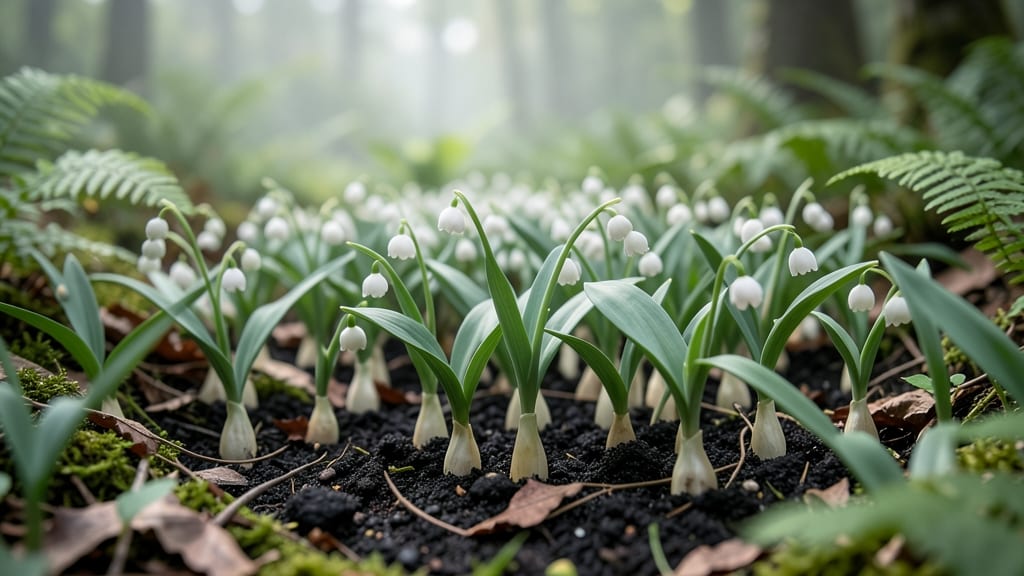
Small gardens deserve vibrant blooms without the fuss. These 10 easy-to-grow bulbs thrive in tight spaces, require minimal care, and deliver stunning seasonal color year after year.
Daffodils for Early Spring Color
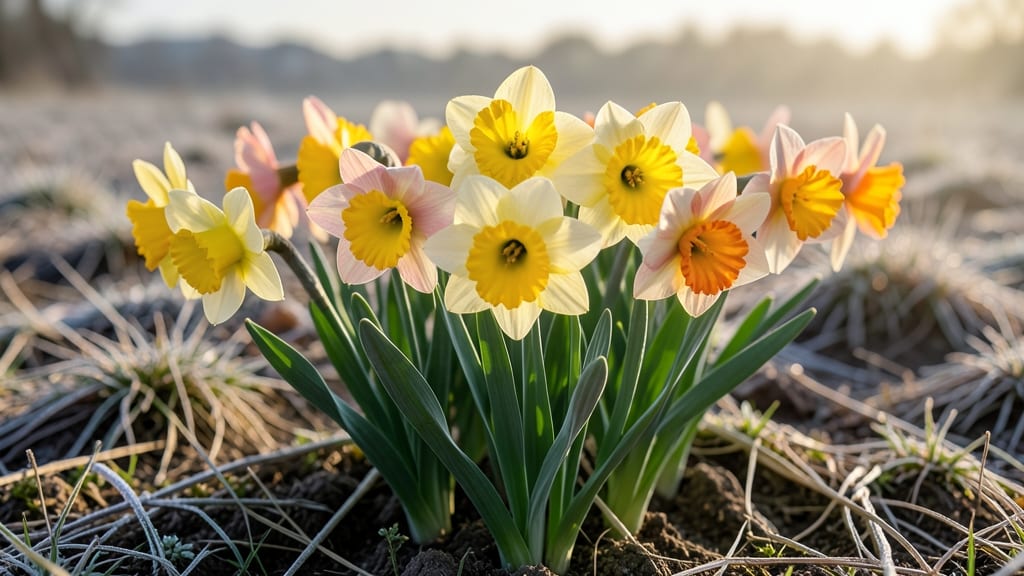
When winter’s grip finally loosens, daffodils burst onto the scene like nature’s fireworks—cheerful, bold, and impossible to ignore. These cold-hardy champions survive frosts that would freeze other plants solid, then reward you with bright yellow (or white, pink, or orange) blooms that signal spring’s arrival.
Plant them in well-draining soil with 6 hours of sun, and they’ll multiply year after year with almost no effort. Their deer-resistant nature makes them a lifesaver for rural gardeners, while their early bloom time ensures you’ll have color before tulips or roses even think about waking up.
Perfect for beginners or busy gardeners, daffodils thrive on neglect—just water occasionally and let them do their thing. 🌱
Tulips in Mixed Heights
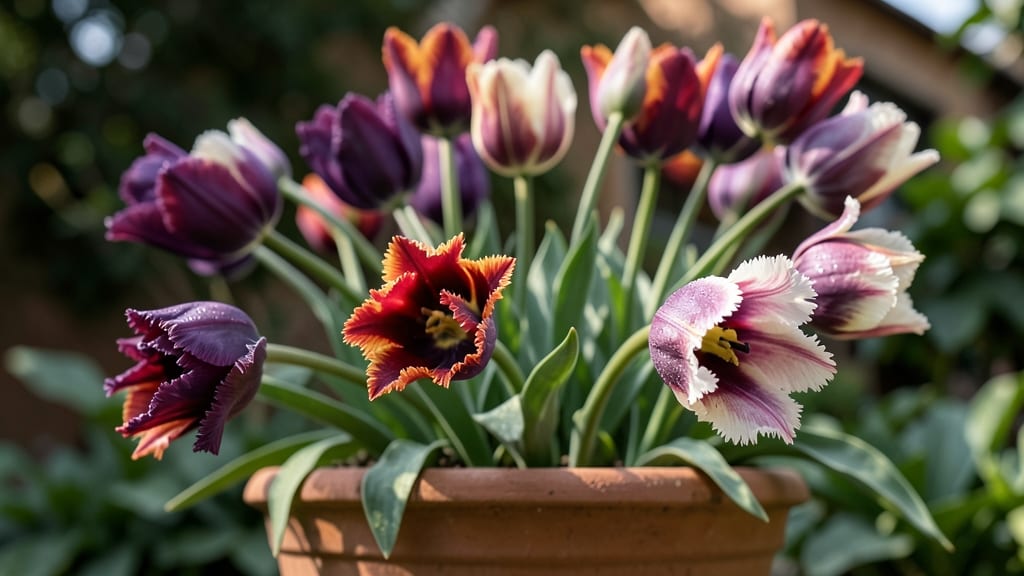
Looking for tulips that pack a punch without the fuss? Mixed-height varieties like 'Parrot' tulips bring bold colors and feathered petals to containers or small borders—no formal garden required. Their unique shapes and vibrant hues (think deep purples, fiery reds, and even two-tone blooms) make them stand out in any space.
Plant bulbs in well-draining soil, 6-8 inches deep, with the pointy end up. For containers, group 3-5 bulbs together for a fuller look, and place them in bright sunlight for 6 hours daily. The best part? Once planted, they need almost no maintenance—just water occasionally until the foliage dies back in summer. Modern varieties like 'Double Late' or 'Fosteriana' also resist wind and rain better than traditional tulips.
These tulips are perfect for urban gardeners, balcony planters, or small front-yard borders. Their striking shapes and colors create instant visual interest with almost zero effort after planting. 🌻
Alliums for Dramatic Height
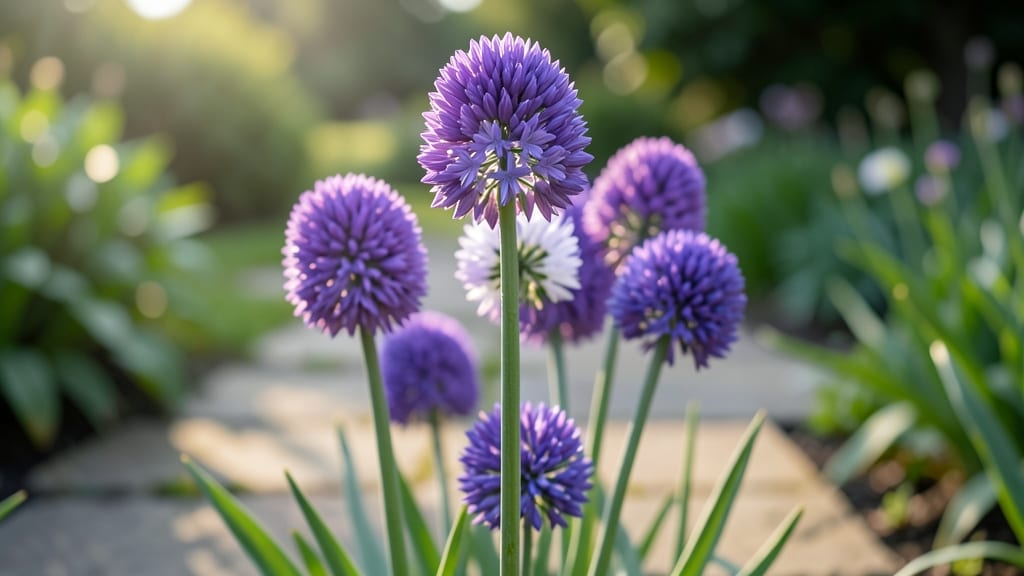
When your garden feels flat and needs an instant vertical boost, alliums are the unsung heroes you’ve been missing. These globular blooms shoot up like purple balloons, reaching heights of 1-4 feet depending on the variety, while requiring almost no upkeep—just plant and forget!
Alliums thrive in full sun to partial shade and tolerate poor soil, making them perfect for urban containers or tight borders. Their spherical flowers attract pollinators like bees and butterflies, and the dried blooms last for weeks in arrangements. Varieties like 'Globemaster' or 'Purple Sensation' add drama without stealing space from other plants.
Urban gardeners and small-space growers will love how alliums fill vertical gaps effortlessly. Plus, they’re drought-tolerant once established, so you won’t waste time fussing over watering. 🌟
Crocus for Winter Interest
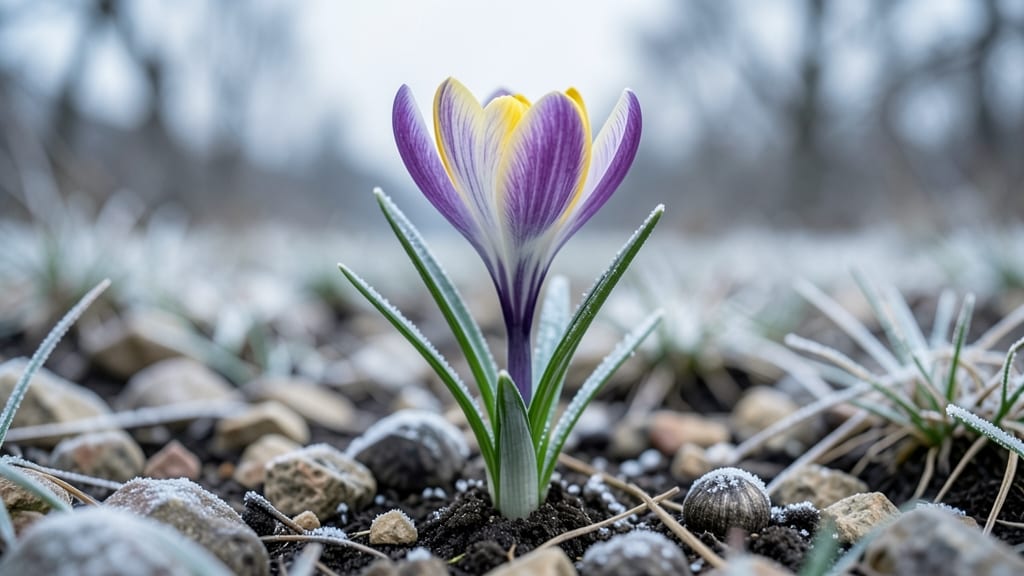
When winter feels endless and your garden looks bare, crocus bursts onto the scene like nature’s own cheerleader. These tiny but mighty bulbs emerge through snow or frost, offering vibrant purple, white, or yellow blooms when little else is growing.
Unlike fussy spring bulbs, crocus thrives in rocky soil and partial shade, making it perfect for under trees where grass struggles. Plant them in fall (4-6 weeks before frost) just 2-3 inches deep—they’ll naturalize over time, creating a carpet of color. Bees and early pollinators adore them, too!
This is the bulb for gardeners who want year-round interest with almost no effort. Even urban gardeners with limited space can tuck them into crevices or containers. 🌷
Hyacinths for Fragrant Clusters
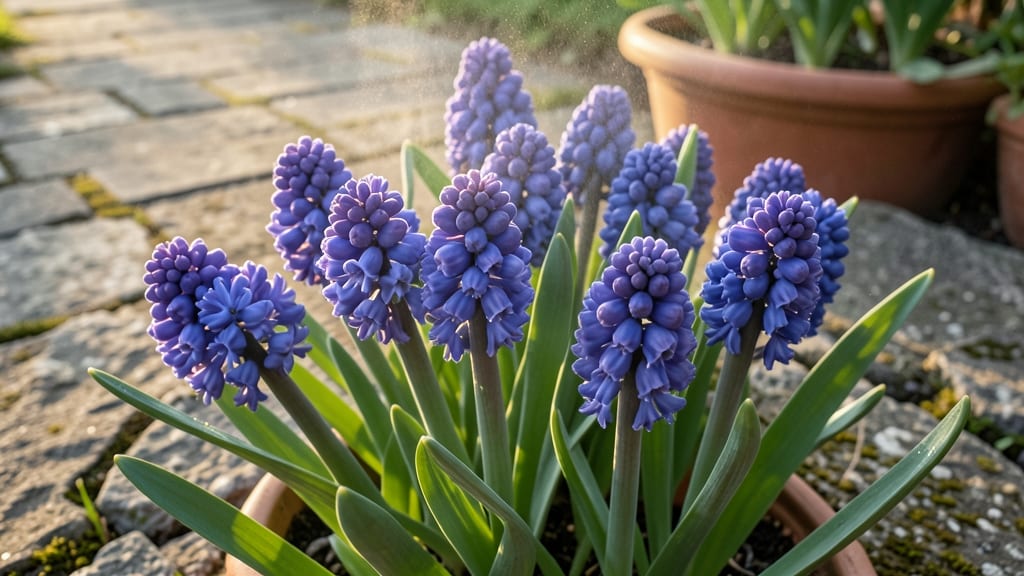
Want a burst of spring fragrance without the fuss of pruning or deadheading? Hyacinths deliver intense, sweet-scented clusters that fill the air with a perfume-like aroma—perfect for small spaces where you want maximum impact.
These compact bulbs thrive in containers or along walkways, making them ideal for patios, balconies, or tight garden beds. Plant them 6 inches deep in well-draining soil, and they’ll reward you with 3-4 weeks of vibrant blooms each spring. Choose from colors like pink, purple, or white for a pop of color that’s hard to resist.
Urban gardeners and small-space lovers will adore how low-maintenance hyacinths are—just plant them once, and they’ll return year after year with minimal care. 🌷
Snowdrops for Shady Spots
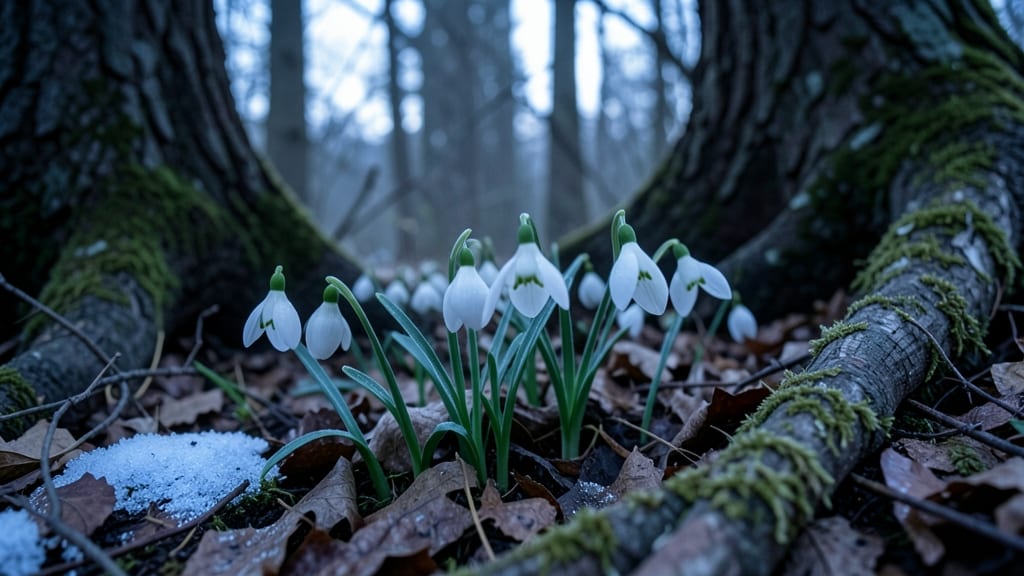
When your garden has deep shade where most plants refuse to grow, snowdrops become your secret weapon. These delicate white blooms thrive under dense trees or in woodland gardens, often emerging through snow or leaf litter for a magical early spring surprise.
Plant snowdrop bulbs in fall, just 2-3 inches deep in well-draining soil with minimal compost. Their hardy nature means they multiply over time, creating naturalized drifts that spread effortlessly. Unlike sun-loving bulbs, they don’t need regular watering—they’re perfectly adapted to moist, shady conditions where nothing else survives.
Perfect for beginners or gardeners with tricky shade spots, snowdrops add year-round interest with their elegant foliage even after blooming. They’re also deer-resistant, making them a low-maintenance choice for problem areas. 🌱
Fritillaria for Unique Checkered Patterns
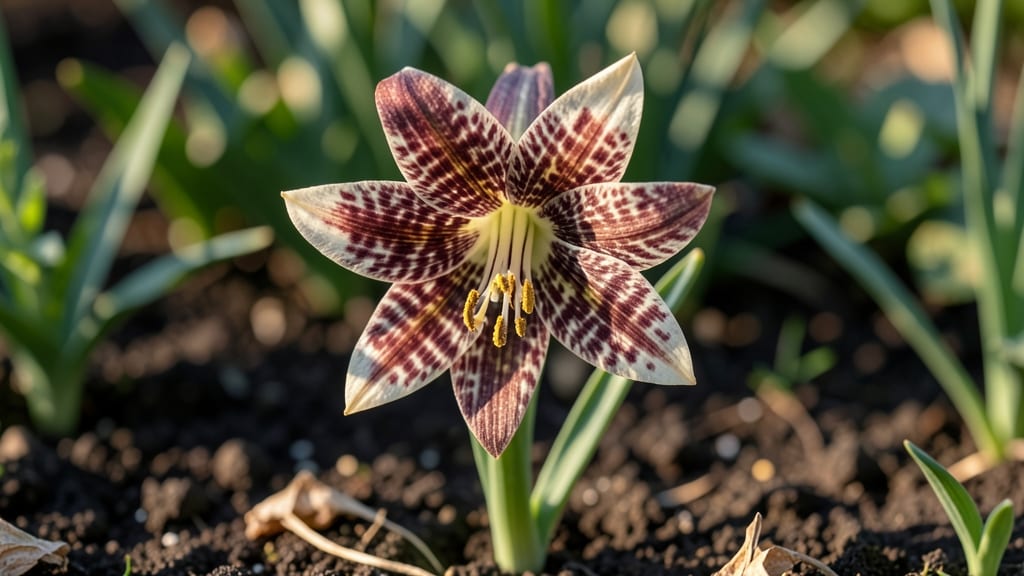
If you crave a bulb that looks like it belongs in a botanical illustration rather than your backyard, fritillaria delivers with its striking checkered patterns—some resembling a snake’s head. This exotic beauty thrives in well-drained soil and rewards patience with dramatic blooms that multiply naturally over time.
Plant fritillaria bulbs in late summer or early fall, 4-6 inches deep in sandy or gritty soil with full sun to partial shade. Unlike most bulbs, they dislike soggy roots, so amend heavy soil with perlite or coarse sand. The ‘Imperialis’ variety produces tall, nodding flowers, while ‘Meleagris’ offers intricate checkerboard blooms—ideal for cottage gardens or rockeries.
Perfect for gardeners who love unusual textures and don’t mind waiting a few years for full impact, fritillaria adds a touch of whimsy with almost no upkeep. Once established, they’ll naturalize and spread, creating a one-of-a-kind focal point. 🌷
Muscari for Blue-Green Ground Cover
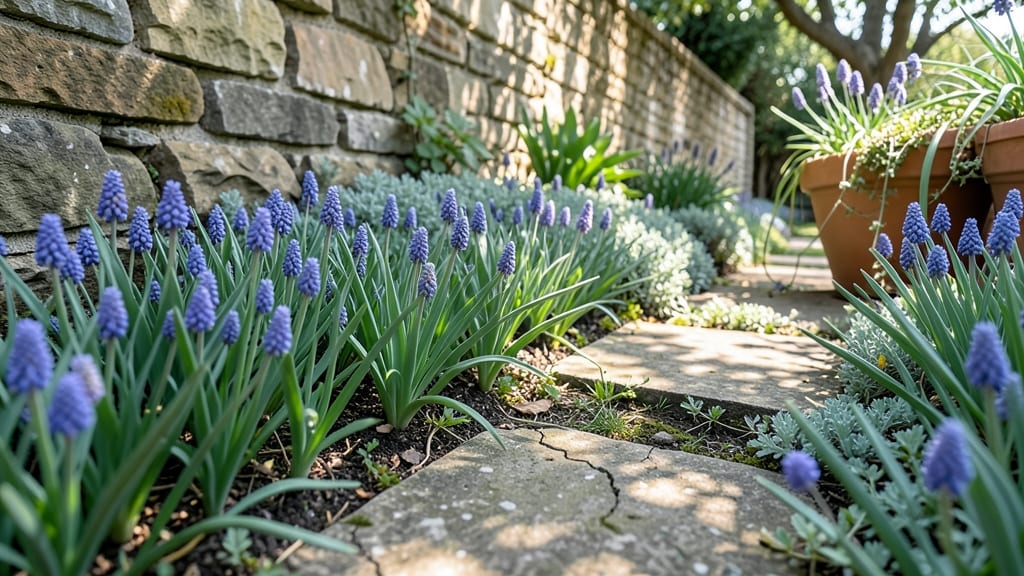
Looking for a low-maintenance way to add blue-green color to tricky garden spots? Muscari—commonly called grape hyacinth—creates a lush, carpet-like effect that fills gaps between stepping stones, cracks in walls, or even container edges with ease.
These clump-forming bulbs thrive in partial shade to full sun and multiply over time, creating dense clusters of tiny, bell-shaped flowers in shades of blue, purple, or white. Plant them 3-4 inches deep in well-drained soil in early fall, and they’ll reward you with spring blooms that last for weeks. Their drought-tolerant nature makes them perfect for urban gardens or spots where other plants struggle.
Urban gardeners and small-space enthusiasts will love how muscari transforms neglected areas into vibrant displays with almost no effort. Just plant once, and enjoy the color for years! 💚
Gladioli for Tall Summer Drama
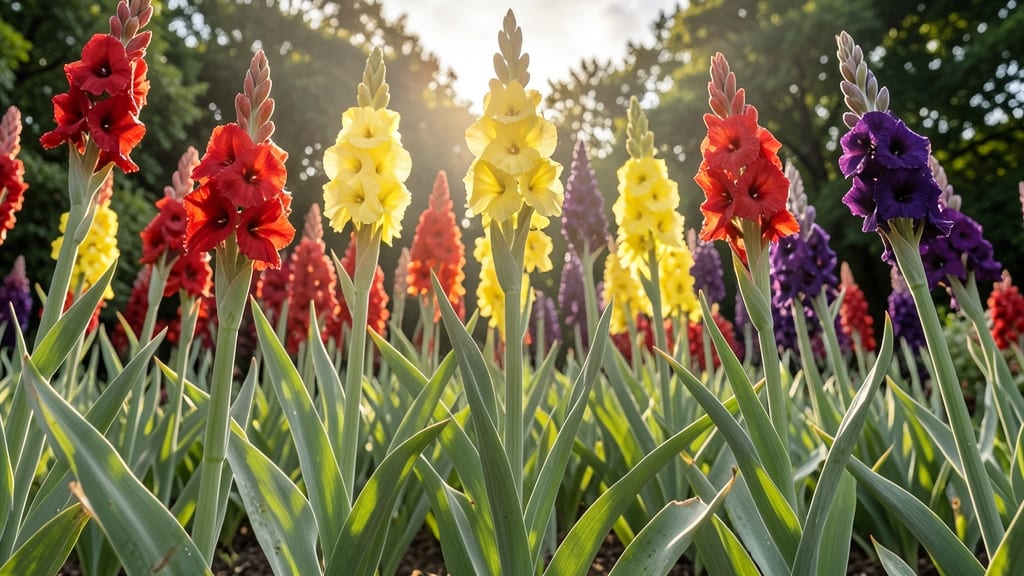
When you crave bold, eye-catching blooms that scream summer, gladioli deliver drama with minimal fuss. These striking, sword-like flowers come in fiery reds, sunny yellows, and deep purples, standing tall at 2-4 feet—perfect for cutting or adding vertical punch to borders.
Plant gladiolus bulbs (corms) in spring after frost, spacing them 6 inches apart in well-draining soil with 6 hours of full sun. Unlike fussy perennials, they thrive with occasional watering and occasional deadheading to prolong blooms. Choose disease-resistant varieties like 'Attraction' or 'Black Star' for foolproof results.
Urban gardeners and cut-flower enthusiasts love gladioli for their long vase life and high-impact color. Just stake them early to prevent flopping—your summer garden will thank you! 🌻
Lily of the Valley for Woodland Charm

If you dream of a fragrant woodland garden but lack sunny spots, lily of the valley is your secret weapon. This shade-loving bulb thrives where most plants struggle, filling your garden with delicate white blooms and a sweet, intoxicating scent that lingers in the air.
Plant the bulbs in well-drained soil under trees or along shady borders in early fall, where they’ll naturalize over time. The heart-shaped foliage stays lush year-round, while clusters of bell-shaped flowers appear in late spring. Though it spreads slowly, each bulb multiplies reliably, creating a self-sustaining carpet of greenery and blooms with almost no effort.
Perfect for beginners and urban gardeners with limited sun, lily of the valley transforms neglected corners into fragrant, magical spaces. Just avoid overwatering—this bulb prefers moist but not soggy soil. 💚