
Planting
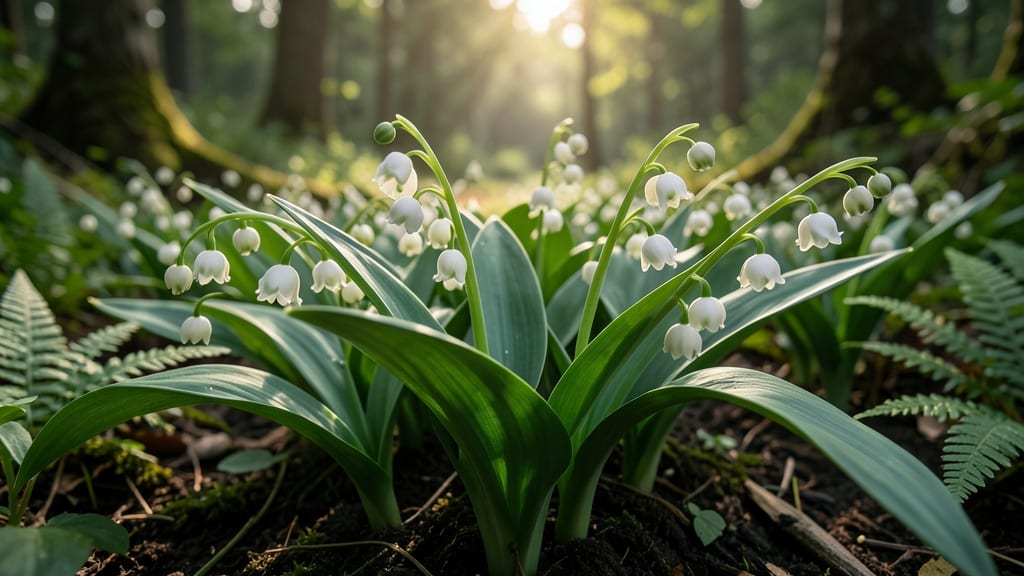
Fall is the perfect time to plant bulbs that will burst into vibrant color next spring. These 10 hardy varieties offer long-lasting beauty, easy cultivation, and some even return year after year with minimal effort.
Classic Tulip Varieties For Early Spring Color
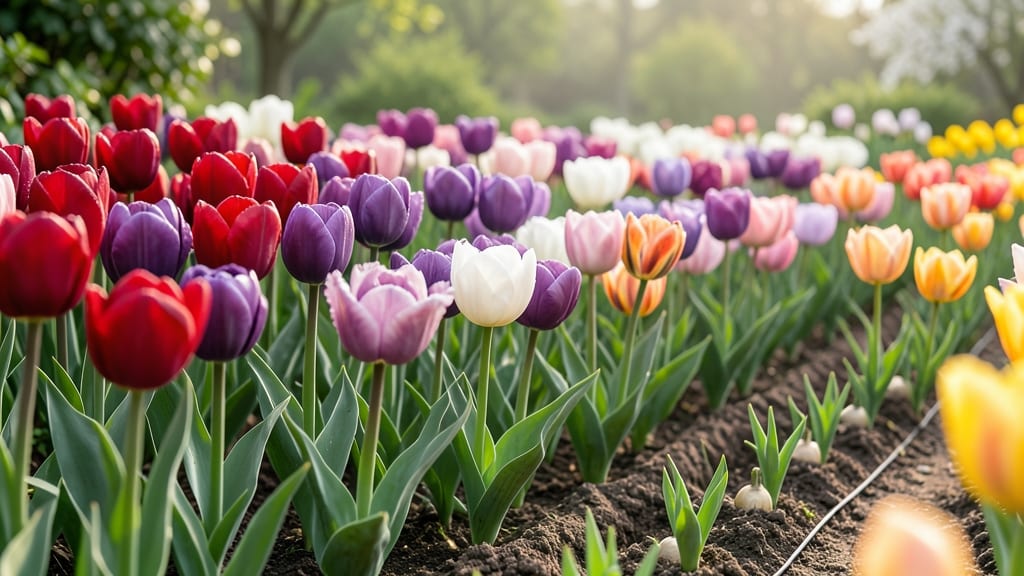
Want to transform your garden into a springtime showstopper with minimal effort? Tulips offer over 150 bold, showstopping varieties—from classic reds to delicate parrot blooms—that thrive in borders and cutting gardens alike.
Plant bulbs in well-draining soil 6-8 inches deep and space them 4-6 inches apart for full, lush blooms. Choose Darwin Hybrid tulips for sturdy stems (great for cutting) or Fosteriana varieties for early, fiery red blooms that emerge before snow melts. Most tulips return yearly, but adding a layer of mulch helps protect them through winter.
Perfect for gardeners who love dramatic color without the fuss, tulips also attract pollinators and pair beautifully with daffodils for layered spring interest. 🌟
Daffodils That Repel Deer Naturally
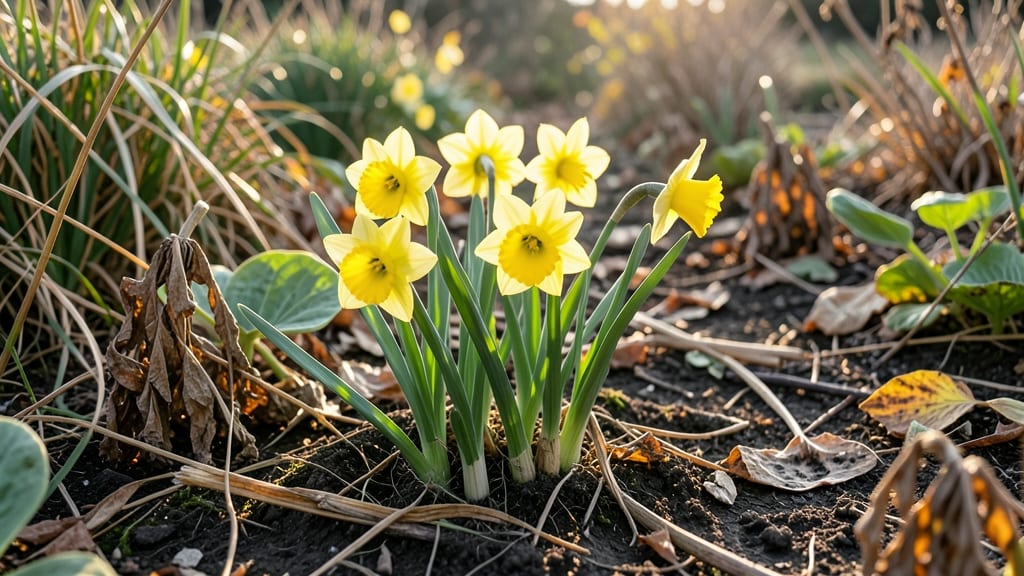
If deer raids have left your garden looking like a buffet after a feast, daffodils might be your secret weapon. These cheerful yellow blooms aren’t just pretty—they contain natural toxins that deer find unappetizing, making them one of the safest choices for rural landscapes.
Plant Narcissus jonquilla or Narcissus poeticus varieties for the strongest deer-deterrent effect, as their bitter compounds are particularly effective. These bulbs thrive in full sun to partial shade and return year after year, with some varieties even multiplying over time. For best results, plant them in well-draining soil at a depth of 6 inches, about 6 weeks before your first frost.
Rural gardeners and wildlife managers will appreciate this dual-purpose solution—bright spring blooms that also protect other plants from hungry deer. 🌻
Hyacinths For Fragrant Garden Perfume
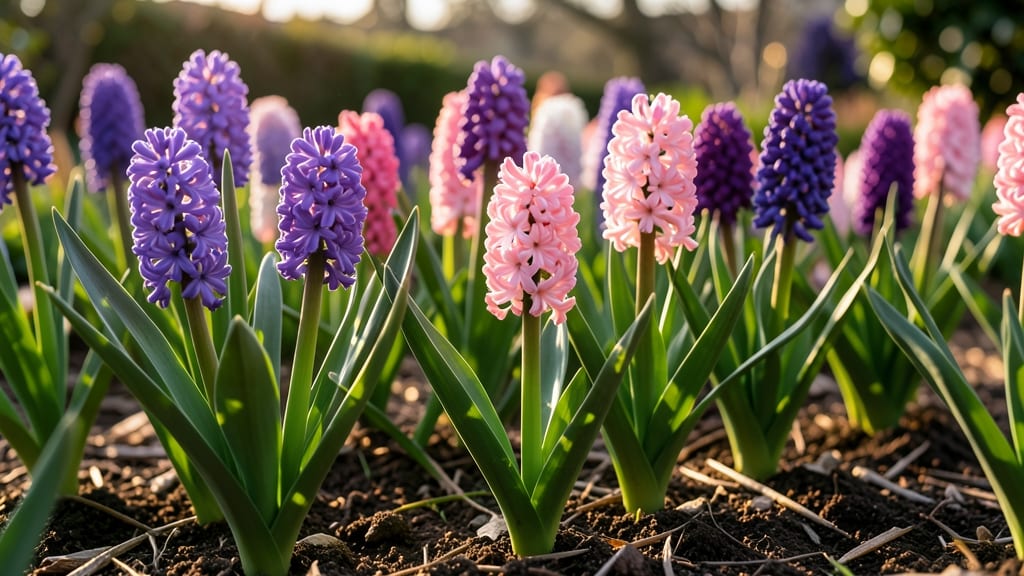
Craving a garden that smells like a springtime perfume shop? Hyacinths are your secret weapon—these compact bulbs pack a punch with their overpowering, sweet fragrance, filling the air with notes of honey, vanilla, or spice depending on the variety.
Plant them in well-draining soil with full sun to partial shade, and you’ll enjoy dense clusters of flowers in early spring. Choose from deep purple ‘Woodstock’, soft pink ‘Annette’, or pure white ‘L’Innocence’ for a fragrant focal point. Just be warned: their scent can be so intoxicating it may attract bees and butterflies in droves!
Perfect for small gardens, containers, or even indoor forcing—hyacinths reward you with year-round memories of that first whiff of spring. 🌷
Alliums For Dramatic Purple Spheres
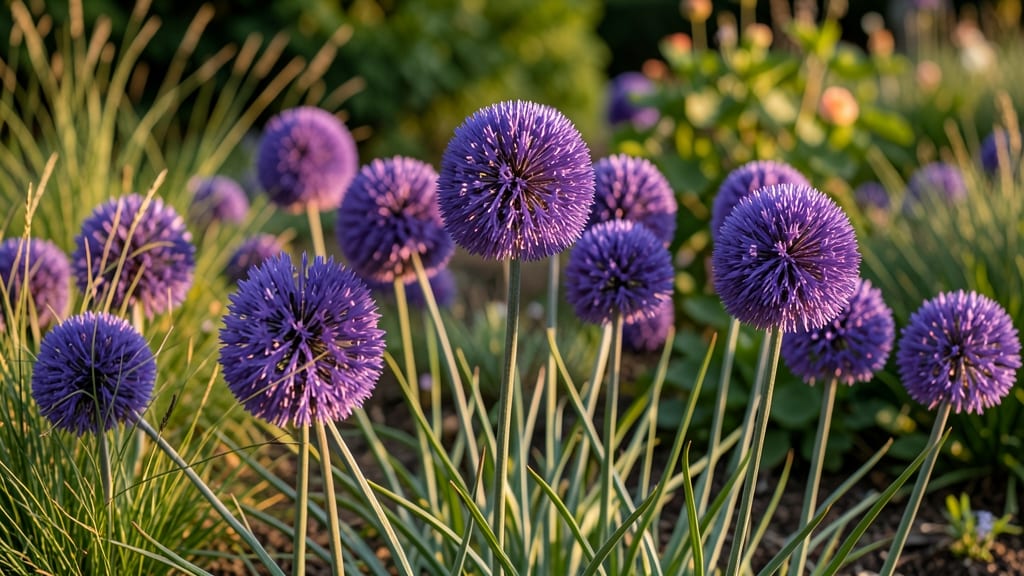
Looking for a garden statement that’s bold, textured, and effortlessly striking? Alliums deliver globular purple blooms that rise like architectural sculptures, turning heads in borders and bouquets alike.
These drought-tolerant bulbs thrive in full sun to partial shade and attract pollinators with their nectar-rich flowers. Varieties like Allium giganteum (giant allium) reach 5 feet tall, while Allium schubertii offers smaller, grape-like clusters. Plant them in fall for spring blooms that last weeks—perfect for cutting or drying.
Ideal for modern gardens, cottage styles, or pollinator-friendly landscapes, alliums are low-maintenance yet high-impact. 🌻
Crocus For Early Pollinator Support
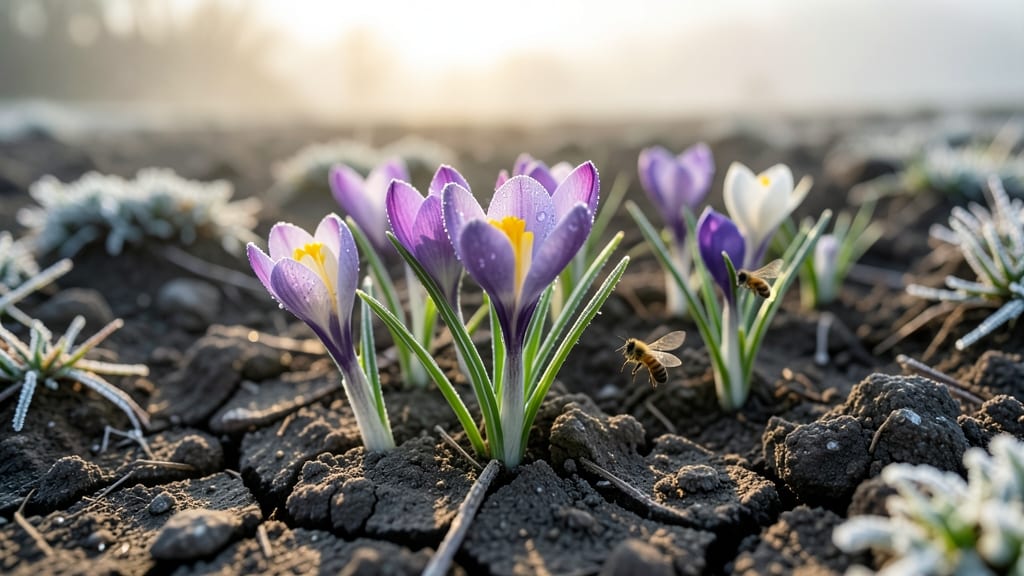
Before most spring bulbs even think about waking up, crocus flowers are already pushing through the soil, offering a vital food source for early bees and butterflies emerging from winter. These tiny but mighty bloomers arrive as early as February in many climates, making them a lifeline for pollinators when little else is available.
Plant crocus bulbs 3-4 inches deep in fall, spacing them 2-3 inches apart for a natural, carpet-like effect. They thrive in full sun to partial shade and prefer well-draining soil—ideal for rock gardens or along pathways where their delicate white, purple, or yellow flowers will catch the eye. Most varieties multiply over time, creating denser displays each year with almost no maintenance.
Perfect for urban gardeners with limited space or those eager to support pollinators, crocus bulbs are a simple way to make a big impact. Just plant them in fall and enjoy their cheerful blooms before other spring flowers even appear! 🌱
Fritillaria Imperialis For Luxurious Height
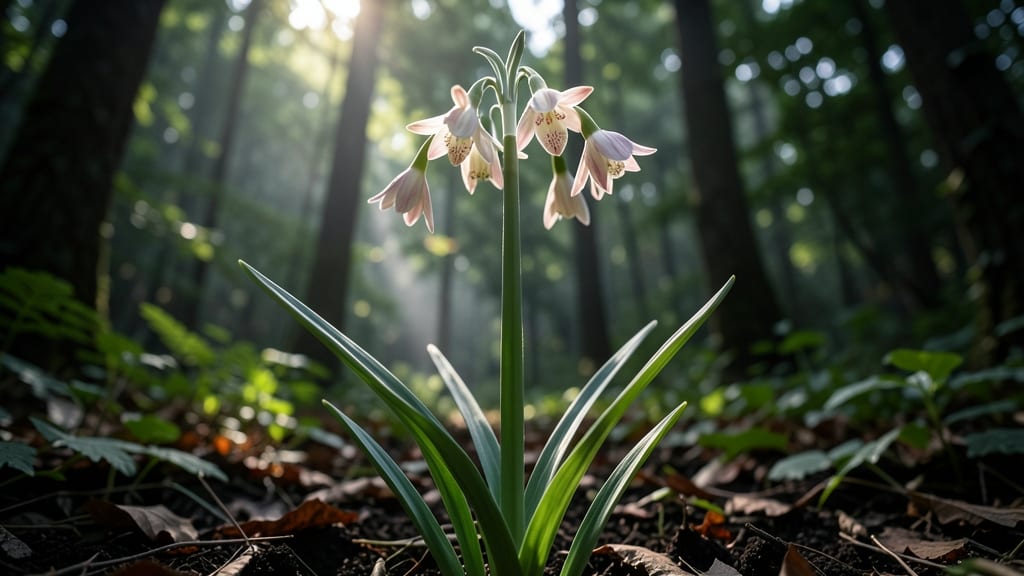
If you crave a garden statement that commands attention without needing full sun, Fritillaria imperialis delivers with its towering stems and exotic charm. This "crown imperial" bulb thrives in shady corners where most spring bloomers fade, producing 3-4 foot stems topped with nodding, bell-shaped flowers in deep orange, red, or yellow.
Plant the bulbs in well-draining soil during fall's cooler months (October-November in most zones), positioning them just 4-6 inches deep with their pointed ends up. The fragrant blooms appear in late spring, long after other bulbs have finished, and the foliage provides striking vertical interest throughout summer. For woodland gardeners or those with limited sun, this bulb offers year-round structural beauty that few other plants can match. 🌟
Snowdrops For Winter-Spring Transition
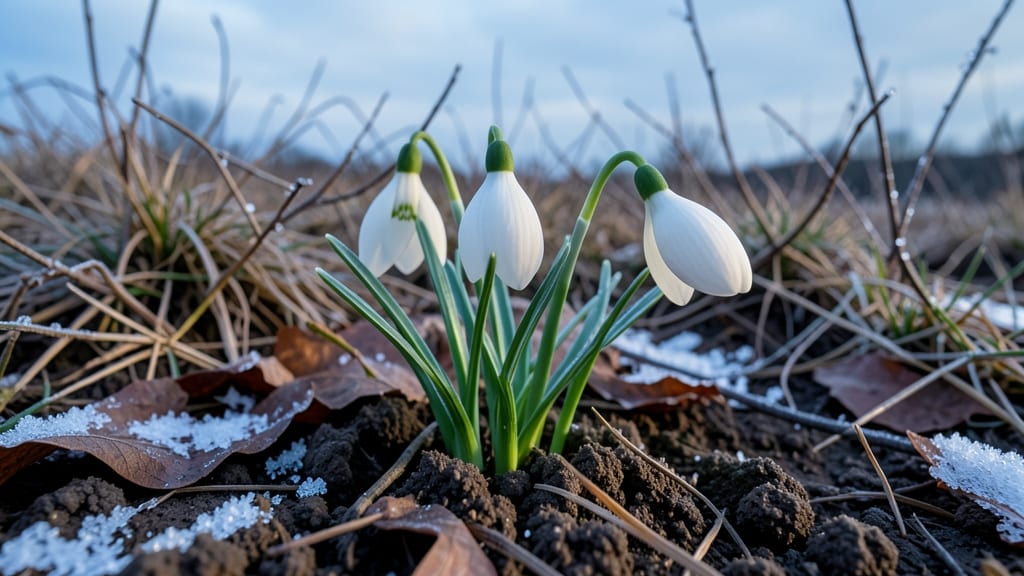
When winter still clings to your garden, snowdrops (Galanthus) are nature’s way of whispering, "Spring is coming." These hardy perennials push through snow and frozen soil to deliver delicate white blooms as early as late winter, often before other bulbs even think about waking up.
Plant snowdrop bulbs in fall (October-November) in partial to full shade, where they’ll thrive in moist, well-draining soil with minimal fuss. Their naturalizing habit means they’ll multiply over time, creating lush colonies that return year after year. Unlike many spring bulbs, snowdrops tolerate heavy clay soils and even urban garden conditions, making them ideal for shady borders or woodland gardens.
Perfect for gardeners in USDA zones 3-8, snowdrops bring early pollinator support and a touch of magic to winter landscapes. Their low-maintenance nature and disease resistance make them a must-have for cold-climate gardens. 🌱
Muscari For Bluebell-Like Clusters
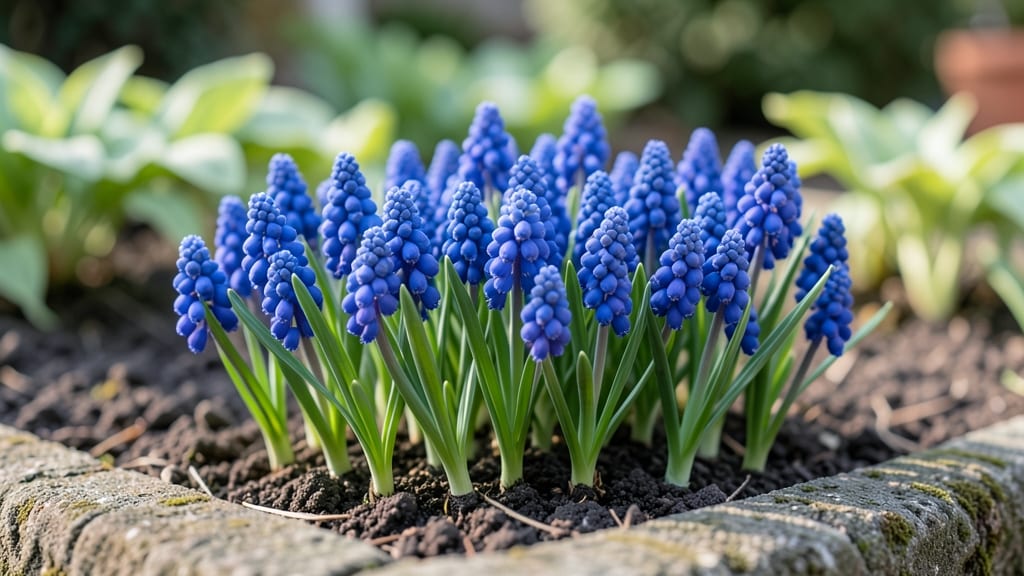
Looking for a gap-filling spring bulb that spreads effortlessly and packs a punch? Muscari, or grape hyacinths, deliver dense blue clusters that resemble bluebells but with half the fuss. These compact bulbs thrive in tight spaces, making them perfect for edging paths, filling container gaps, or adding pops of color to cottage-style gardens.
Plant muscari bulbs 4-6 inches deep in well-draining soil, and they’ll reward you with prolific blooms year after year with minimal care. They love full sun to partial shade and tolerate drought once established—ideal for low-maintenance gardeners. For extra drama, mix them with tulips or daffodils to create a layered spring display that lasts for weeks.
Urban gardeners and small-space enthusiasts will love how muscari spreads naturally without becoming invasive, filling in bare spots while requiring zero deadheading. Their cheerful blue blooms also attract pollinators early in the season. 💚
Anemones For Late-Season Elegance
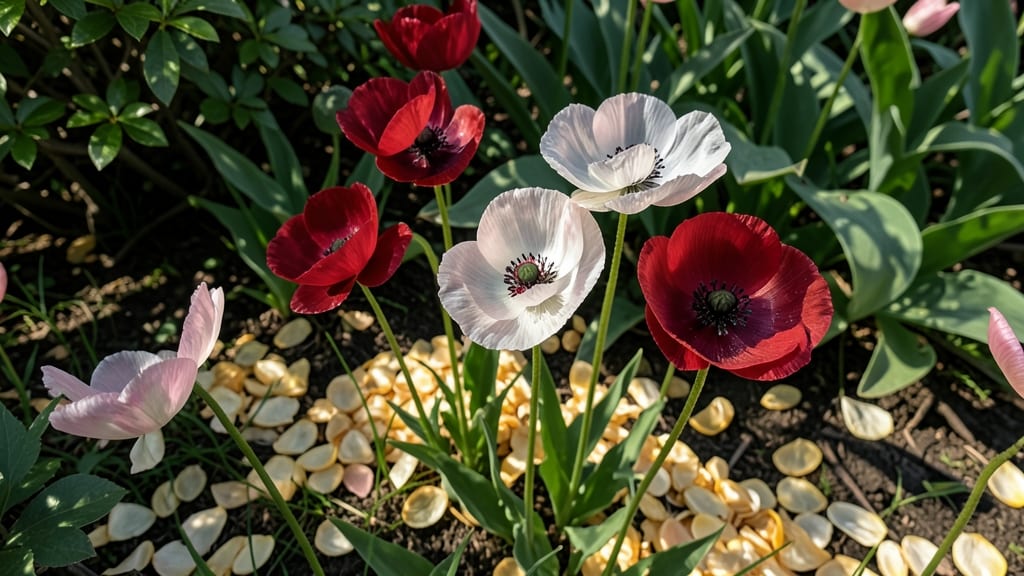
When your tulips and daffodils start fading, anemones step in to extend your garden's elegance with their delicate, papery blooms. These late-season stars thrive in partial shade and bring deep reds, whites, and even soft pinks to your garden beds from late spring through early summer.
Plant anemone bulbs in fall (October-November in most zones) at a depth of 3-4 inches in well-draining soil. They prefer moist but not soggy conditions, making them ideal for woodland edges or under trees. Varieties like Anemone coronaria offer striking color contrast against fading spring blooms, while Anemone nemorosa (wood anemone) spreads gently to create naturalized drifts.
Perfect for gardeners who want to bridge the gap between spring and summer color, anemones bring a unique texture and grace that other bulbs can't match. Their late blooming season makes them a must-have for extending your garden's show. 🌷
Lily Of The Valley For Shady Spots

If your garden has shady spots where other spring bulbs refuse to thrive, lily of the valley (Convallaria majalis) is your secret weapon. This classic woodland plant blooms in late spring with clusters of delicate bell-shaped flowers that perfume the air with a sweet, intoxicating fragrance—unmatched by most other bulbs.
Unlike sun-loving bulbs, lily of the valley thrives in partial to full shade, making it perfect for under trees, along north-facing fences, or in woodland gardens. Plant the bulbs in well-draining, humus-rich soil in fall, about 3 inches deep and spaced 6 inches apart. Once established, it spreads gently to form lush, evergreen ground cover that returns year after year with minimal care.
This bulb is especially rewarding for gardeners with woodland-style gardens or limited sun, offering both beauty and low-maintenance reliability. Just be cautious—its milky sap can irritate skin, so wear gloves when handling. 🌿