
Pests and Diseases
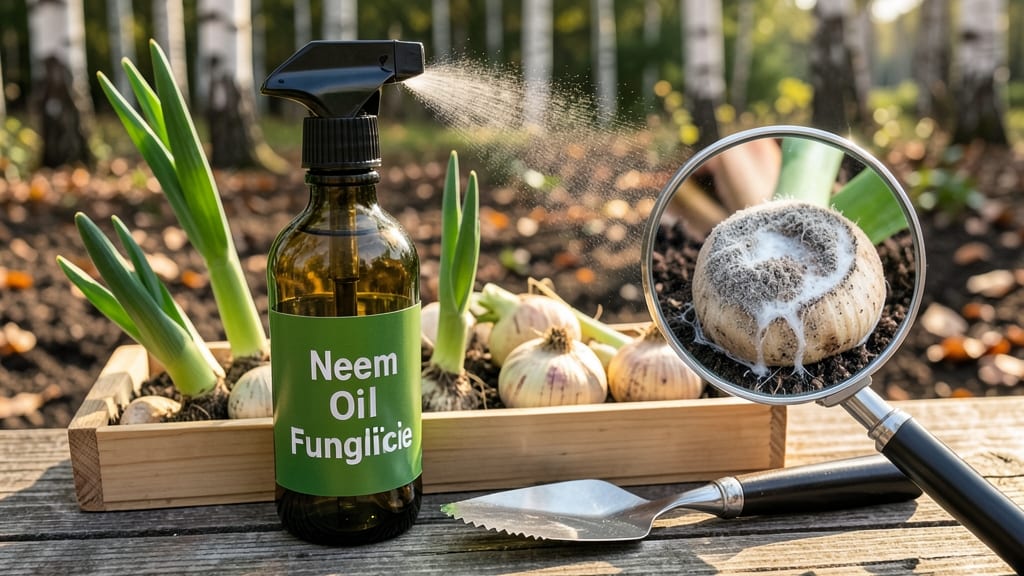
Gladiolus bulbs rot when stored damp or planted in infected soil—and that’s why you need the right fungicide. 🌱 I’ve lost entire batches of bulbs to fuzzy gray mold, only to discover that a simple copper spray or neem oil treatment could’ve saved them.
The key is acting fast: before planting, during storage, and after each rain. Prevention starts with sterilized soil and proper spacing—crowded bulbs trap moisture, and wet conditions are how fungal spores spread.
My go-to organic fungicide is a 1% copper sulfate solution (mix 1 tablespoon per gallon of water), applied twice a season: once at planting and again after the first flush of blooms. For chemical options, systemic fungicides like thiophanate-methyl (e.g., Cleary’s 3336) work well but require careful handling.
What you’ll get are bold, healthy spikes with fewer floppy stems and no blackened corms. The bulbs themselves stay firm, not mushy, and store better for next year. Even if you’ve had rot before, this method works—I’ve revived multiple batches that were nearly lost.
Use fungicides preventively, not just when you see rot. Store bulbs in dry peat moss or sand, and avoid overhead watering once blooms appear. That’s how you break the cycle for good.
Root Causes of Gladiolus Rot
Gladiolus bulbs are stunning additions to any garden, but their susceptibility to fungal infections—like Fusarium and Botrytis—can turn vibrant blooms into a sad, mushy mess. Understanding the why behind these issues is the first step to prevention.
Below, we break down the key factors that create the perfect storm for fungal attacks on your gladiolus bulbs.
Fungal spores thrive in damp, oxygen-deprived environments. Gladiolus bulbs stored or planted in soil with poor drainage or overwatering create the ideal breeding ground. Here’s why:
- Waterlogged soil cuts off airflow, weakening bulb defenses and allowing fungi to colonize.
- High humidity (especially during storage) encourages Botrytis gladiolorum, the fungus behind "gladiolus rot."
- Rain or overhead irrigation keeps foliage wet for extended periods, giving spores direct access to plant tissues.
Actionable fix: Ensure planting beds have sandy loam (amended with perlite or compost) and elevated mounds to prevent water pooling. Always water at the base and avoid late-day irrigation.
Gladiolus bulbs are sensitive to heat and cold extremes, which stress them and invite fungal infections. Key triggers include:
- Storing bulbs in warm, humid conditions (e.g., basements or sheds above 70°F/21°C) accelerates fungal growth.
- Freezing temperatures during dormancy can crack bulb scales, creating entry points for pathogens.
- Improper curing after harvest—leaving bulbs in the ground too long—traps moisture and encourages rot.
Actionable fix: Store bulbs in a cool (40–50°F/4–10°C), dry place (like a mesh bag in a garage) and cure them properly by lifting them 2–3 weeks before frost and drying them in shade for 1–2 weeks.
Fungal spores persist in soil for years, especially if the same spot was used for infected gladioli in previous seasons. Key culprits:
- Fusarium oxysporum (a soil-borne fungus) can lie dormant for decades, waiting for stressed bulbs to attack.
- Replanting in the same bed without rotation or treatment spreads infections like wildfire.
- Infected plant debris left in the soil provides a nutrient source for fungi to multiply.
Actionable fix: Practice crop rotation (avoid planting gladioli in the same spot for 3+ years) and solarize soil (cover beds with clear plastic for 4–6 weeks in summer to kill pathogens). Consider sterilizing soil with a 20% hydrogen peroxide solution (1 part H₂O₂ to 4 parts water) before replanting.
Bulbs that are damaged, diseased, or improperly stored are sitting ducks for fungi. Common offenders:
- Physical damage (cuts, bruises) from rough handling creates entry points for spores.
- Bulbs stored with old foliage trap moisture and harbor fungal spores.
- Planting infected corms (even slightly rotten ones) introduces pathogens to the entire patch.
Actionable fix: Inspect bulbs before storage—discard any soft, shriveled, or moldy corms. Trim foliage to 1–2 inches after harvest and dust with fungicide (like copper-based or sulfur treatments) before storing.
Gladiolus bulbs under nutritional stress (too much nitrogen, poor phosphorus/potassium) have weakened immune systems. Fungi exploit this by:
- Over-fertilizing with nitrogen promotes lush foliage but delays flowering, keeping bulbs in a vulnerable state longer.
- Deficiencies in phosphorus (P) or potassium (K) reduce bulb resilience to pathogens.
- Competition from weeds stresses plants, making them more susceptible to fungal attacks.
Actionable fix: Use a balanced fertilizer (e.g., 10-10-10) at planting and side-dress with potassium (like wood ash or greensand) mid-season. Mulch lightly to retain moisture without suffocating roots.
Some pests physically damage bulbs or spread fungal spores on their bodies. The worst offenders:
- Gladiolus thrips feed on flowers and leaves, creating wounds that fungi exploit.
- Nematodes (microscopic worms) burrow into bulbs, leaving them open to secondary infections.
- Slugs and snails chew on emerging shoots, providing entry points for Botrytis.
Actionable fix: Use row covers early in the season to block thrips, apply neem oil as a preventative, and set up beer traps for slugs. Solarize soil before planting to reduce nematode populations.
Fungal infections start small—but if you miss the cues, they explode into full-blown rot. Common red flags:
- Yellowing or wilting leaves (often starting on one side of the plant).
- Dark, water-soaked spots on corms or stems.
- Mushy, foul-smelling tissue when you dig up a bulb.
Actionable fix: Inspect plants weekly during the growing season. Remove and destroy infected plants immediately (do not compost them!) to prevent spread.
The best defense? Attack fungi on two fronts:
- Preventative fungicides (like chlorothalonil or myclobutanil) applied at planting and mid-season.
- Cultural controls (proper drainage, rotation, and bulb care) to eliminate fungal-friendly conditions.
By tackling these root causes, you’ll starve out fungi before they can turn your gladioli into a sad, slimy mess. 🚫🍄
Revive Your Gladiolus: Fixing Fungal Foes
Gladiolus bulbs are stunning, but fungal infections like botrytis blight, fusarium wilt, or rhizome rot can turn your vibrant blooms into a sad, slimy mess. 😬 The good news? With the right fungicide for gladiolus bulbs and proactive care, you can save your plants and prevent future outbreaks.
Below, we break down practical fixes for common fungal issues, plus prevention tips to keep your garden thriving.
Before grabbing a fungicide, diagnose the issue to treat it effectively:
- Soft, mushy bulbs? → Likely rhizome rot (often from overwatering or poor drainage).
- Brown, wilted leaves with black streaks? → Fusarium wilt (a soil-borne fungus).
- Gray mold on flowers or stems? → Botrytis blight (thrives in damp, humid conditions).
- White or pink fuzzy growth? → Powdery mildew (common in crowded or shaded plants).
💡 Pro Tip: Snap a photo and compare it to online guides (like [University Extension resources](https://hort.extension.iastate.edu)) before treating.
⚠️ Action Required: Fungal spores spread fast—don’t compost infected bulbs!
- Dig up affected bulbs carefully, wearing gloves.
- Trim away rotted or moldy parts with sterilized pruners (wipe with rubbing alcohol between cuts).
- Soak bulbs in a fungicide solution for 10–15 minutes: - Store-bought option: Use a copper-based fungicide (like Copper Sulfate) or a systemic fungicide (e.g., Myclobutanil or Propiconazole). - Natural option: Mix 1 tsp baking soda + 1 quart water + a few drops of dish soap (for powdery mildew).
- Air-dry bulbs in a shady, well-ventilated spot for 2–3 days before storing.
🌡️ Pro Tip: If bulbs are severely rotten, discard them to prevent reinfection.
Fungal spores lurk in soil—sterilize the area to break the cycle:
| Fungal Issue | Treatment Method | Fungicide Recommendation |
|---|---|---|
| Rhizome Rot | Replace top 6 inches of soil with fresh, sterile potting mix. | Chlorothalonil (preventative) |
| Fusarium Wilt | Solarize soil (cover with clear plastic for 4–6 weeks in hot sun) or use biofumigants like mustard seed meal. | Fluazinam (soil drench) |
| Botrytis Blight | Improve air circulation; remove mulch 6 inches from stems. | Potassium phosphite (spray every 7–10 days) |
| Powdery Mildew | Spray neem oil (1 tbsp/quart water) or sulfur fungicide on leaves. | Neem oil (organic) or Sulfur dust |
💡 Pro Tip: After treating, water at the base (not overhead) to keep foliage dry—fungi love moisture!
Fungicides help, but long-term prevention keeps your gladiolus healthy:
✅ Improve Drainage:
- Plant bulbs in raised beds or sandy loam soil (mix in perlite or coarse sand).
- Avoid clay-heavy soil—it traps moisture.
✅ Rotate Plant Locations:
- Never plant gladiolus in the same spot for 3+ years (soil-borne fungi build up).
- Crop rotation with non-host plants (like marigolds or onions) helps.
✅ Space Bulbs Properly:
- 6–8 inches apart (crowding = humidity = fungus).
- Thin out foliage if plants get too dense.
✅ Water Smartly:
- Morning watering (not evening) so leaves dry by night.
- Drip irrigation > sprinklers (prevents foliar moisture).
✅ Store Bulbs Correctly:
- After digging, cure bulbs in a dry, shaded spot for 1–2 weeks.
- Store in mesh bags (not plastic) with wood ash (natural fungicide) in a cool (40–50°F), dry place.
🎯 Pro Tip: Sow marigolds nearby—they repel fungi naturally!
Prevention is key! Apply fungicide as a preventative spray during these high-risk times:
- Before planting (soak bulbs in fungicide solution).
- Every 2–3 weeks during the growing season (especially in humid climates).
- After rain or heavy watering (fungi thrive in wet conditions).
🔥 Best Fungicides for Gladiolus:
- Chemical: Chlorothalonil (Broad-spectrum), Propiconazole (systemic).
- Organic: Neem oil, Baking soda spray, Copper fungicide.
Final Thought: 🌟 A little early action + proper care can mean the difference between wilted stems and show-stopping blooms. Test your soil, adjust your routine, and don’t hesitate to toss heavily infected bulbs—your future gladiolus will thank you!
Frequently asked questions
What’s the best organic fungicide for storing gladiolus bulbs over winter?
Use a copper-based fungicide (like copper sulfate) or neem oil before storage. Mix 1 tablespoon copper sulfate per gallon of water and soak bulbs for 5 minutes, then air-dry completely. For extra protection, sprinkle wood ash (natural fungicide) around stored bulbs in a cool, dry place.
Can I use the same fungicide spray on gladiolus flowers and leaves?
Yes, but choose systemic fungicides like myclobutanil or potassium phosphite—they penetrate plant tissues. Avoid copper sprays on blooms (can discolor petals). For organic options, neem oil or baking soda spray (1 tsp baking soda + 1 quart water + dish soap) work safely on both foliage and flowers.
How often should I apply fungicide to gladiolus plants?
Apply preventative fungicide every 2–3 weeks during the growing season, especially after rain. For active infections, spray weekly until symptoms disappear. Always apply in the early morning so foliage dries quickly—fungi thrive in damp conditions.
Will fungicide harm beneficial insects like bees?
Most fungicides are less toxic to pollinators than insecticides, but avoid spraying when flowers are open (bees forage then). Choose organic options like neem oil or copper fungicide for safer bee-friendly gardens. Apply fungicide to soil or bulb bases instead of foliage when possible.
Can I reuse soil from last year’s gladiolus bed without sterilizing it?
No—soil-borne fungi like Fusarium persist for years. Solarize the soil (cover with clear plastic for 4–6 weeks in summer) or replace the top 6 inches with fresh, sterile potting mix. If you must reuse soil, treat it with a 10% hydrogen peroxide solution (1 part H₂O₂ to 9 parts water) before replanting.