
Planting
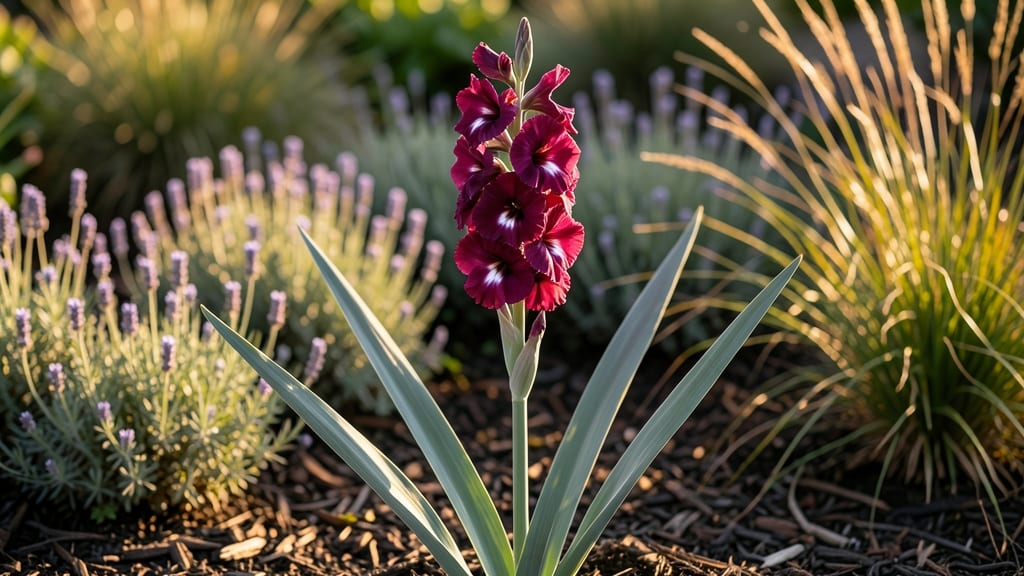
Planting Gladioli Byzantium bulbs means late-summer drama in your garden—tall, velvety blooms that stand out like a spotlight. 🌿 I’ve grown these for years, and their rich colors (deep purples, burgundies, and near-black flowers) turn any garden into a showstopper.
The key? Timing and soil prep—get it right, and you’ll have 6-foot spikes of flowers when everything else is fading.
Start with sun-drenched soil and dig bulbs 6 inches deep, spacing them 6 inches apart in rows. They love well-draining soil mixed with compost—think of it as giving them a rich, airy bed to root into.
Plant in early spring (after the last frost) or late summer for fall blooms, and watch them shoot up like magic.
Water deeply once a week, keeping the soil moist but not soggy—think of it as a drink of water for their long stems. A balanced fertilizer every 4 weeks keeps them strong, and staking taller varieties prevents them from flopping in wind or rain.
By mid-summer, you’ll have bold vertical accents that draw every eye in the garden.
When the season ends, dig up the bulbs before frost hits—store them in a cool, dry place until next year. Avoid overwatering or letting them sit in wet soil, and you’ll have reliable blooms year after year. These aren’t just flowers; they’re a statement piece for your garden.
📚 In This Guide
- What you need
- Instructions
- Tips and common mistakes
- Wrapping up and next steps
What you need
- ● Gladioli Byzantium bulbs – 10–20 bulbs (depending on desired coverage; spacing ~4–6 inches apart). Choose firm, plump bulbs (1.5–2 inches in diameter) for best blooms.
- ● Well-draining garden soil – Amend with compost (1–2 inches mixed into top 6–8 inches of soil) for nutrients.
- ● Garden fork or tiller – To loosen soil to a depth of 12–15 inches.
- ● Planting hole – Dig to a depth of 4–6 inches (twice the bulb’s height).
- ○ Slow-release fertilizer (optional but recommended) – 5-10-10 or 10-10-10 (1 tbsp per bulb) for extra vigor.
- ● Mulch – 2–3 inches of straw or shredded bark to retain moisture and suppress weeds.
- ● Watering can or hose with a gentle spray nozzle – For post-planting hydration.
- ● Garden gloves – To protect your hands from soil and sharp bulb edges.
- ● Epsom salt – 1 tbsp per gallon of water (spray on foliage monthly for richer blooms!).
- ● Stakes or trellis – If your variety leans heavily (2–3 feet tall), support stems early to prevent flopping.
- ● Soil moisture meter – To monitor consistent dampness (aim for 1–2 inches of water weekly).
- ● Garden journal – Track planting dates, sunlight, and bloom times for future reference!
How to plant gladioli Byzantium bulbs for stunning late-season height
Here's how I transform my garden's vertical space with these dramatic blooms—simple steps for bold impact.
🌱 Step 1: Select and Prepare Planting Sites
Choose a location with full sun exposure (6+ hours daily) and well-draining soil—Byzantium gladioli despise soggy roots. I test drainage by digging a 6-inch hole, filling it with water, and timing how long it takes to drain. If it holds water beyond 2 hours, amend the soil with 2-3 inches of compost and a handful of perlite per square foot to improve aeration.
This variety thrives in slightly acidic to neutral soil (pH 6.0-7.0). Grab a soil pH test kit from your local garden center—it's a small investment that prevents nutrient deficiencies. If your soil tests too alkaline, mix in 1 tablespoon of sulfur per square foot and re-test after 2 months.
🪴 Step 2: Plant Bulbs at Proper Depth and Spacing
Plant each Byzantium corm (not bulb) with its pointed end facing upward at a depth of 6 inches—that's roughly 3 times the corm's diameter. I use a bulb planter for precision, but a trowel works too. Space them 6-8 inches apart in rows 12 inches apart to allow airflow and prevent fungal diseases.
Real talk: Don't plant too shallow. I once buried mine only 4 inches deep, and they flopped over like drunk ballerinas. The deeper you plant, the more stable the stems become. After planting, water thoroughly to settle the soil around the corms—this eliminates air pockets that could rot them.
☀️ Step 3: Provide Consistent Water and Fertilizer
Keep the soil consistently moist but never soggy during the growing season. I water deeply twice weekly until first shoots appear, then increase to 3 times weekly as stems elongate. You'll know you're doing it right when the soil feels like a damp sponge—not dripping wet, not bone dry.
Feed with a balanced 10-10-10 fertilizer when shoots reach 4 inches tall, then again when flower buds form. I use a slow-release fertilizer to avoid burning tender roots. For extra drama, side-dress with 1 tablespoon of bone meal per plant at planting time—it boosts root development and flower production.
✂️ Step 4: Stake and Support for Maximum Height
Byzantium gladioli can reach 4-5 feet tall, so staking is non-negotiable. I install 5-foot bamboo stakes at planting, driving them 4 inches deep beside each corm. Tie stems to the stakes with soft garden twine as they grow—never use wire, which can damage the delicate stems.
Here's the thing: Don't wait until the plants are leaning to stake them. I've seen too many gardeners try to "save" flopping gladioli with last-minute stakes—it's too late. Install supports at planting and adjust ties every 2 weeks as stems grow. This prevents stem breakage from wind or rain.
🌿 Step 5: Deadhead and Prepare for Winter
Remove spent blooms promptly to encourage more flowers and prevent seed production, which drains the corms. I snip spent blooms at the stem base with clean pruners, then fertilize lightly with 5-5-5 fertilizer to replenish nutrients. This second feeding extends the blooming season by 2-3 weeks.
After the first frost blackens the foliage, cut stems back to 2 inches above the ground. Leave the corms in the ground over winter—they're hardy in zones 7-10. In colder zones, dig them up after foliage dies back, brush off soil, and store in a cool (40-50°F), dry place until spring planting.
Tips & tricks for perfect gladioli Byzantium planting
Transforming your garden with these striking vertical blooms starts with these essential planting strategies that make all the difference.
Soil Preparation Secret: The 6-inch drainage test is your best friend—don't skip it! I've seen too many gardens fail because of overlooked drainage. For clay-heavy soils, mix in 2-3 inches of compost and 1 cup of perlite per square yard before planting. This creates the perfect airy environment those corms crave. The goal is soil that drains within 2 hours but holds enough moisture to prevent wilting.
Planting Depth and Stability: That 6-inch depth isn't just a suggestion—it's non-negotiable for these towering beauties. I've learned the hard way that shallow planting leads to flopping stems. Use a trowel to create a small trench first, then place the corms with their pointed ends up. After planting, press the soil firmly around each corm to eliminate air pockets that could cause rot. Think of it like giving your gladioli a sturdy foundation for their future height.
Watering Wisdom: The transition from twice weekly to three times weekly watering happens at a crucial moment—when those first shoots appear. This is when roots are establishing rapidly but stems are still delicate. I check moisture by pressing my finger 2 inches into the soil. If it feels dry, it's time to water. The key is consistency: never let the soil dry out completely between waterings, but avoid creating soggy conditions that invite rot.
Staking Strategy: Installing those 5-foot bamboo stakes at planting time might seem premature, but trust me—it's worth the effort. I've seen gladioli stems snap under their own weight when staking is delayed. Drive stakes 4 inches deep beside each corm (not in the planting hole) and tie stems with soft garden twine as they grow. Adjust the ties every 2 weeks to accommodate growth without restricting it. This simple step prevents the heartbreak of broken stems mid-season.
Pro Tips for Gladioli Byzantium Bulbs
- Transforming your garden with these striking vertical blooms starts with these essential planting strategies that make all the difference.
- Soil Preparation Secret: The 6-inch drainage test is your best friend—don't skip it!
- Planting Depth and Stability: That 6-inch depth isn't just a suggestion—it's non-negotiable for these towering beauties.
Frequently asked questions
Got questions about planting and caring for Gladiolus byzantium bulbs? You’re not alone! Here are some of the most common queries—plus expert answers to help your late-season garden shine.
When is the best time to plant Gladiolus byzantium bulbs?
Plant these bulbs in early spring (as soon as the soil is workable) or late summer to early fall (6–8 weeks before your first frost). For zones with mild winters, fall planting is ideal—just ensure the soil doesn’t freeze before roots establish. Pro tip: If planting in spring, add a mulch layer (2–3 inches) to protect bulbs from temperature swings.
How long does it take for Gladiolus byzantium to bloom?
With patience, you’ll see striking vertical spikes emerging in late summer to early fall—typically 8–12 weeks after planting. Bulbs planted in spring may bloom in their first year, but fall-planted bulbs often wait until the following season for their grandest display. Fun fact: The taller the stalk, the more dramatic the effect!
Can I grow Gladiolus byzantium in containers?
These bulbs thrive in deep containers (12+ inches) with well-draining soil. Use a mix of potting soil and perlite to prevent rot. Place containers in full sun and water regularly—just avoid soggy soil. Bonus: Container-grown gladioli are perfect for patios or balconies, adding height without taking up garden space.
Why aren’t my Gladiolus byzantium bulbs blooming?
Missing blooms often stem from poor light (they need 6+ hours of sun daily) or overcrowded bulbs (plant them 4–6 inches apart). Other culprits? Excessive nitrogen (use a low-N fertilizer) or improper planting depth (bulbs should sit 2–3 inches deep). Quick fix: Trim spent foliage in late fall but leave it until leaves yellow—this fuels next year’s blooms!
Are Gladiolus byzantium bulbs deer- or rabbit-resistant?
While not completely pest-proof, these bulbs are less appealing to deer and rabbits than many other perennials. To deter nibbling, plant near thorny shrubs or use organic repellents. If you spot damage, replant bulbs deeper (3–4 inches) or add a light mulch barrier like pine needles.
Wrapping up and next steps
Growing Gladioli Byzantium bulbs is your ticket to adding striking vertical drama to your late-season garden—whether you're a seasoned gardener or just starting out. These bulbs thrive with minimal fuss, delivering bold, fiery blooms that turn heads and brighten up autumn.
Now that you’re armed with the right knowledge—from soil prep to post-bloom care—take the plunge and plant your bulbs this fall!
Ready to transform your garden? Start by ordering your bulbs today and mark your calendar for planting season. With a little patience and care, you’ll soon be enjoying a show-stopping display that’s pure autumn magic! 🌸🍂