
Planting
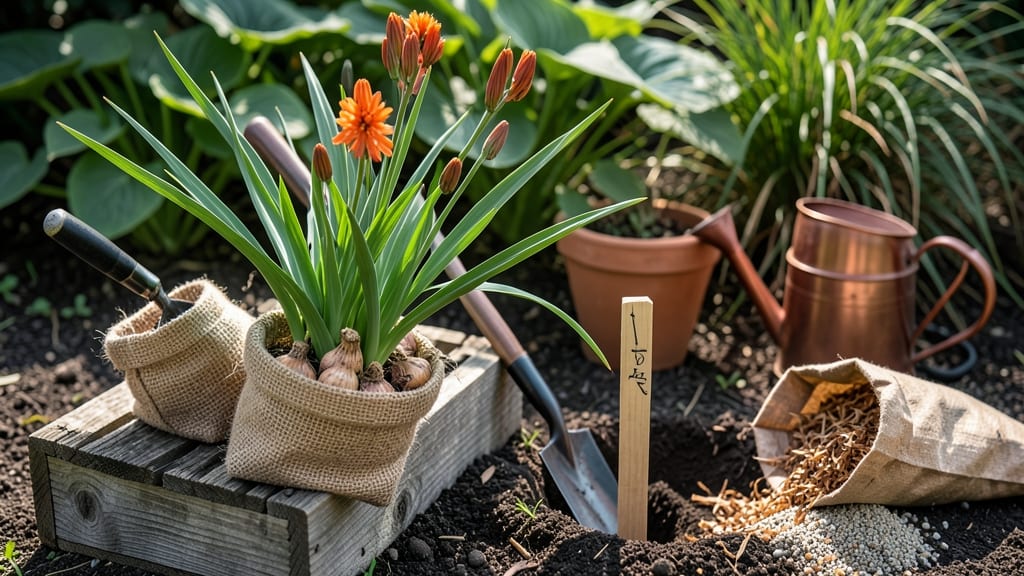
Is it too late to plant Crocosmia bulbs late in the season? You’ve still got a chance at stunning blooms—but timing and preparation are everything.
You’ve got those bulbs in hand, and the garden’s calling—but is it too late to plant them without risking frost or poor growth? The answer depends on where you live and how you prep the soil.
In USDA Zone 6a, for example, late September or early October can still work, but you’ll need to adjust your approach.
Late planting isn’t ideal, but it’s not a dealbreaker either. With the right soil prep, deeper planting, and protective mulch, you can give your Crocosmia a fighting chance.
Below, I’ll walk you through the best late-season strategies, including when to hold off and try alternatives like potting or storing bulbs until spring.
Whether you’re in a rush to get them in the ground or just curious about your options, this guide will help you decide: plant now, tweak your timing, or wait for a better season. Let’s make sure your Crocosmia thrives, no matter when you’re ready to dig in.


Understanding Crocosmia planting zones and late-season viability
Crocosmia, also called Montbretia, thrives when planted during its ideal windows—but what happens if you're late? The answer depends entirely on your USDA zone and how quickly winter arrives. In zones 3-5, frost can arrive as early as October 15, leaving little room for late-season planting.
Meanwhile, gardeners in zones 8-10 often enjoy a longer window until November 15 or later.
Late planting isn't impossible, but it requires strategic adjustments. The key is ensuring dormant bulbs have time to establish roots before the ground freezes. Without this, your Crocosmia may fail to bloom next year—or worse, succumb to frost damage before spring.
Let's break down how to assess your timeline and zone-specific risks.
⚠️ CRITICAL RULE: Crocosmia bulbs need 6-8 weeks of root growth before winter dormancy. If your first frost is 6 weeks away, planting is risky unless you take protective measures.
If you're in zones 3-5, planting after September 15 is high-risk unless you're willing to invest in heavy mulching or frost protection. The deeper you plant the corms (3-4 inches), the better their chances of surviving light frosts.
In zone 6, you have a slightly longer window—up to October 1—but only if your soil stays workable.
For gardeners in zones 7-10, late planting is far more forgiving. In these areas, you can often push planting until November 1 or later, especially if your winters are mild.
However, even here, early frosts can still damage tender new growth. Always check your local frost date averages before committing to late planting.
One common mistake is assuming dormant bulbs can handle frost like established plants. While mature Crocosmia can tolerate 20°F once established, newly planted corms may not survive below 28°F. This is why mulching (especially with straw or leaves) is your best defense against late-season planting failures.
Another factor to consider is soil temperature. Crocosmia corms need soil temps above 50°F to initiate root growth. If your soil is already cooling below this threshold, planting will only delay root establishment. Use a soil thermometer to check before digging—this small step can save you from wasted effort.
If you're on the fence about late planting, ask yourself: Can I commit to 6 weeks of care? Late-season Crocosmia requires consistent watering (even in fall) and proactive frost protection.
Without this, your bulbs may rot in soggy soil or freeze before they establish. For zone 5 gardeners, this often means planting by September 15 at the latest.
Remember, even if your Crocosmia survives the winter, blooming may be delayed by 1-2 years if roots didn’t fully establish. The goal isn’t just survival—it’s setting up your plants for vigorous growth next spring.
That’s why I always recommend early fall planting (late August to early September) as the safest bet for most zones.
How to successfully plant Crocosmia bulbs late: step-by-step adjustments
If you're staring at your Crocosmia bulbs in late fall wondering if it's too late to plant, don't toss them just yet! With the right adjustments, you can still establish healthy roots before winter sets in.
The key lies in deeper planting, protective mulching, and precise watering—all within a 6-week frost-free window. Let's break down how to maximize your success.
Crocosmia bulbs thrive when planted 2-3 inches deep in ideal conditions, but late planting requires extra care. The goal is to give roots enough time to anchor before ground temperatures drop below 40°F (4°C).
In colder zones (USDA 3-5), this window shrinks dramatically—you may only have 3-4 weeks before winter arrives. Warmer zones (6-10) get a longer grace period of up to 6-8 weeks.
Step-by-Step Late Planting Adjustments
-
Step 1: Plant Deeper Than Usual
Increase planting depth to 3-4 inches (vs. 2-3 inches in spring) to protect bulbs from temperature fluctuations. Use a trowel to create holes in well-draining soil mixed with compost for better insulation.
-
Step 2: Space Bulbs 6-8 Inches Apart
Give bulbs extra room to establish roots before winter. Crowding increases competition for nutrients and water, slowing growth. Aim for 6-8 inches between bulbs in rows.
-
Step 3: Apply a Thick Mulch Layer
Cover planted bulbs with 4-6 inches of mulch (straw, shredded leaves, or pine needles) to insulate against frost. Replenish mulch after the first hard freeze for added protection.
-
Step 4: Water Deeply and Infrequently
Water once every 7-10 days until the ground freezes, focusing on deep soakings (1-2 inches of water per session). Avoid wet soil in winter, which can rot bulbs.
-
Step 5: Protect with Frost Blankets
If early frost threatens, drape frost blankets over planted areas. Secure edges with bricks or stakes to prevent wind damage. Remove blankets during the day to allow sunlight.
-
Step 6: Monitor for Heaving
Freeze-thaw cycles can push bulbs out of soil (heaving). Gently press bulbs back into place and add mulch if you notice them exposed.
-
Step 7: Mark Planting Locations
Use biodegradable markers to track where bulbs were planted. This prevents accidental disturbance when spring arrives and helps plan next year’s layout.
Timing is everything when planting Crocosmia bulbs late. Aim to finish planting at least 6 weeks before your first frost date. For example, in USDA Zone 6 (like mine), that means wrapping up by early October.
If you're in Zone 8, you might push it to mid-November—but always check your local frost calendar!
One common mistake is assuming all Crocosmia varieties handle late planting the same way. 'Emily McKenzie' and 'George Davison', for instance, are more cold-hardy and tolerate late fall planting better than 'Lucifer', which needs earlier establishment. Always check your specific variety’s USDA zone rating for tailored advice.
With these adjustments, your late-planted Crocosmia bulbs can still produce stunning summer blooms next year. The secret? Patience and preparation—giving roots time to settle before winter’s chill sets in. Happy planting! 🌸