
Propagation
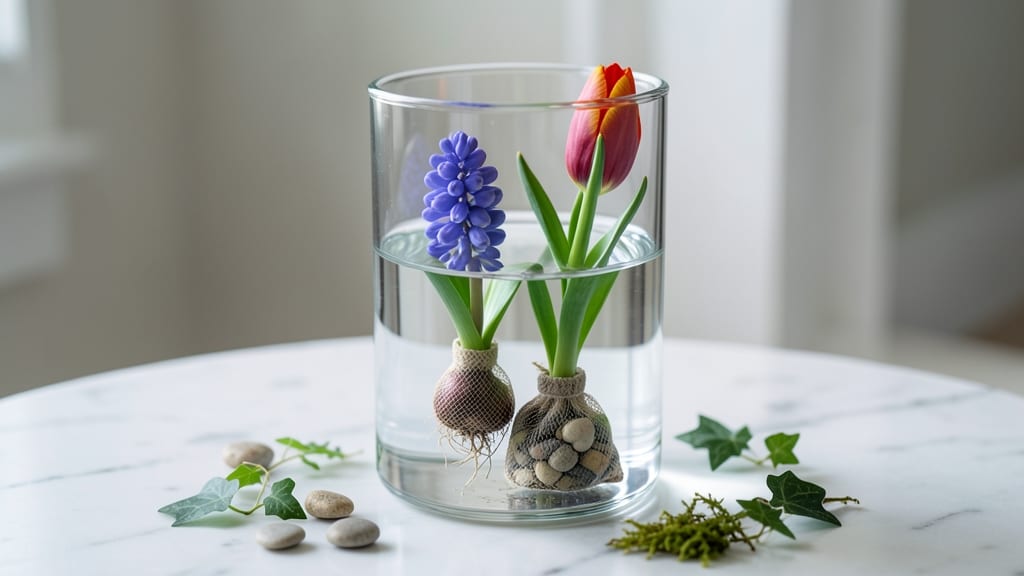
Growing bulbs in water vases turns your kitchen table into a springtime showstopper—no dirt, no mess, just stunning blooms in weeks. 🌸 I’ve watched daffodils and hyacinths push through water like magic, their first leaves appearing within days of planting. The secret?
Picking the right bulbs and keeping the water fresh without drowning them. You’ll need just three things: a clear vase (glass or plastic), fresh water, and a handful of pre-chilled bulbs like tulips, daffodils, or paperwhites.
The vase size matters—too big, and the water stagnates; too small, and the bulbs topple. Aim for a 6- to 8-inch container with a narrow neck to hold the bulbs upright. Once planted, place your vase in bright, indirect light (a sunny windowsill works best).
Change the water every 3-5 days to prevent rot—bulbs hate soggy bottoms. Within 4-6 weeks, you’ll see stems reaching for the sky, followed by blooms that last for days in a vase. This method works for any indoor space, from tiny apartments to bright sunrooms.
Just avoid direct sunlight (it overheats the water) and drafts (they stress the bulbs). Ready to grow? Let’s get those bulbs blooming!
📚 In This Guide
- What you need
- Instructions
- Tips and common mistakes
- Wrapping up and next steps
What you need
- ● Bulbs: Choose from dahlias, hyacinths, anemones, or calla lilies (1–3 bulbs per vase, depending on size). Opt for fresh, firm bulbs (no soft spots or mold).
- ● Clear glass vase or jar: At least 6–8 inches tall (taller for larger bulbs like dahlias). Mason jars, apothecary bottles, or decorative vases work perfectly.
- ● Fresh, filtered water: Room-temperature (not tap water if heavily chlorinated—let it sit out for 24 hours).
- ● Scissors or pruning shears: For trimming stems to 1–2 inches above the bulb base.
- ○ Optional food coloring or floral preservatives: A few drops of natural dye (like beet juice) or a water-soluble bulb food (e.g., Floralife) to extend bloom time.
- ● Pebbles or marbles: 1–2 inches of sterilized pebbles at the vase’s base to weigh down bulbs and prevent tipping.
- ● LED grow lights: A 12–14 hour daily light source (if natural light is <12 hours/day) to boost growth.
- ● Decorative elements: Ribbons, twine, or painted designs to personalize your vase.
- ● Spare bulbs: Test different varieties—some (like hyacinths) thrive in water, while others (e.g., tulips) may rot.
Step-by-step instructions for growing bulbs in water vases
Watch as vibrant blooms emerge from simple water vases—no soil, no mess, just stunning results.
🪴 Step 1: Choose the Right Bulbs and Vase
Select spring-flowering bulbs like hyacinths, daffodils, or tulips—these thrive in water. Avoid summer bulbs like dahlias, which rot without soil. Place the vase on a flat surface near a bright, indirect light source (like an east-facing window). A clear glass vase lets you monitor water levels, while a narrow-necked vase prevents bulbs from tipping over.
For each vase, choose one bulb per 2-3 inches of vase diameter—crowding weakens roots. I like to pick bulbs with firm, dry bottoms (no soft spots) and smooth, unblemished skins. Skip any that feel mushy or smell funky—those won’t last. A single large bulb in a 6-inch vase gives the best impact, while smaller bulbs work in 4-inch vases.
💧 Step 2: Prepare the Bulbs and Water
Fill the vase with room-temperature water until the bottom half of the bulb is submerged—never fully submerged, or it’ll rot. Use distilled or filtered water if your tap water has chlorine or fluoride, which can harm roots. I add a pinch of sugar (½ teaspoon per quart) to encourage root growth, but it’s optional.
Place the bulb in the vase so its pointed end faces upward—this is where the shoot will emerge. If you’re unsure, the heavier, rounded base should sit at the bottom. Leave the vase in a spot with 60-65°F temperatures (like a kitchen counter) until roots appear, which usually takes 1-2 weeks. Watch for white, fuzzy roots—that’s your sign it’s working!
☀️ Step 3: Provide Light and Monitor Growth
Once roots reach 1-2 inches long, move the vase to a bright, indirect light spot (like a north or east window). Direct sun can overheat the water and stress the bulb. You’ll see the first green shoot emerge in 2-4 weeks, followed by leaves unfurling—this means blooms are on their way!
Change the water every 3-5 days to prevent bacterial growth. Use a clean vase each time—old water leaves behind algae and bacteria that can kill the bulb. If the water gets cloudy or smells off, refresh it immediately. You’ll know you’re on track when the leaves turn deep green and the stem elongates toward the light.
⏰ Step 4: Encourage Blooming and Extend Display
The moment the bud swells and colors up, move the vase to a cooler spot (55-60°F) to slow growth and preserve blooms longer. A shady bathroom or garage shelf works well. Avoid drafts—bulbs hate sudden temperature swings. With care, your hyacinth will bloom in 6-8 weeks, while tulips and daffodils take 8-10 weeks.
Once blooms fade, don’t toss the vase! Let the leaves yellow naturally (another 4-6 weeks)—this lets the bulb store energy for next year. If you want to replant, plant the bulb in soil after leaves die back. For a second display, cut stems at the base and place in fresh water—some bulbs (like hyacinths) will rebloom with proper care!
Tips & tricks for zero-soil water vase blooms
Here's what nobody tells you about growing vibrant flowers without soil—these tricks make all the difference.
Bulb Selection Matters: Don't just grab any bulb from the store. Look for firm, dry bottoms with smooth skins—these are your best bet for success. I've found that hyacinths are the most reliable for beginners because they're less prone to rot in water. For a dramatic display, choose bulbs with a diameter of at least 2 inches, as they'll produce larger blooms. The key is to avoid any bulbs with soft spots or a musty smell, as these signs indicate they're already compromised.
Water Quality is Critical: While room-temperature water is essential, the type matters just as much. Tap water with chlorine or fluoride can harm delicate roots, so use distilled or filtered water whenever possible. I've noticed that adding a pinch of sugar (½ teaspoon per quart) helps encourage root growth, though it's completely optional. The water level should always cover the bottom half of the bulb—never fully submerge it, as this will cause rotting. Change the water every 3-5 days to prevent bacterial buildup, which can turn cloudy and smelly.
Light Management is Everything: Once roots appear (after 1-2 weeks), move your vase to bright, indirect light immediately. Direct sunlight can overheat the water and stress the bulb, while too little light will result in weak, leggy growth. I've had the most success with north or east-facing windows, where the light is gentle but consistent. Watch for the first green shoot to emerge in 2-4 weeks—this is your signal that the bulb is actively growing. If you notice the leaves turning pale or the stem stretching too tall, it's a sign the bulb needs more light.
Temperature Control for Blooms: The moment your bud begins to swell and show color, it's time to move your vase to a cooler spot (55-60°F). This slows growth and helps preserve the blooms longer. I've found that shady bathrooms or garage shelves work perfectly for this stage. Avoid drafts at all costs—bulbs hate sudden temperature swings, which can cause buds to drop prematurely. With proper care, hyacinths will bloom in 6-8 weeks, while tulips and daffodils typically take 8-10 weeks to reach their full glory.
Pro Tips for Growing Bulbs In Water Vases
- Here's what nobody tells you about growing vibrant flowers without soil—these tricks make all the difference.
- Bulb Selection Matters: Don't just grab any bulb from the store.
- Water Quality is Critical: While room-temperature water is essential, the type matters just as much.
Frequently asked questions
Can I use any vase or container for water-growing bulbs?
Most clear glass containers work best—think mason jars, vases, or even repurposed bottles—but avoid metal or opaque materials. The key is visibility (to monitor roots) and breathability. If your container lacks drainage, ensure it’s wide-mouthed to prevent overwatering. A small pebble or mesh base can help stabilize bulbs and improve airflow!
How long does it take for bulbs to bloom in water?
Timing varies by bulb type! Hyacinths and tulips typically bloom in 4–6 weeks, while daffodils may take 6–8 weeks. Keep bulbs in bright, indirect light and change the water weekly. Patience pays off—some varieties (like paperwhites) may even flower faster in water than in soil!
Why are my bulb’s leaves turning yellow or mushy?
Yellowing leaves often signal overwatering or poor drainage. Let the water sit at room temp (not cold) and change it every 3–5 days to prevent bacteria. Mushy bulbs? They’re rotting—remove them immediately. Ensure bulbs aren’t submerged (only the base should touch water) and trim yellow leaves to redirect energy to roots.
Can I reuse bulbs after they’ve bloomed in water?
Unfortunately, most water-grown bulbs (like tulips) won’t rebloom—they expend energy too quickly. However, some perennial bulbs (e.g., daffodils or hyacinths) might survive if replanted in soil after flowering. For repeat blooms, opt for paperwhites or amaryllis, which are hardier in water cycles.
What’s the best water to use—tap, distilled, or rainwater?
Tap water is fine, but if it’s heavily chlorinated, let it sit out 24 hours first. Avoid distilled water (lacks minerals) or salty/soft water, which can stress bulbs. Rainwater is ideal, but tap water works—just change it regularly to prevent algae. Pro tip: Add a pinch of sugar (1 tsp per gallon) to boost root growth!
Wrapping up and next steps
Growing bulbs in water vases is a simple, rewarding way to bring life and color to your space—no soil or green thumb required! 🌱 With just a few supplies and a little patience, you’ll enjoy stunning blooms in weeks, making it perfect for beginners or busy gardeners. Why not start with a single bulb today?
Ready to take the next step? Try experimenting with different bulbs like hyacinths, daffodils, or tulips to see which thrive best in your home. Once you’ve mastered the basics, explore creative arrangements or even combine bulbs for a layered, long-lasting display. Happy growing!