
How To
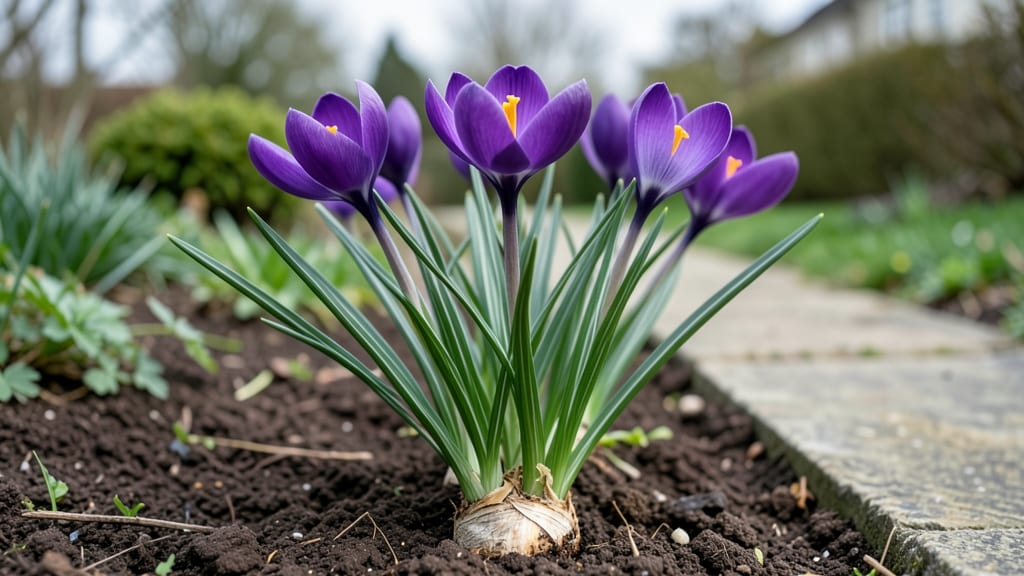
Planting crocus bulbs how deep to plant crocus bulbs at the right depth—typically 3 to 6 inches—sets the stage for vibrant spring blooms that pop up like clockwork.
Too shallow, and you’ll wait years for those cheerful purple or yellow 🌷 faces to emerge. Too deep, and they’ll struggle to push through the soil, leaving you staring at bare ground in March. The secret? A simple rule that works every time—just follow the 3x bulb height guideline.
Whether you’re prepping a sunny border or a shady woodland edge, getting the depth right means fewer missed blooms and more of those early spring surprises. Below, I’ll walk you through the exact steps, plus how to adjust for your soil type and climate.
Ready to plant with confidence? You’ll learn how to measure, where to place each bulb, and the one trick that guarantees faster sprouts—no guesswork required.


The ideal crocus bulb planting depth for perfect bloom timing
Getting the crocus bulb planting depth right is the secret to those cheerful purple, white, or yellow blooms popping up right when you need them most. These hardy perennials thrive when planted at the perfect depth—too shallow, and they’ll rot; too deep, and they’ll struggle to bloom.
The 3x bulb height rule is your golden standard, but let’s break down exactly why this works and how to apply it in your garden.
Crocus bulbs store energy in their rounded bottoms, which need to sit at least 3 times their height below the soil surface. For most crocus varieties—typically 1-2 inches tall—this means planting them 3-6 inches deep.
This depth protects the bulb from freezing temperatures while allowing the stem to push through easily when spring arrives. Think of it like tucking a cozy blanket around your bulb’s roots while leaving the top uncovered for growth.
| Bulb Type | Height (in) | Ideal Depth (in) | Bloom Time | Soil Prep Tip |
|---|---|---|---|---|
| Standard Crocus | 1-2 | 3-6 | Early spring | Mix in sand for drainage |
| Giant Crocus | 2-3 | 4-8 | Late winter | Add compost for nutrients |
| Spring Beauty | 1 | 2-3 | Mid-spring | Loosen soil gently |
| Autumn Crocus | 1.5-2.5 | 3-5 | Fall | Plant in well-draining spots |
The 3x rule ensures the bulb’s base sits low enough to survive winter’s chill while leaving enough soil above to prevent rot. For example, a 1.5-inch-tall crocus bulb should go 4.5 inches deep.
Use your finger to gauge depth—press the bulb into the soil until only the pointy top (where the stem emerges) peeks above. This orientation is critical because crocus stems grow upward from the bulb’s top, not the sides.
Seasonal timing also plays a role in depth adjustments. In cold climates (Zones 3-5), plant bulbs slightly deeper—up to 6 inches—to shield them from freezing. In milder zones (6-8), a 3-inch depth often suffices.
The key is balancing protection with growth potential: deeper in harsh winters, shallower in warmer areas where bulbs need to sprout earlier. Always plant after the first frost but before the ground freezes solid.
Soil type affects depth too. In sandy soil, which drains quickly, you can plant slightly shallower (3 inches) since the bulb won’t risk sitting in soggy conditions. In clay soil, add 1-2 inches extra depth to prevent waterlogging.
Amend heavy soils with compost or perlite to improve drainage—this helps the bulb breathe and reduces rot risk. Think of it like giving your crocus a cozy, well-ventilated nest.
Pro tip: Use a bulb planter or trowel to create holes just the right size. Press the soil gently around the bulb to eliminate air pockets, then water thoroughly. This settles the soil and kickstarts root growth.
Avoid overwatering afterward—crocus bulbs are drought-tolerant once established, and soggy soil is their enemy. A weekly deep watering in fall and spring is plenty to keep them happy.
Depth also impacts bloom timing. Shallowly planted bulbs may sprout earlier but produce weaker stems, while deeply buried ones might delay blooming by 1-2 weeks. Aim for consistency: if you’re planting a mixed crocus border, use the same depth for all varieties to ensure uniform blooming.
This creates a stunning, synchronized display that’s pure garden magic. For example, plant early-blooming varieties like Crocus tommasinianus at 4 inches deep and late-bloomers like Crocus vernus at 5 inches deep.
Finally, remember that bloom longevity depends on depth too. Bulbs planted too shallowly may produce fewer flowers over time, while those at the ideal depth often rebloom for years. I’ve seen
Common mistakes that ruin crocus planting depth (and how to fix them)
Even experienced gardeners sometimes struggle with crocus bulb depth. Planting too shallow can leave bulbs exposed to freezing temperatures, while burying them too deep delays blooms or prevents them entirely. The key is understanding how soil type and climate affect your planting strategy.
Most gardeners assume a one-size-fits-all depth works for crocuses, but soil composition plays a huge role. Sandy soils require deeper planting to retain moisture, while clay-heavy soils need shallower depths to prevent rot. Let’s break down the most common mistakes and how to correct them.
⚠️ callout warning ⚠️
⚠️ Wrong Depth = No Blooms
Too shallow: Bulbs freeze in winter or dry out in summer. Fix: Dig 3x bulb height (typically 4-6 inches).
Too deep: Blooms take years to emerge or never appear. Fix: Never exceed 6 inches for standard crocus varieties.
💡 Pro Tip: Use a ruler to measure depth—consistency is key!
One of the biggest mistakes is planting crocuses in heavy clay soil without amending it first. Clay holds too much moisture, causing bulbs to rot before they can establish roots. If your soil is dense, mix in organic matter like compost or perlite to improve drainage before planting.
Another common error is ignoring bulb orientation. Crocus bulbs have a pointed end that should face upward. Planting them upside-down won’t kill the bulb, but it can delay blooming by a full season. Take 30 seconds to orient each bulb correctly—your spring display will thank you!
If your crocuses fail to bloom after planting, check for overcrowding. Bulbs need 3-4 inches of space between them to grow properly. Overpacking forces competition for nutrients, stunting flower production. Thin out crowded areas in early fall for better results next spring.
For gardeners in warmer climates, shallow planting can actually help. In zones 8-10, crocuses benefit from slightly shallower depths (3-4 inches) to avoid summer heat stress. Always adjust based on your local frost dates and soil conditions.
Remember, the ideal planting depth for crocuses is 3-6 inches, but the real secret is consistency. Use a stick or trowel to mark your depth, and always plant at the same level. With the right depth and soil prep, you’ll enjoy vibrant crocus blooms year after year! 🌷