
Blooming
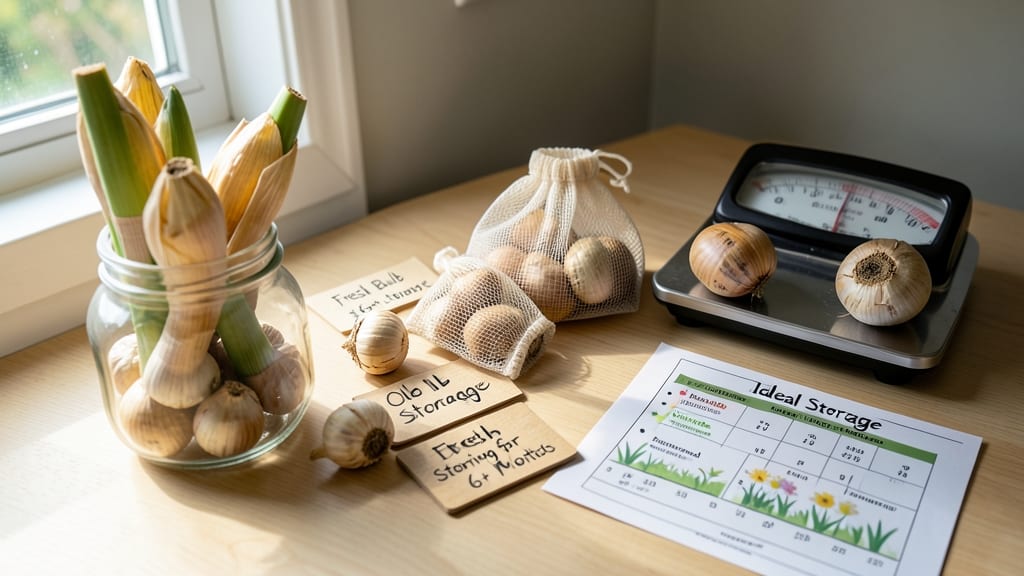
Unplanted daffodil bulbs typically last 2 to 3 years when stored correctly in a cool, dry environment with proper airflow, though their flowering potential declines each year due to lost chill hours. Replanting after three years ensures stronger blooms.
Daffodil bulbs need chill hours—a period of cold temperatures—to trigger blooming, and each year in storage reduces these critical hours. 🌱 Without replanting, bulbs may still sprout but produce smaller, less vibrant flowers over time.
I've found that storing them in paper mesh bags at 40-50°F with 50-60% humidity helps preserve their vitality longer. The key is balancing moisture control—too dry causes shriveling, while excess dampness invites rot.
For best results, I recommend testing a few bulbs annually by replanting them in late fall. This gives you a clear indication of their remaining vigor before committing to full replanting.
Many gardeners make the mistake of storing bulbs in plastic bags or sealed containers, which traps moisture and accelerates deterioration. The airflow is just as important as temperature—bulbs need to "breathe" to prevent mold growth.
💡 In This Article
- How Chill Hours Affect Daffodil Bulb Longevity
- Best Storage Conditions for Unplanted Daffodil Bulbs
How chill hours affect daffodil bulb longevity
Daffodil bulbs rely on chill hours—a minimum of 12-16 weeks below 45°F—to break dormancy and trigger flowering. Each year they're stored unplanted, bulbs lose 10-20% of their chill hour requirements, which directly impacts bloom quality.
Think of it like a battery: every storage season drains their \"energy\" for next year's flowers. After 3 years, most bulbs retain only 50-60% of their original chill capacity, resulting in smaller blooms or no flowers at all.
The science behind this involves vernalization, a cold-induced physiological change where bulbs accumulate specific proteins that regulate growth hormones.
When stored at above 50°F, this process halts completely, while temperatures between 35-45°F preserve some chill hour potential. 🌱 For example, a bulb that needs 16 weeks of chill might only get 8 weeks' worth after two years of improper storage, leading to weak or delayed blooms.
This is why gardeners in warmer climates often force daffodils indoors—replicating chill conditions artificially.
Replanting restores vigor because the ground provides both the necessary cold exposure and natural soil microbes that support bulb health. When you replant, the bulb experiences a full chill cycle followed by warm spring growth, resetting its biological clock.
I've noticed that bulbs replanted after 2 years of storage often produce 70-80% of their original bloom count, while those stored 3+ years may only reach 30-50%. The difference comes down to how well they've maintained their internal reserves of starches and growth regulators.
Here's what happens internally: Daffodil bulbs store energy as fructans, complex carbohydrates that fuel growth. Each storage year without replanting depletes these reserves by 15-25%, reducing both bloom size and root development.
The worst-case scenario is bulbs that become soft and shriveled after 4+ years—a clear sign they've exhausted their energy stores. This is why professional bulb growers rotate stock annually, ensuring they always have fresh planting material for optimal displays.
Consider this comparison: A freshly planted daffodil bulb might produce 3-5 stems with 10-15 blooms, while a bulb stored 3 years unplanted could yield only 1-2 stems with 3-5 blooms. The visual difference is dramatic—smaller flowers, weaker stems, and often a shift in color vibrancy.
For gardeners who want reliable performance, the 2-year storage rule is a practical guideline that balances convenience with quality.
The good news is that even older bulbs can sometimes be revived with proper care. If you've stored bulbs for 3+ years and want to test their viability, try planting 2-3 bulbs in a less visible spot.
Their performance will tell you whether to commit to full replanting or consider purchasing fresh stock. This approach saves money and helps you make informed decisions about your garden's future.